

Inca stonework is famous, but the Incas’ real power lay in water. For a civilization that lived on steep mountains and depended on farming, controlling water (yaku, in Quechua) was both a technical feat and a sacred act.
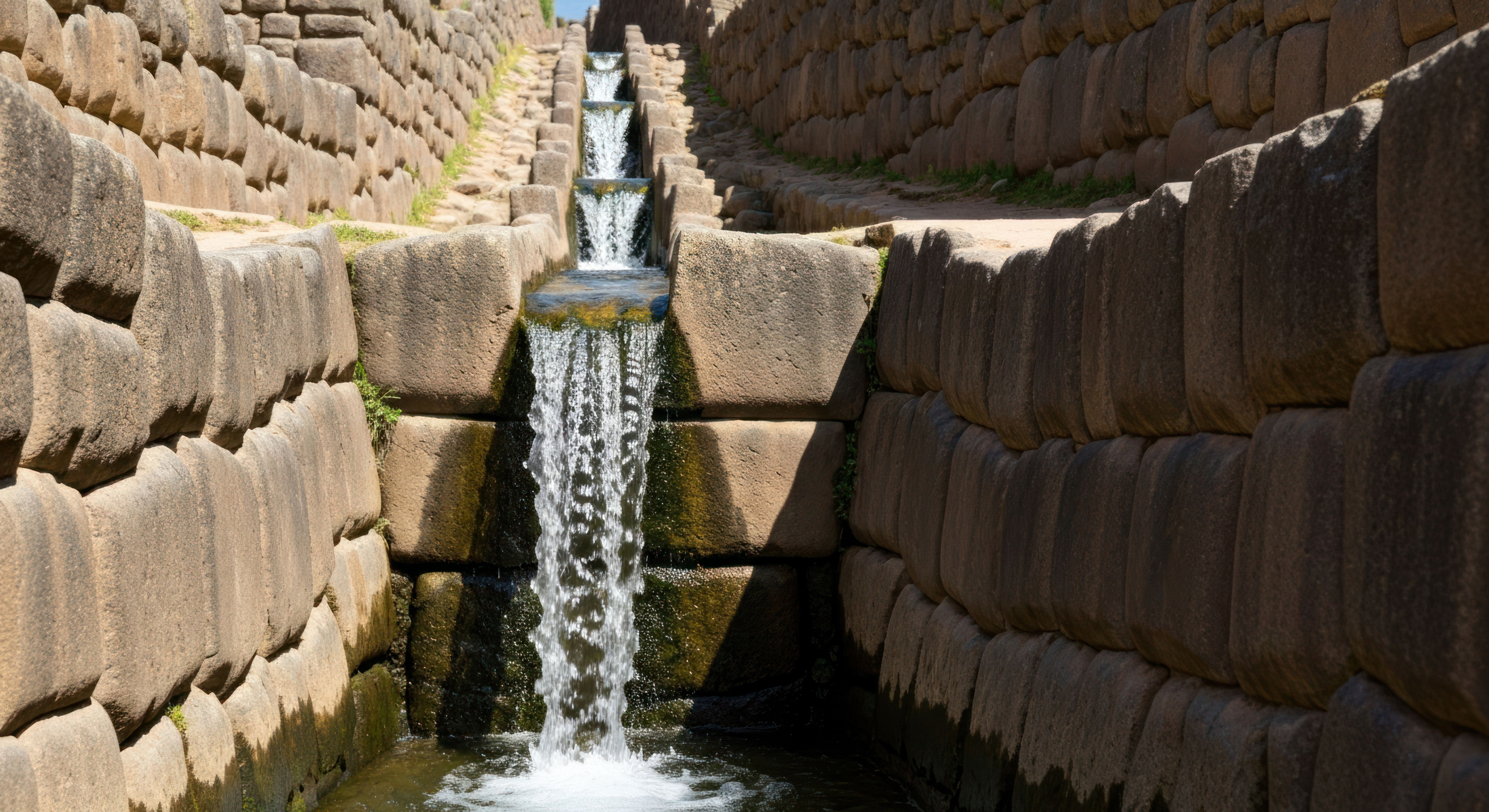
If you want to see Inca mastery beyond the stonemasonry, this Tari Tours guide shows you the water systems that still work in Cusco and the Sacred Valley.
1. Tipón: the temple of water
In the South Valley, Tipón is a site devoted to water and to farming experiments.
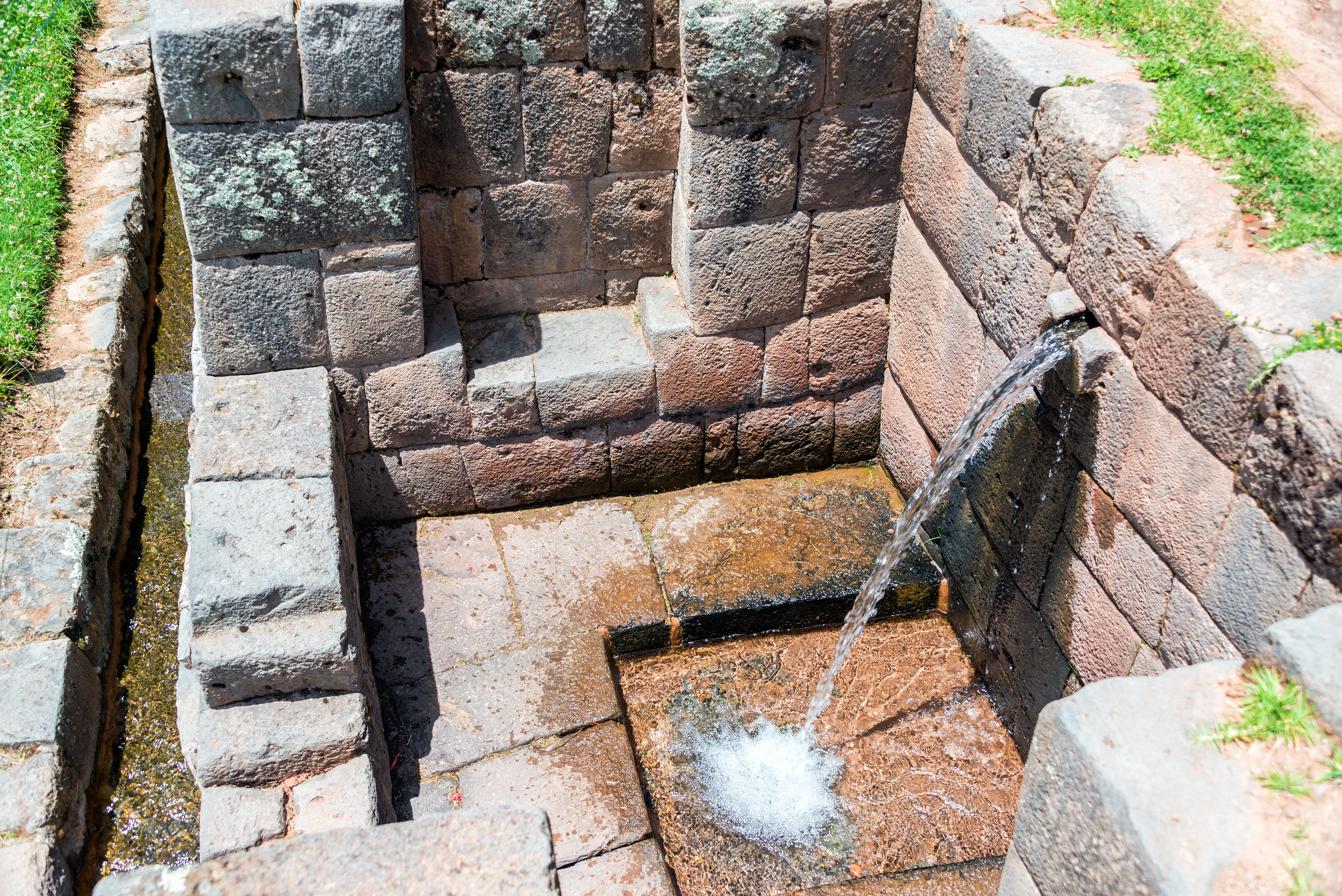
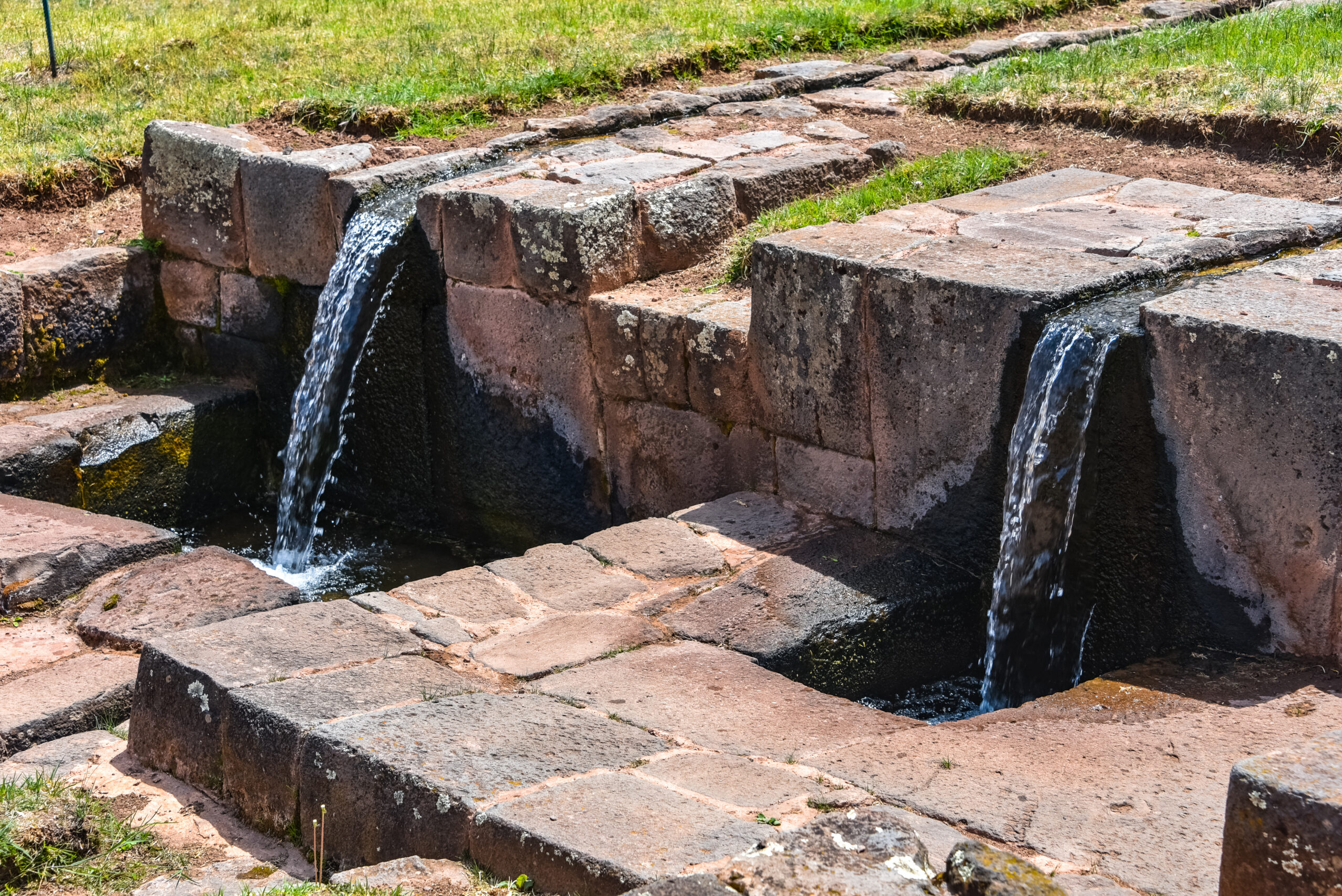
- The fountain. The heart of Tipón is a ceremonial fountain that has flowed nonstop for more than 500 years. It was carved from a single piece of stone and shows remarkable precision in controlling water pressure.
- Waterfalls and channels. The complex is made up of terraces (andenes) watered by a network of channels and small falls carved into the stone. The most curious part: water reaches each level with exactly the right pressure and flow, thanks to the Incas’ hydraulic calculations.
- Meaning. Tipón is believed to have been a center of water worship and a testing ground for improving crops before taking them to the rest of the empire.
2. Ollantaytambo: distribution and defense
At Ollantaytambo, the fortress that held out against the Spanish, water was a tool for both survival and strategy.
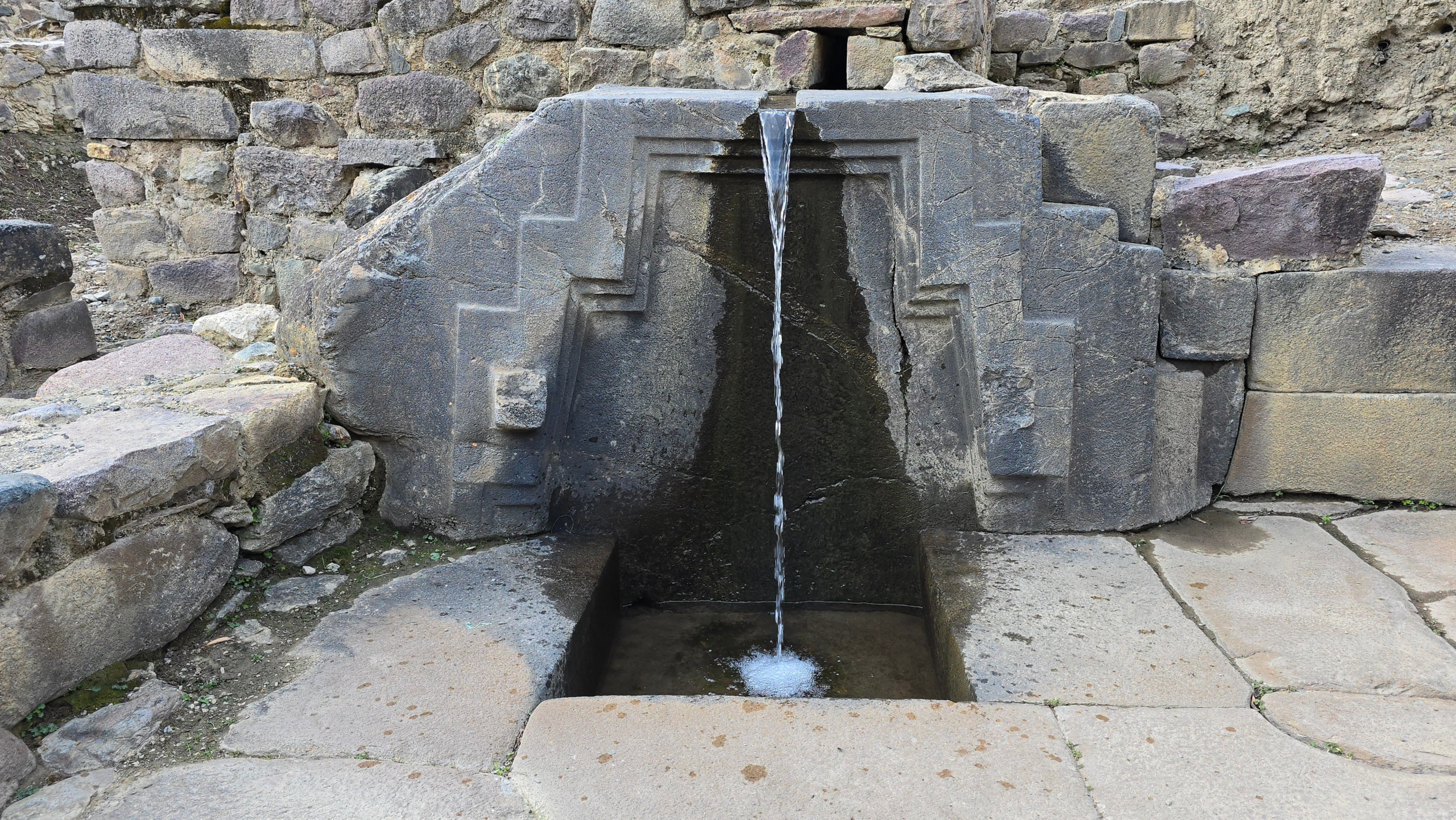
- Town channels. The town of Ollantaytambo, at the foot of the fortress, is a living museum. Its narrow streets still keep the original Inca stone channels, which carry fresh spring water to the whole community.
- Siege strategy. Hydraulic engineering was decisive in the Battle of Ollantaytambo. Manco Inca opened the channels and flooded the Urubamba River valley, which neutralized Hernando Pizarro’s cavalry and forced the Spanish to retreat.
3. Machu Picchu: perfect drainage
Even at the most famous citadel, water engineering is the secret to its longevity.
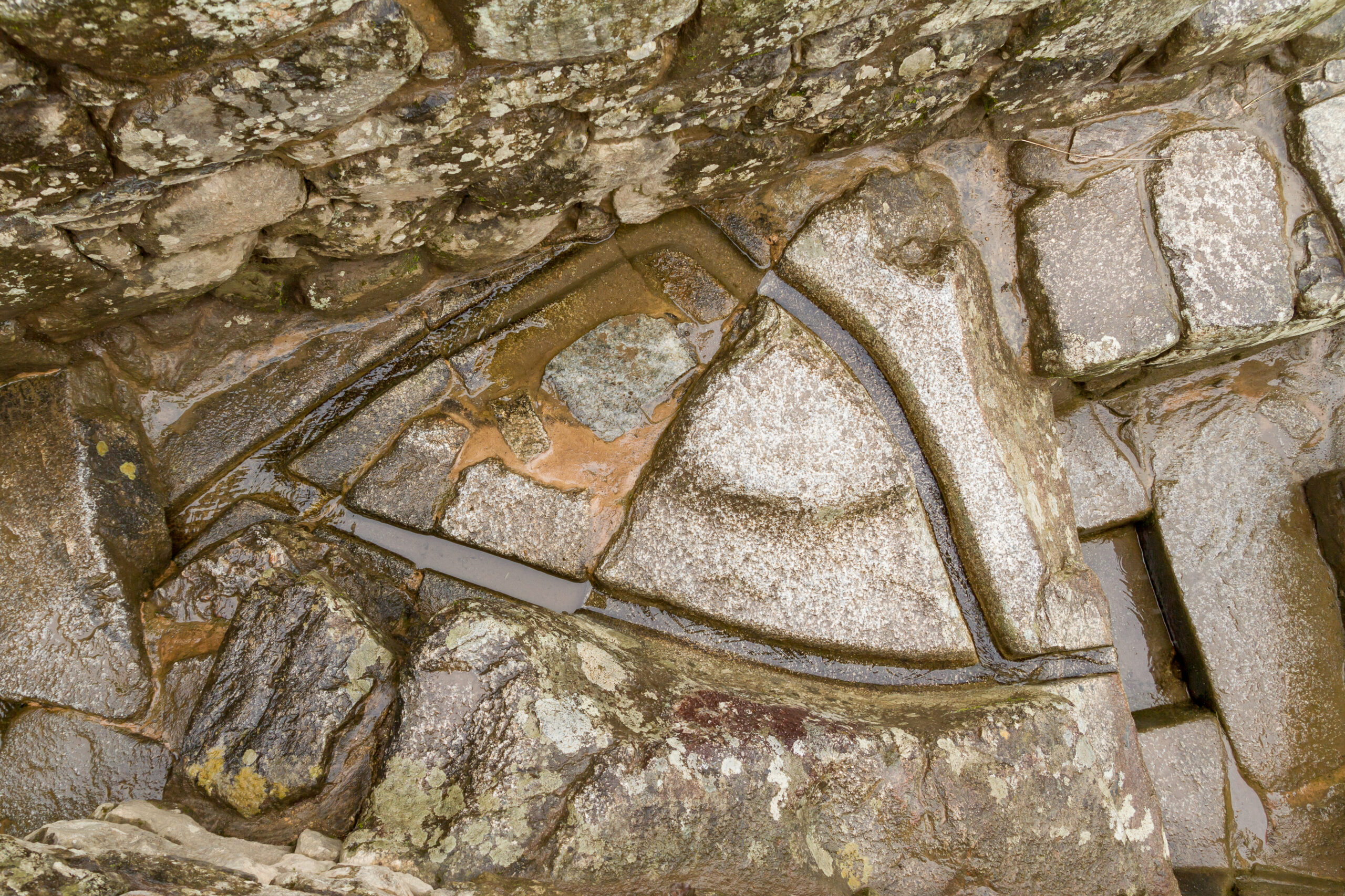
- Drainage system. Machu Picchu remains stable, even in a very rainy region, thanks to its drainage. The Incas built more than 160 drains throughout the city so rainwater wouldn’t erode the mountain.
- Functional architecture. Channels and drains were built into the stonework with an eye for beauty: for the Incas, function and beauty went together.
What to look for on your visit
When you visit these ruins, don’t just look at the stones. Notice the network of channels, fountains and drains. You’ll see a civilization that understood that mastering the mountain meant mastering water.
Want to see the Inca water channels up close?
We’re a local agency in Cusco, registered with MINCETUR since 2003, with English-speaking guides. On our South Valley and Sacred Valley tours, your guide shows you the precision of the Inca channels that still flow today.