
The challenge of a high-altitude trek like the Salkantay Trek or the Inca Trail isn’t only physical: it’s also about food. What you eat before you hit the trail and what you carry in your backpack can make the difference between a great day and an exhausting one.
In the Andes, food is medicine and fuel. Here is the Tari Tours guide to fueling your adventure with the right food.
1. Loading up: the days before the trek
Your acclimatization days in Cusco are your chance to fill the tank.
Focus on complex carbs
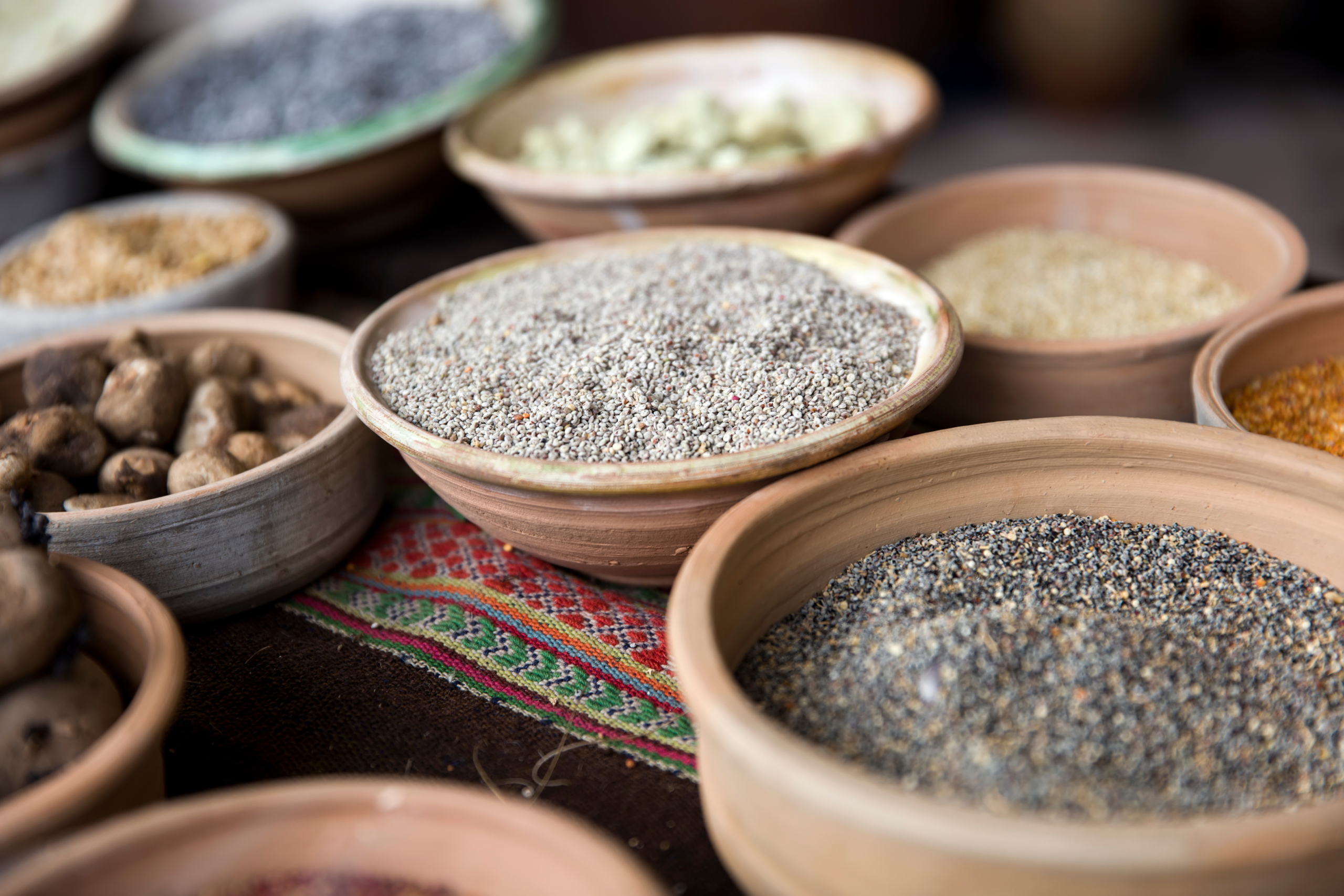
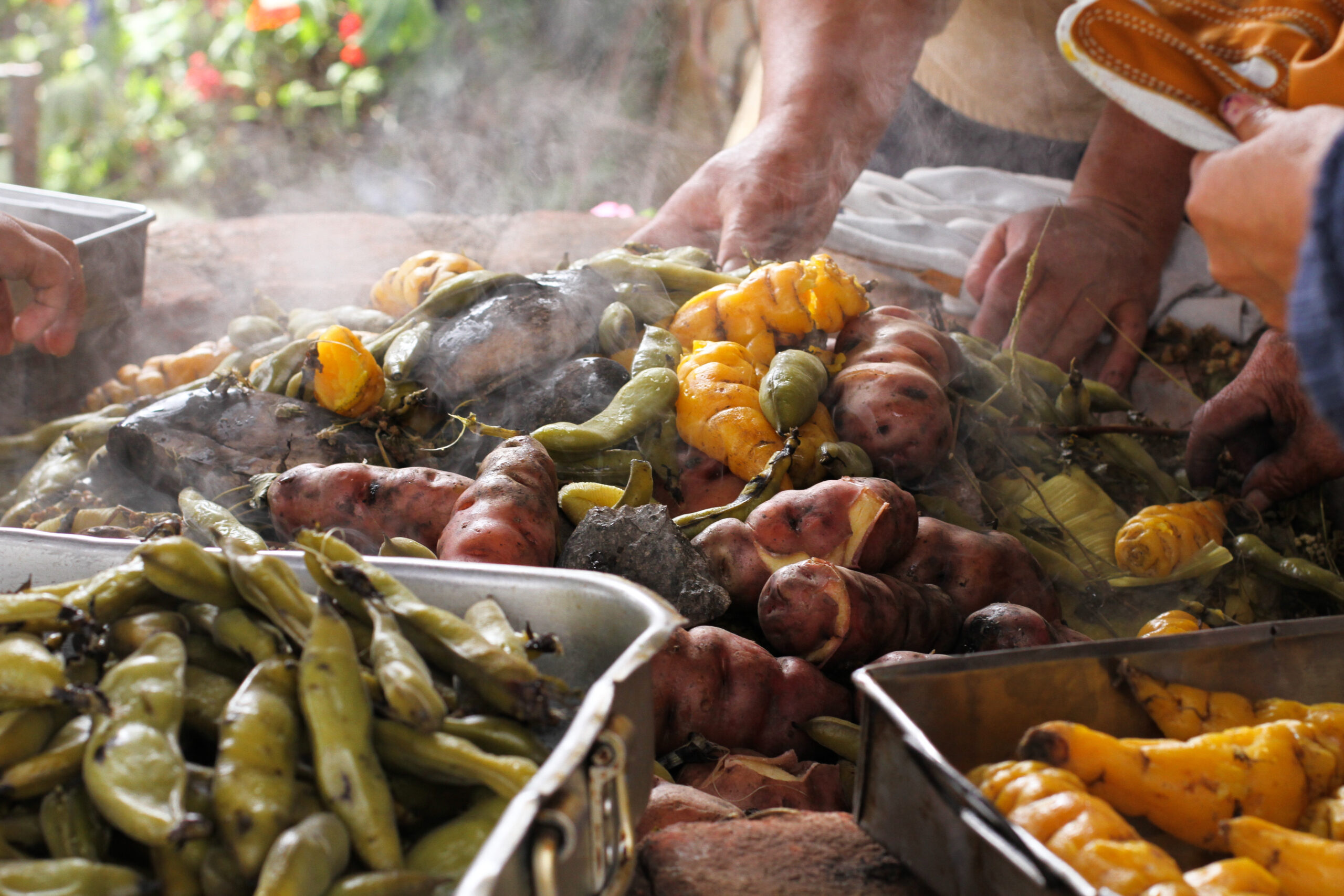
Your body needs slow-release energy. Eat Andean potatoes, quinoa, sweet potatoes and rice: these complex carbohydrates are the base of your energy at altitude.
Stay hydrated and avoid fat
- What to avoid. Heavy, greasy meals and alcohol. Digestion slows down at altitude, and a heavy meal can make the symptoms of altitude sickness (soroche) worse.
- What to drink. Plenty of water and herbal teas (especially coca tea) to stay hydrated.
2. Fuel: during the trek
While you hike, the key is to carry food that’s easy to pack and full of energy.
- Breakfast (the base). A good Andean breakfast includes bread, eggs, cereal and tea. If the agency offers oatmeal or quinoa, even better.
- Quick-energy snacks. You need glucose right away. Bring dried fruit (raisins, dried apricots), energy bars and, above all, chocolate or coca candies. Sugar gives you fast energy for the hard climbs.
- Lunch (the recharge). Lunch should be balanced: carbs, fresh vegetables and a lean protein. On the trail, it’s usually a hot soup followed by a main course, designed to replace the calories you’ve burned.
- The porters’ diet. Notice what the porters and guides eat. The base is quinoa, potatoes and rice, the perfect combination for endurance in the mountains.
Never start hiking on an empty stomach: breakfast is what carries you through the first climbs of the day.
3. Recovery: after the trek
Once the day’s hike is over, protein is your best ally for muscle recovery.
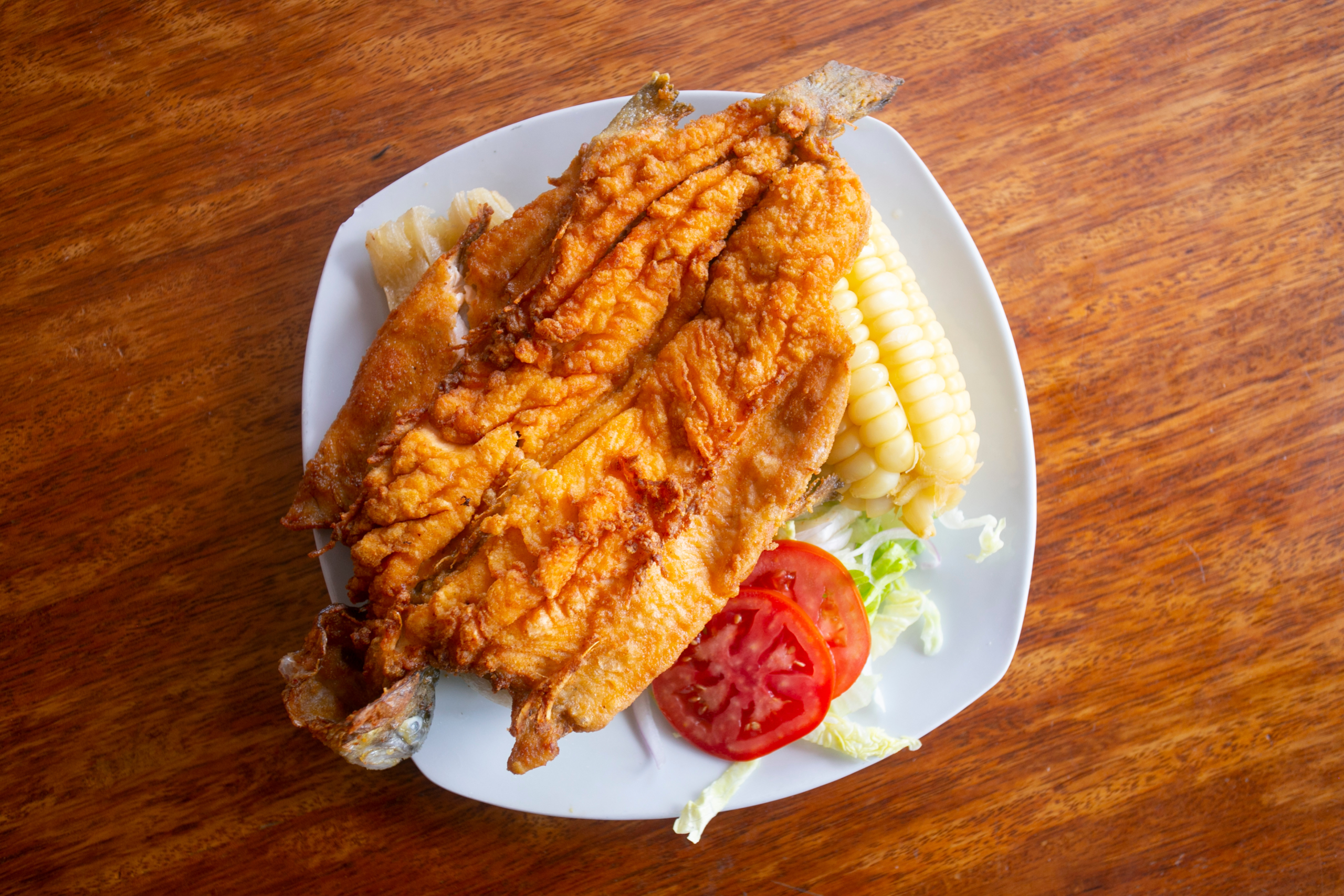
- Protein for your muscles. Chicken, trout (a local fish) and legumes (like lentils and beans) help repair muscle tissue.
- Replacing minerals. Broths and soups. A hot soup when you reach camp replaces the fluids, salts and minerals you’ve lost. The famous chicken broth (caldo de gallina) is the local recovery remedy.
- A touch of comfort. If your itinerary includes hot springs, like Cocalmayo or Lares, take the chance to relax tired muscles.
Energy for your adventure
A good trip doesn’t depend only on the best gear: it depends on giving your body the fuel it needs to handle 4,600 meters (15,090 ft) of altitude.
Going on a trek in Cusco?
We’re a local agency in Cusco, registered with MINCETUR since 2003, with English-speaking guides. On our treks, the camp menu is designed for altitude, so you have energy at every stage.