
On March 22, the world celebrates World Water Day. For 2026, the UN chose the theme “Water and Gender” as a reminder that access to water, its protection and its management are not neutral: there are voices, hands and knowledge that have carried this responsibility for centuries.
In the Andes of Cusco, those voices have names and faces. They are the women of the high Andean communities who, generation after generation, keep the secrets of the water that flows down from the glaciers, fills the sacred lakes and makes life possible in one of the highest regions in the world.
Here we tell that story. And we show you how you can be part of it.
The Apus: when mountains are gods of water
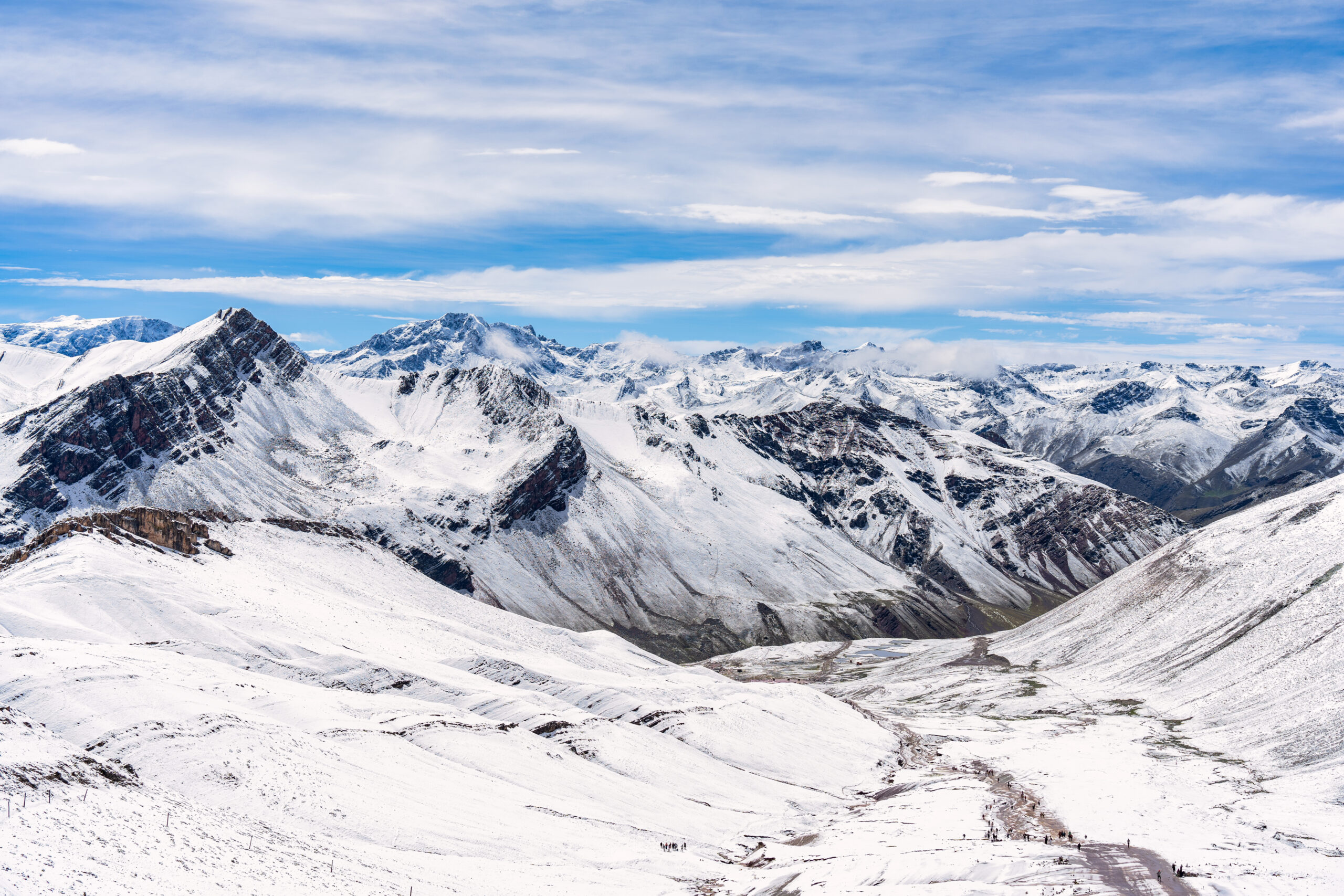
In the Andean worldview, mountains are not just landforms. They are the Apus: protective spirits that watch over communities, regulate the weather and, above all, guard the water.
Salkantay, Ausangate, Humantay… Each of these snowcapped mountains is seen as a living being, a guardian. Their glaciers feed the rivers and lakes that support farming, herding and the daily life of thousands of families in the Cusco region.
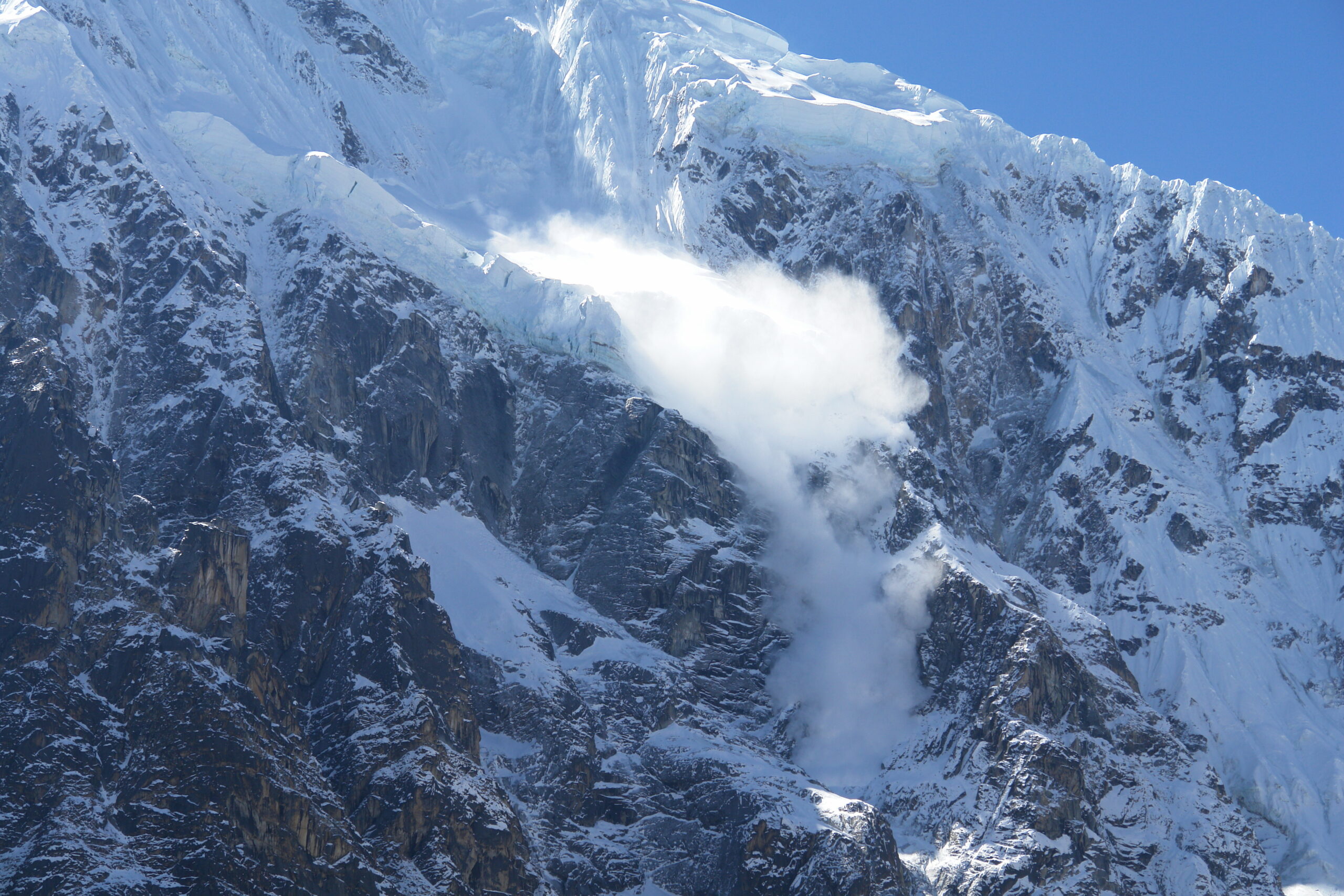
But today these guardians are in danger. Climate change is melting Andean glaciers at a fast pace, and with them goes an irreplaceable part of the water balance of all of South America.
Andean women and water conservation
The UN theme for 2026, “Water and Gender,” sheds light on something people in the Andes have lived quietly for thousands of years.
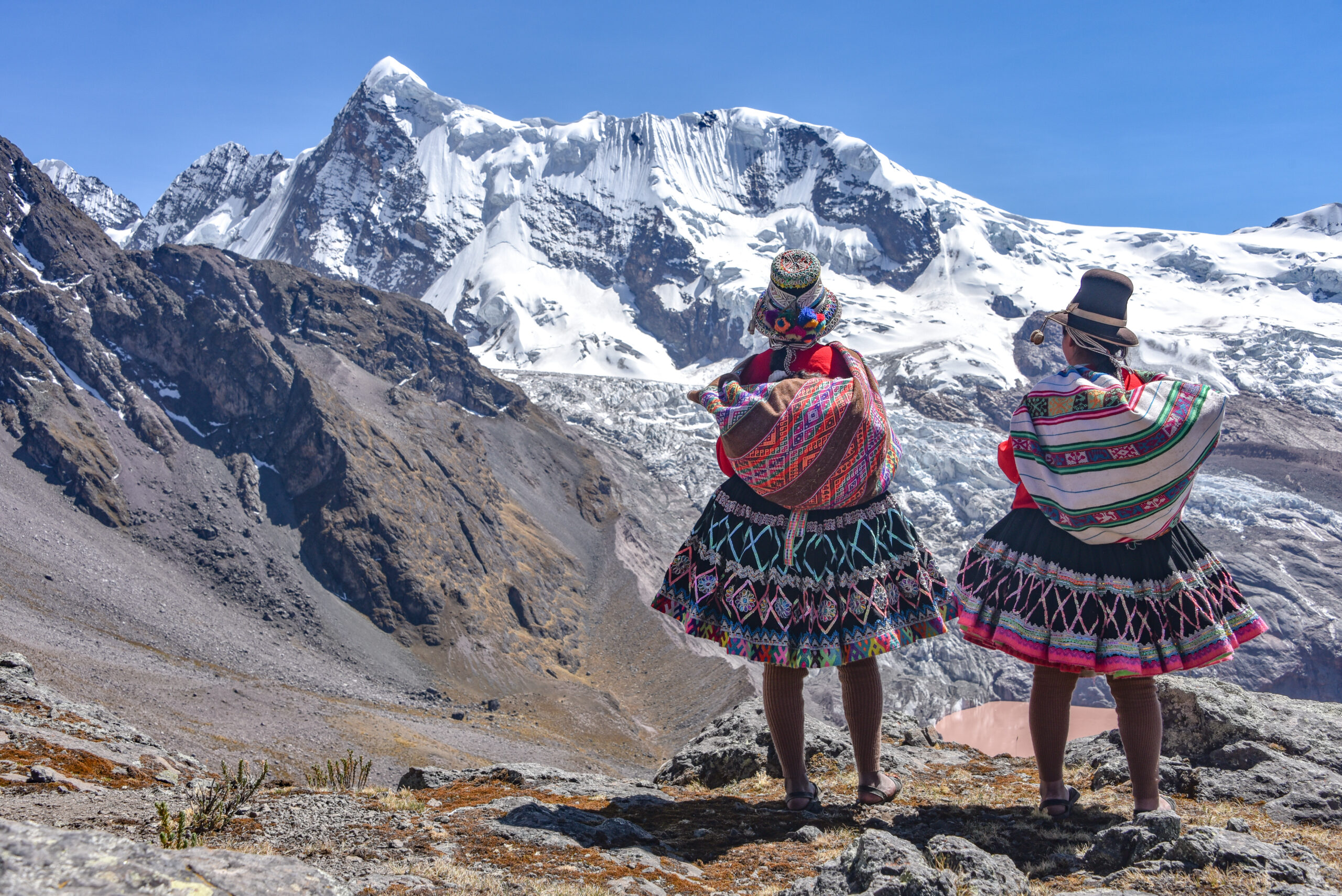
In the communities around Ausangate and Humantay Lake, it is the women who get up before dawn to fetch water from the streams that run down from the glaciers. They are the ones who know the rainy seasons, the cycles of the lakes and the rituals of thanks to the Pachamama for the water they receive.
In many communities, women lead the communal work days to clean the irrigation canals and the “yarqa aspiy” rituals, the traditional yearly cleaning of the water channels, handed down from Inca times. It is a practice that is not only cultural: it is deeply ecological.
When you visit Humantay Lake or the Ausangate 7 Lakes with Tari Tours, you are walking on land that these women know and protect. Understanding that changes the whole trip.
Humantay Lake and Ausangate 7 Lakes: living water up high
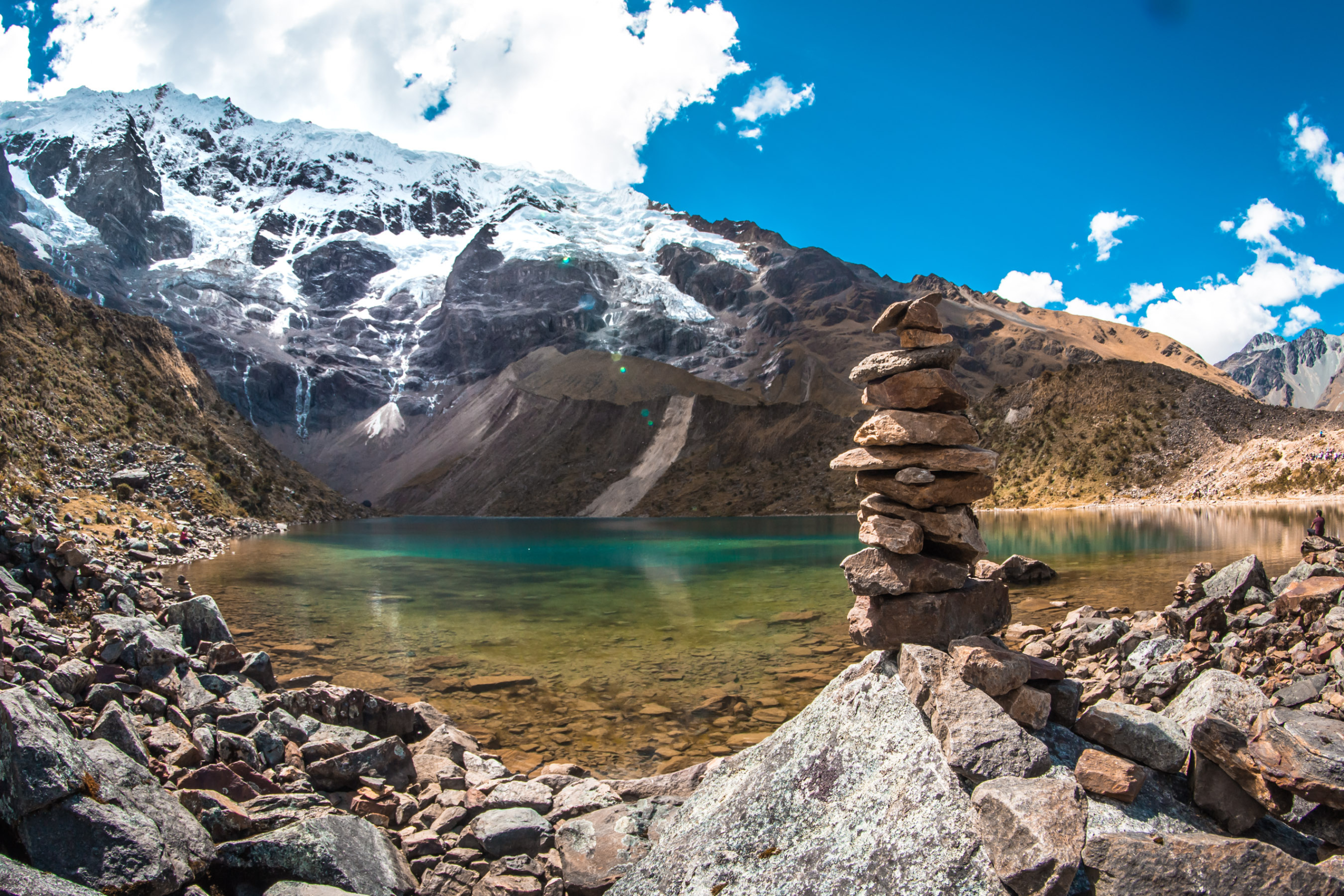
Humantay Lake (4,200 m / 13,780 ft above sea level)
With a turquoise blue that looks almost unreal, Humantay Lake is one of the most striking natural sights in the Andes. Its water comes straight from the melting ice of the snowcapped Humantay peak, part of the Salkantay glacier system.
For local communities, the lake is a place of offerings and thanks. It’s common to see travelers and locals leaving flowers or coca leaves on the shore as a sign of respect. At Tari Tours, we always ask our travelers to honor this tradition.
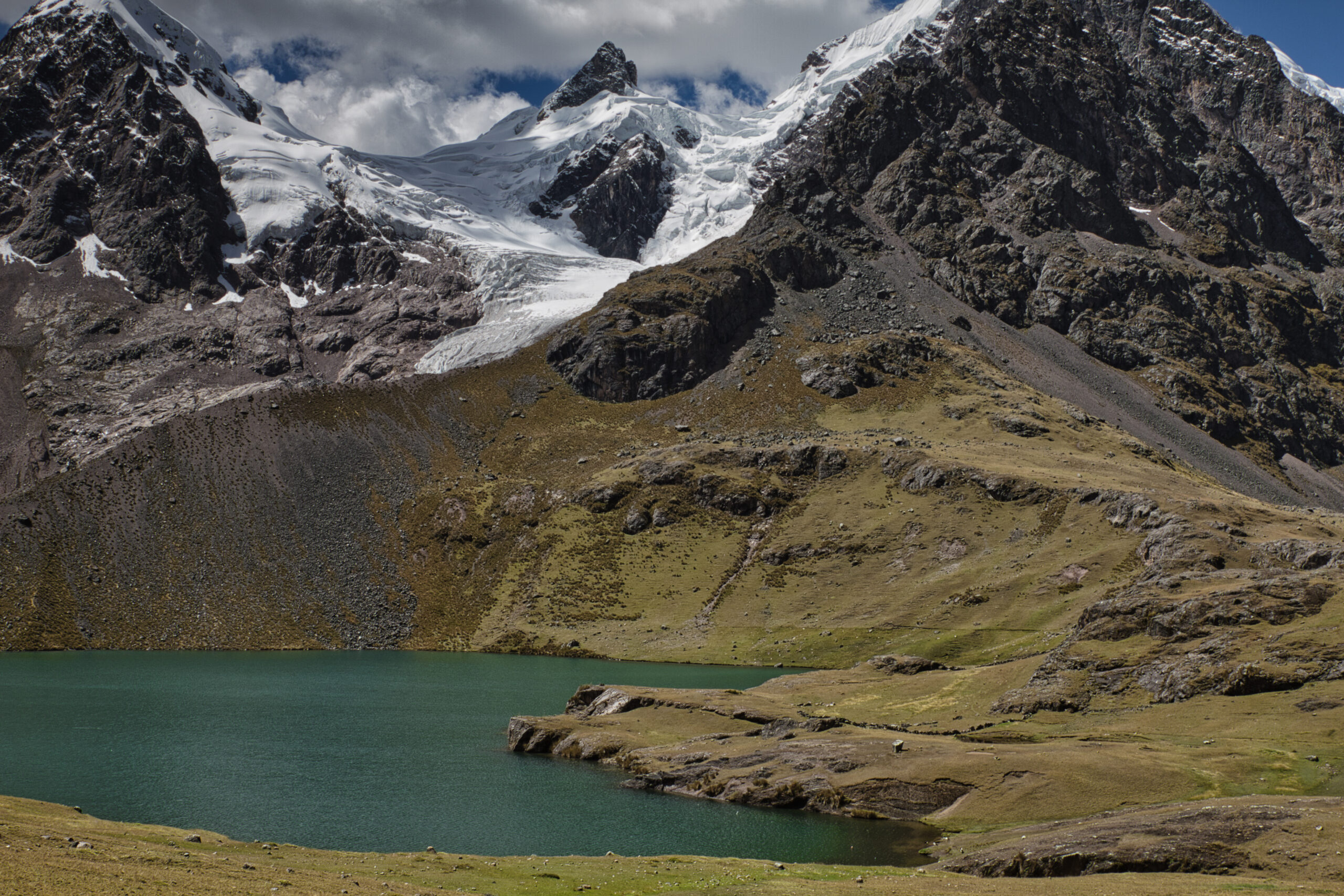
Ausangate 7 Lakes (from 4,600 m / 15,090 ft)
The 7 lakes circuit around Ausangate is one of the most impressive treks in Peru. Each lake has its own color, its own energy and its own name in Quechua. Together they form a glacial ecosystem unique in the world, where the water changes shade with the minerals in the soil and the light of the Andean sky.
Ausangate is also the most revered Apu in the Cusco region. Its towering presence reminds anyone who looks at it that the water we drink has a much longer history than ours.
What you can do as a traveler
Responsible travel is one of the most effective ways to help conserve water in the Andes. A few concrete actions:
- Don’t leave trash near lakes and rivers. The water you see is the same water local communities use.
- Respect rituals and offerings. Flowers or coca leaves on the shore are sacred acts, not litter.
- Choose local agencies. When you choose Tari Tours, the money from your trip stays in Cusco and supports local families and guides.
- Use reusable bottles. Cutting down on plastic on mountain trails is key to protecting these water sources.
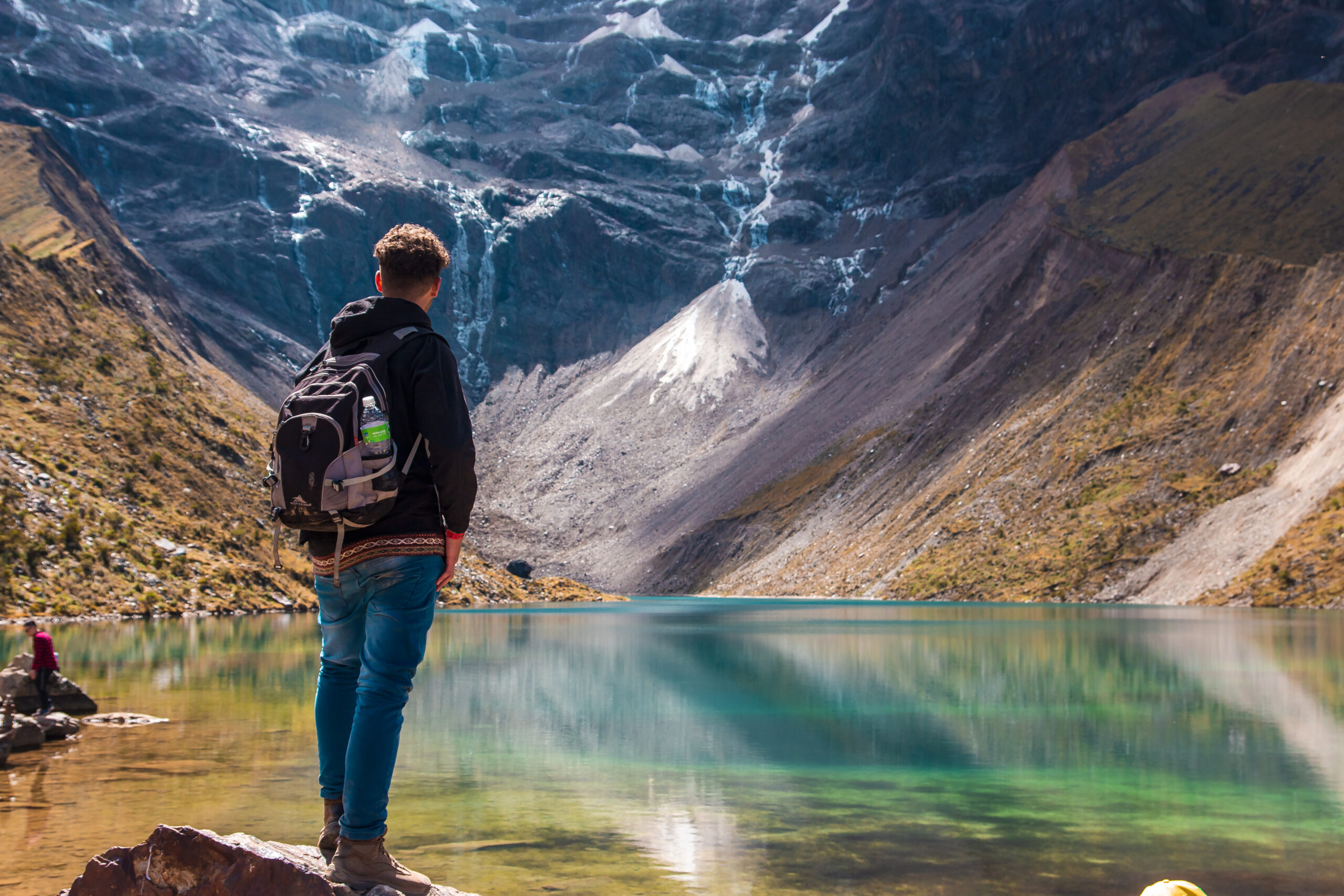
Go beyond the photo
After more than 22 years taking travelers to the most sacred places in Cusco, we’ve learned that the real encounter with the Andes happens when you go beyond the photo. When you listen to the story of the water, when you thank the Apu before starting the hike, when you share a cup of muña tea with your local guide.
Our tours to Humantay Lake and the Ausangate 7 Lakes circuit include trained local guides, modern transportation and the reliability of a company that is 100% from Cusco and that respects and loves this land.
On World Water Day, March 22, the invitation is to celebrate in the best way possible: by getting to know water, respecting it and living it.
Frequently asked questions about Cusco’s glaciers
What is the best time of year to visit Humantay Lake?
The dry season (May to October) is ideal: clear skies, safe access and the best views of the snowcapped peak. Even so, Tari Tours runs the tour all year round, with the right safety measures for each season.
Are Andean glaciers disappearing?
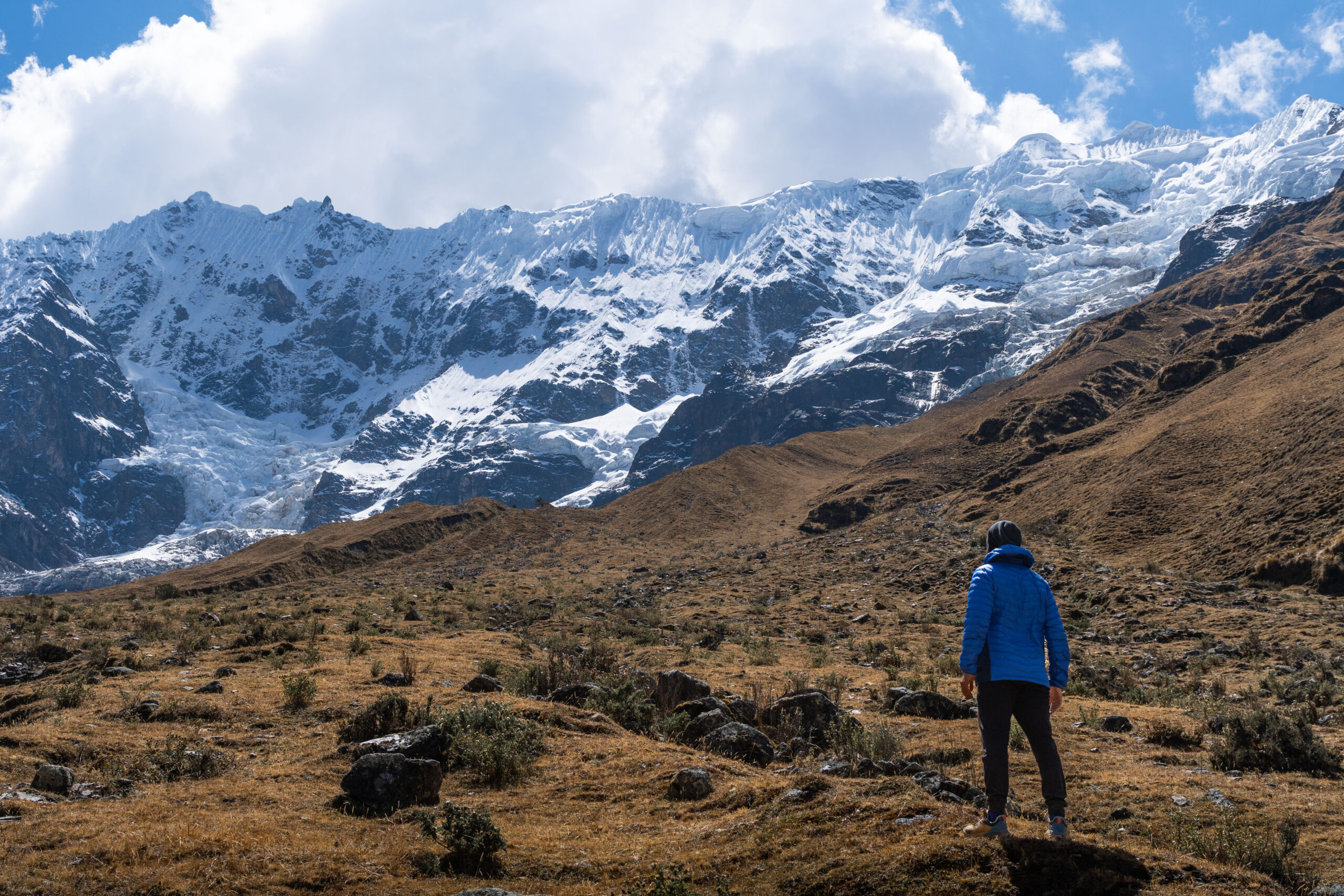
Yes. Peru has lost more than 50% of its glacier cover in the last 50 years, according to studies by INAIGEM. Visiting these areas responsibly, with committed local operators, is also a way to value and defend what still remains.
Is the Ausangate 7 Lakes trek suitable for everyone?
It’s a moderate to challenging trek because of the altitude (up to 5,000 m / 16,410 ft). We recommend at least 2 days of acclimatization in Cusco beforehand. Our guides keep an eye on each traveler’s physical condition throughout the route.
Want to visit Humantay or Ausangate?
We’re a local agency in Cusco, registered with MINCETUR since 2003, with English-speaking guides. We run the Humantay Lake tour and the Ausangate 7 Lakes trek, with trained local guides and modern transportation.