
For the Incas, life was not a matter of chance: it was a perfect connection between people and the cosmos. At Machu Picchu, in the Sacred Valley or in front of the snowcapped mountains, you’re not just looking at stones, but at temples dedicated to nature deities that still guide life in the Andes.
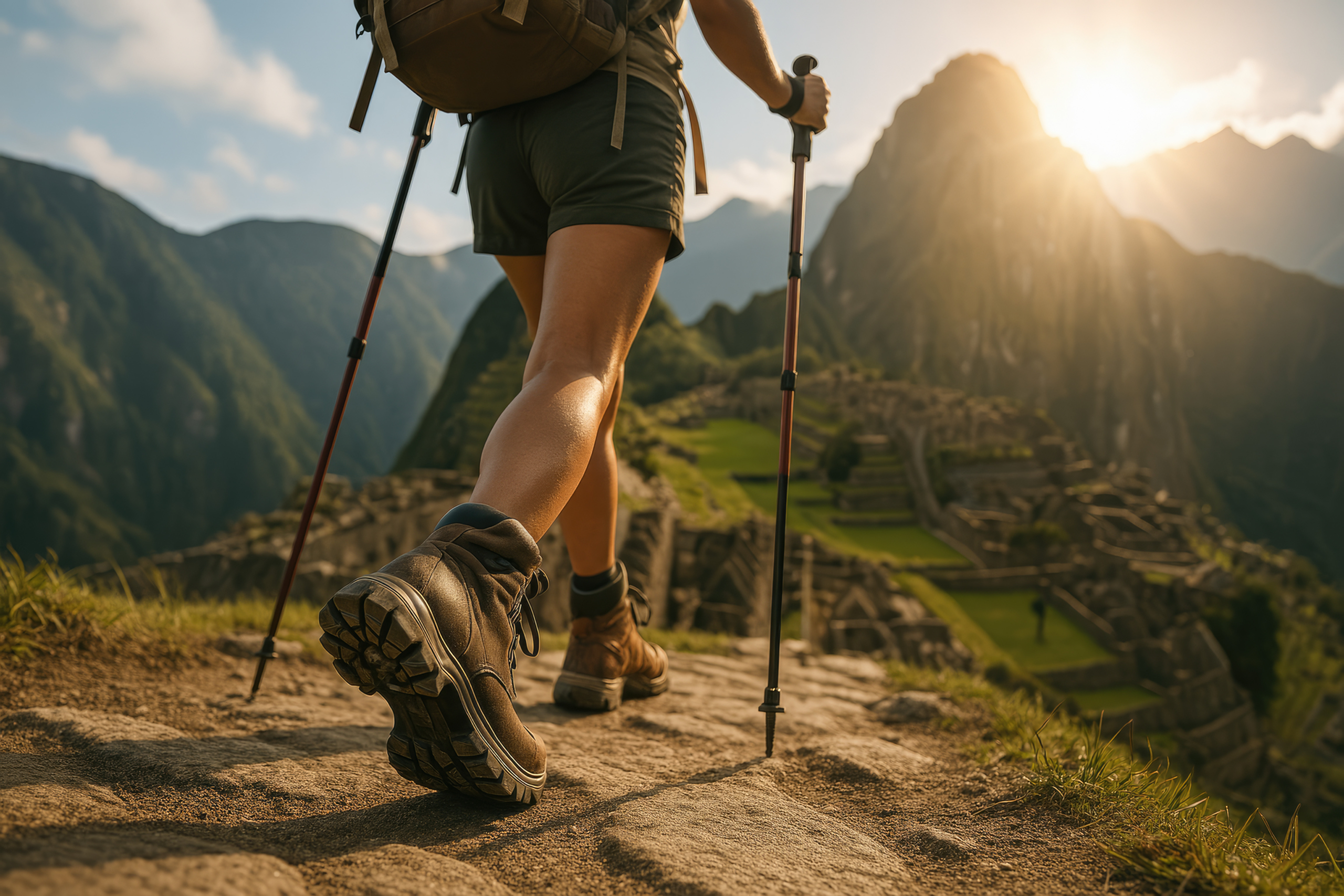
Understanding the Andean worldview changes the way you see your trip: every ruin takes on a new meaning.
1. Inti, Father Sun: the center of the empire
Inti was the most important deity of the Inca Empire. As the source of life and warmth, the Sun was the father figure and the origin of all the authority of the Sapa Inca, the emperor.
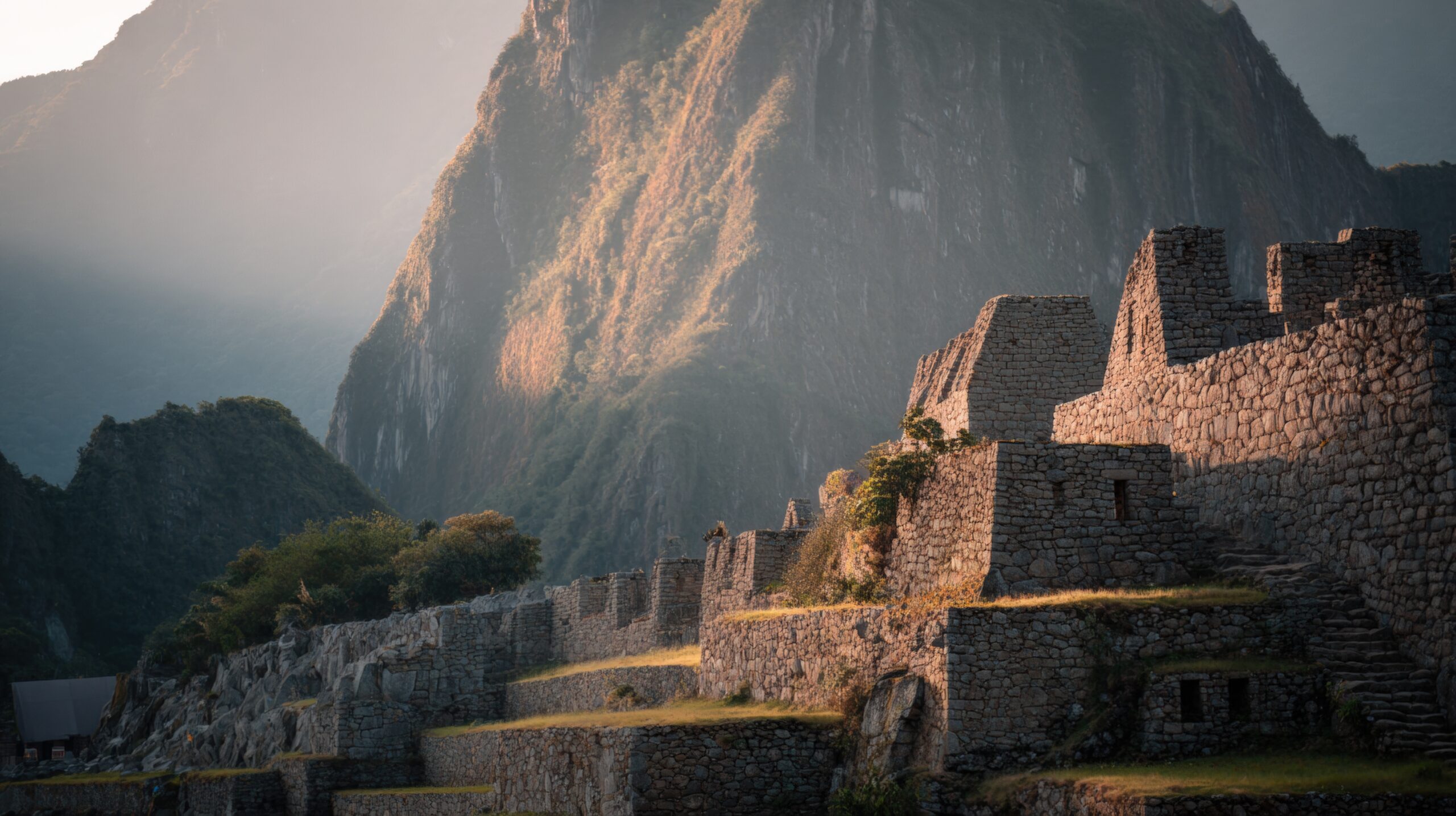
- The main temple. The Qorikancha, the Temple of the Sun in Cusco, was built to honor Inti. Its walls, once covered in gold, symbolized the rays of the sun.
- At the ruins. At Machu Picchu, the Temple of the Sun and the Intihuatana stone (the “sundial”) are aligned to mark the solstices, proof of how precisely the Incas observed the Sun.
2. Pachamama, Mother Earth
The Pachamama is the deity of fertility, the earth and time. She looks after the harvests, the animals and abundance. Today, she is by far the most revered deity among Andean communities.
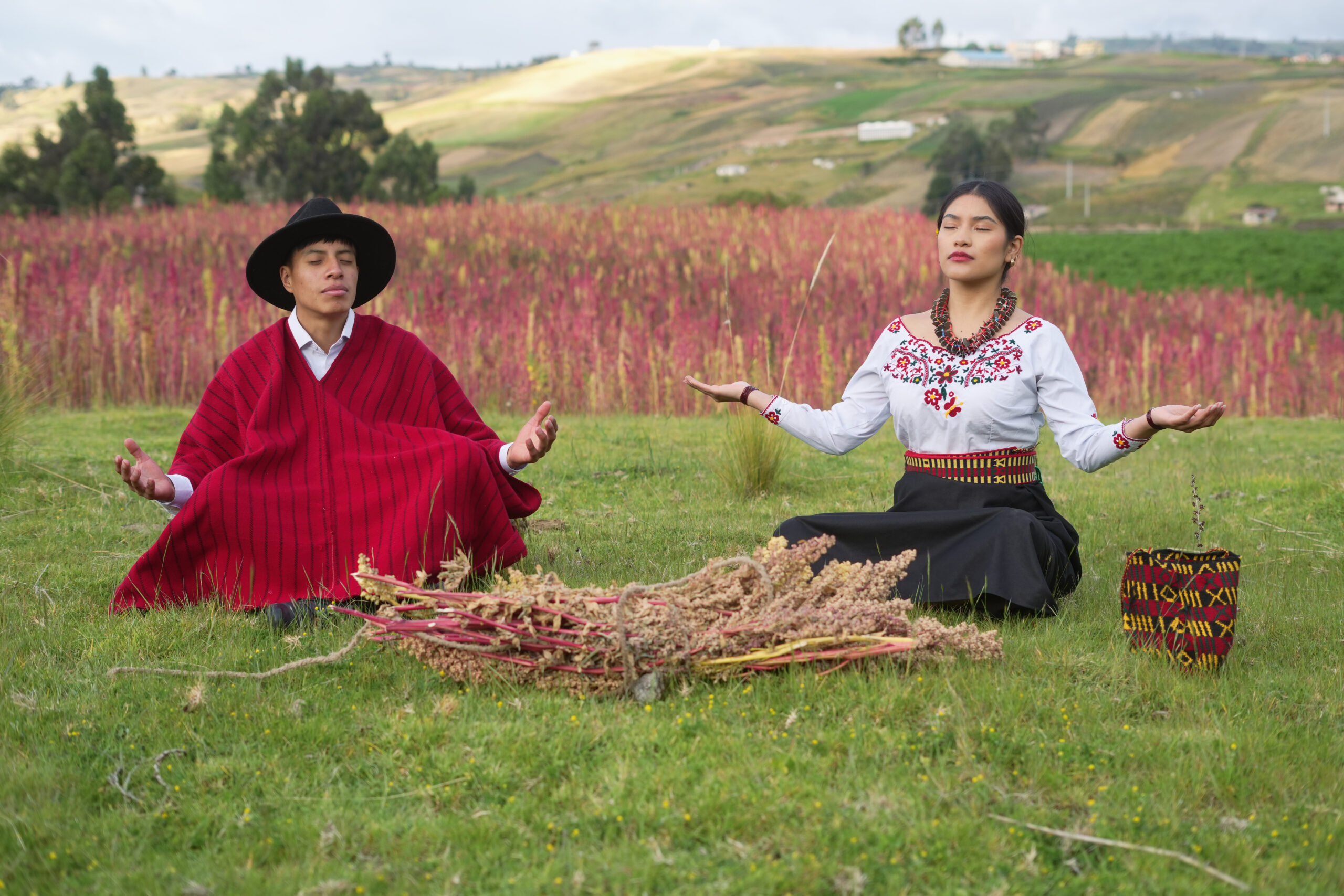
- The ritual. Before any activity (a trip, planting crops or even a sip of a drink), locals make a small offering to the earth: the “pago” (payment) to the Pachamama.
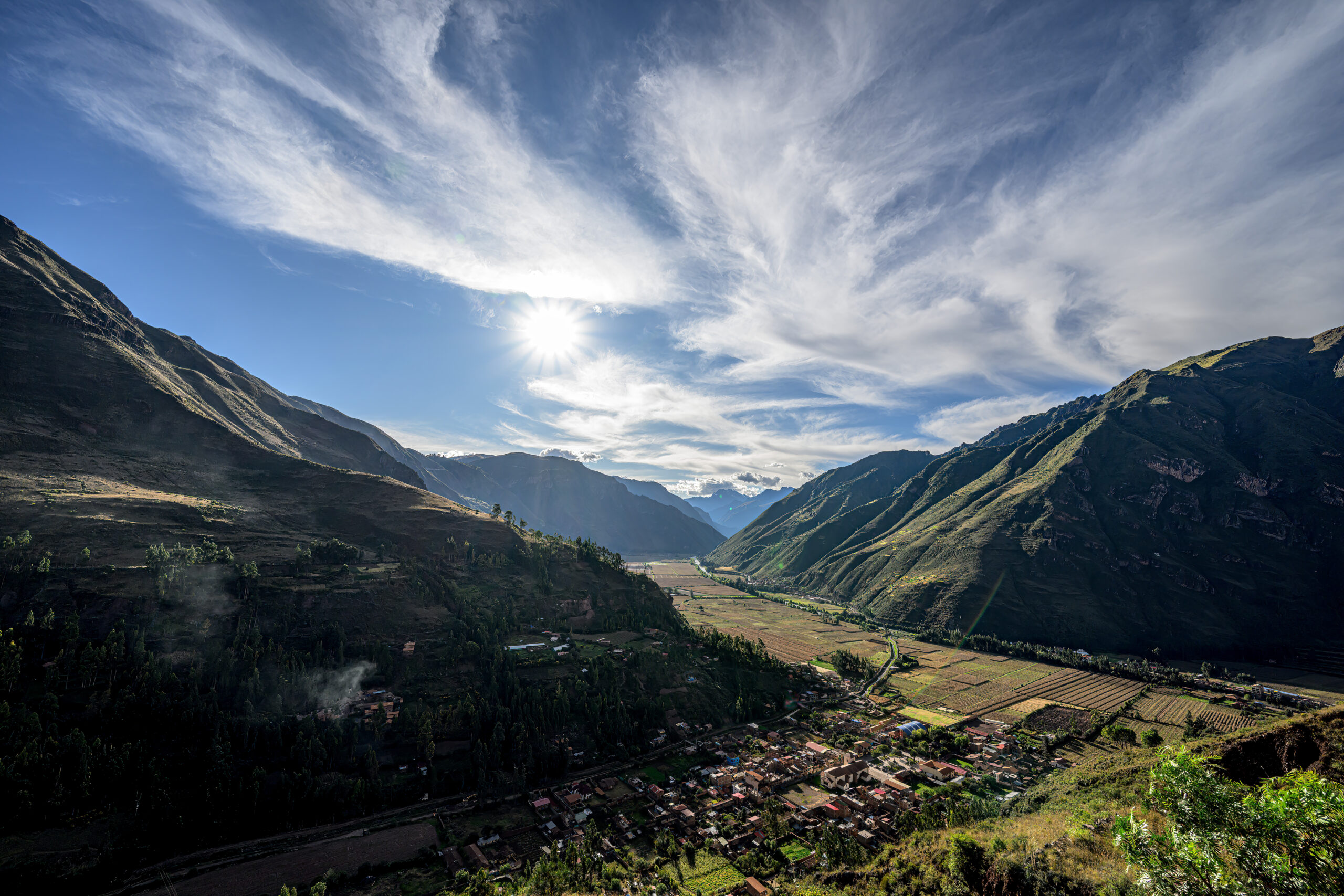
- On the tour. In the Sacred Valley, the vast farming terraces are a reminder that life in the Andes depended, and still depends, on the generosity of Mother Earth.
3. The Apus, gods of the mountains
The Apus are the spirits of the mountains and snowcapped peaks, considered sacred protectors of the villages. People believe they are the ones who provide water and protect the crops.
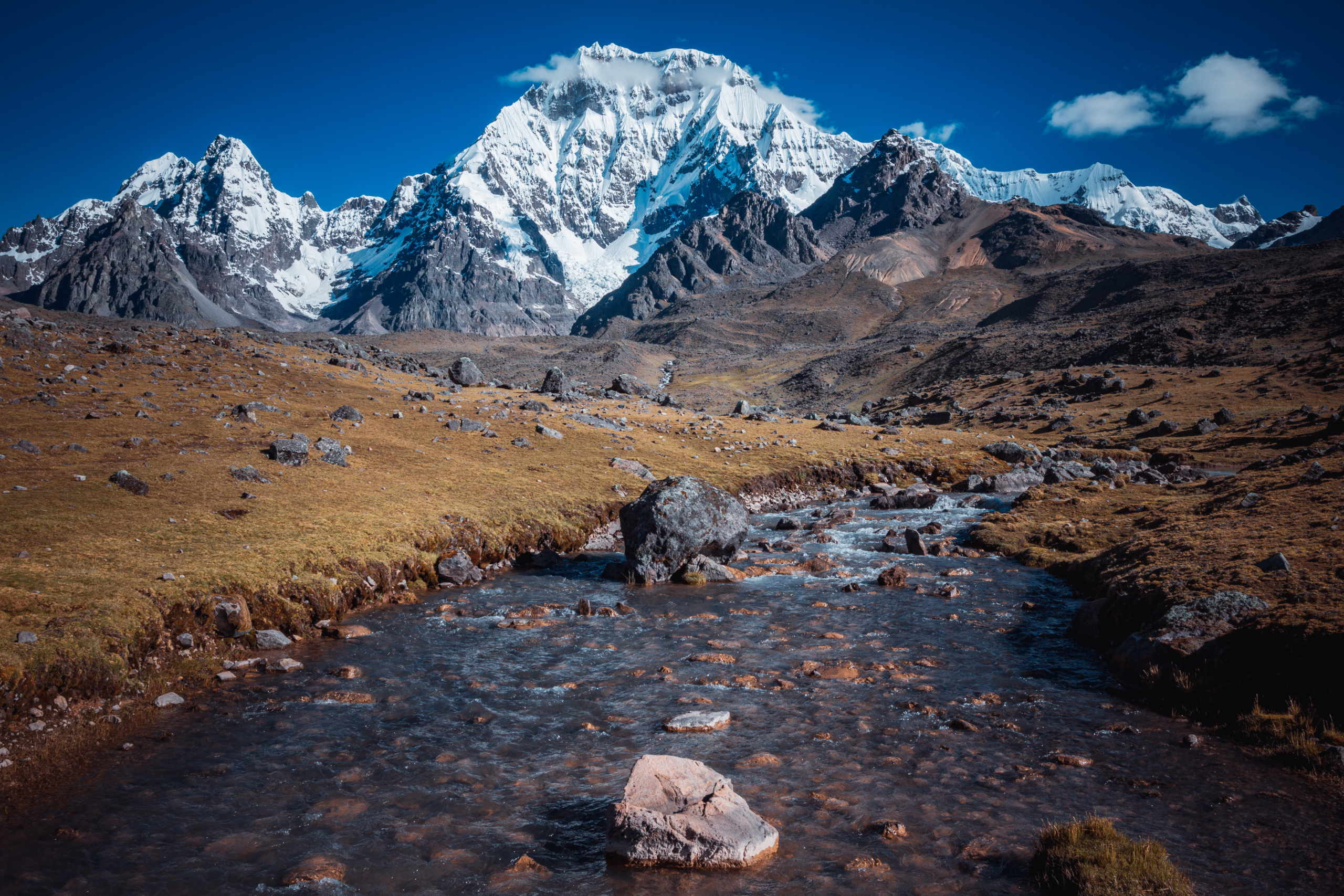
- The sacrifices. Apu Salkantay, for example, was a sacred mountain. The Incas and earlier cultures made sacrifices and held rituals on its slopes to secure its protection.
- On the trails. On the Salkantay Trek or on the way to Rainbow Mountain (Vinicunca), you walk through land ruled by these protective gods. You can feel it when you cross the mountain passes, like the Salkantay Pass (Abra Salkantay).
4. The three Inca worlds
The Inca worldview was organized into three planes of existence, all connected to each other:
| World (Quechua) | Meaning | Where it appears on earth |
|---|---|---|
| Hanan Pacha | The upper world (gods, Sun, Moon) | The highest peaks (Apus) |
| Kay Pacha | This world (where we live) | People and the Pachamama |
| Uku Pacha | The lower world (the dead, roots, fertility) | Caves, springs, seeds |
A trip to Cusco is a great chance to see this trilogy still alive.
Want to understand the Inca temples with a guide?
We’re a local agency in Cusco, registered with MINCETUR since 2003, with English-speaking guides. On our Sacred Valley and Machu Picchu tours, ask your guide about the offering to the Pachamama and how the Incas aligned their architecture with the Sun.