

In the Sacred Valley of the Incas, the town of Ollantaytambo holds much more than an imposing fortress: this is where the Incas won their most famous victory over the Spanish army.
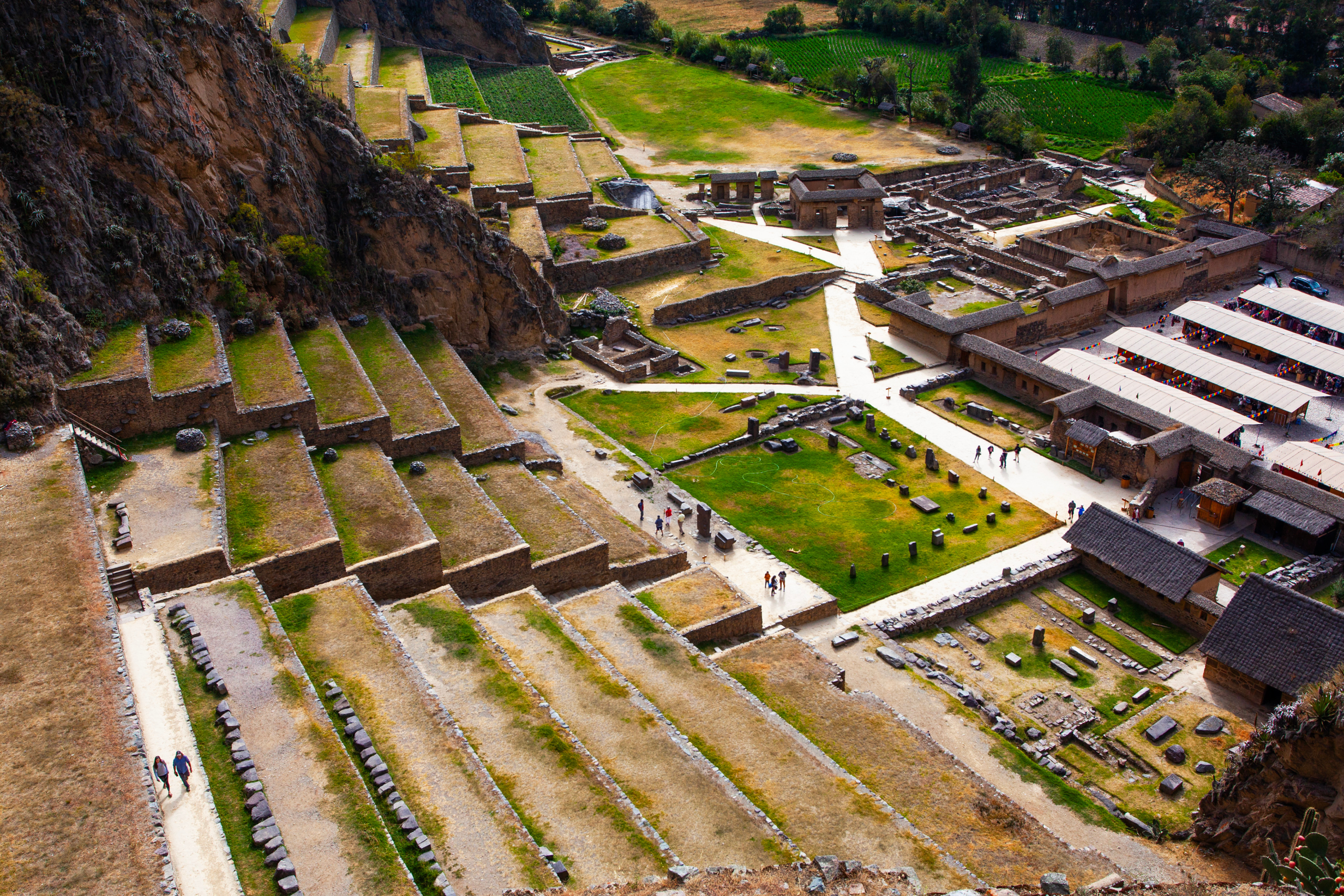
Ollantaytambo was never just a stop along the way. It was a major administrative, religious and military center of the Inca Empire and, for a short time, the last capital of the Inca resistance. If you want to understand the strength of the empire, this is the place.
History: the fortress that made Pizarro retreat
Ollantaytambo is believed to have been the residence of General Ollantay, an Inca hero who rebelled against Emperor Pachacútec. But it was during the Conquest that the fortress made history: unlike other Inca centers, Ollantaytambo lived through the war firsthand.
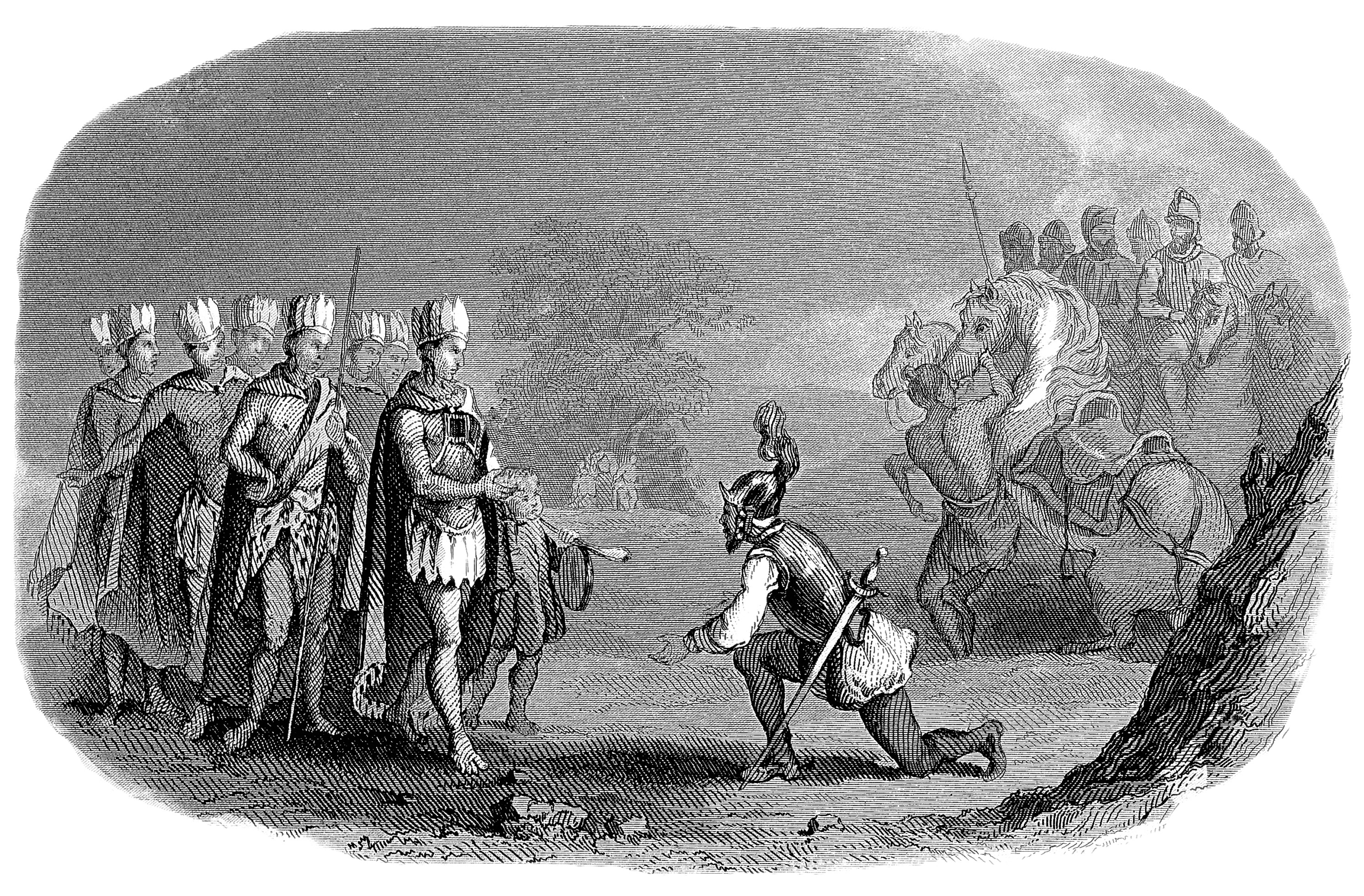
- The great siege (1537). The Battle of Ollantaytambo took place here. The Inca ruler Manco Inca Yupanqui took refuge in the fortress to hold off Hernando Pizarro.
- A masterstroke. The Incas used the advantage of their position. By opening the sluice gates of the canals, they flooded the valley and turned the battlefield into a swamp, leaving the Spanish cavalry unable to move. Pizarro was forced to retreat, in one of the empire’s few military victories over the conquistadors.
- After the battle. With the Spanish conquest, Ollantaytambo became a strategic point for defending the Sacred Valley. The Incas used the fortress to resist the Spanish advance, but they were eventually defeated.
Defensive engineering: the terraces
Ollantaytambo was built both to defend and to watch over the valley.
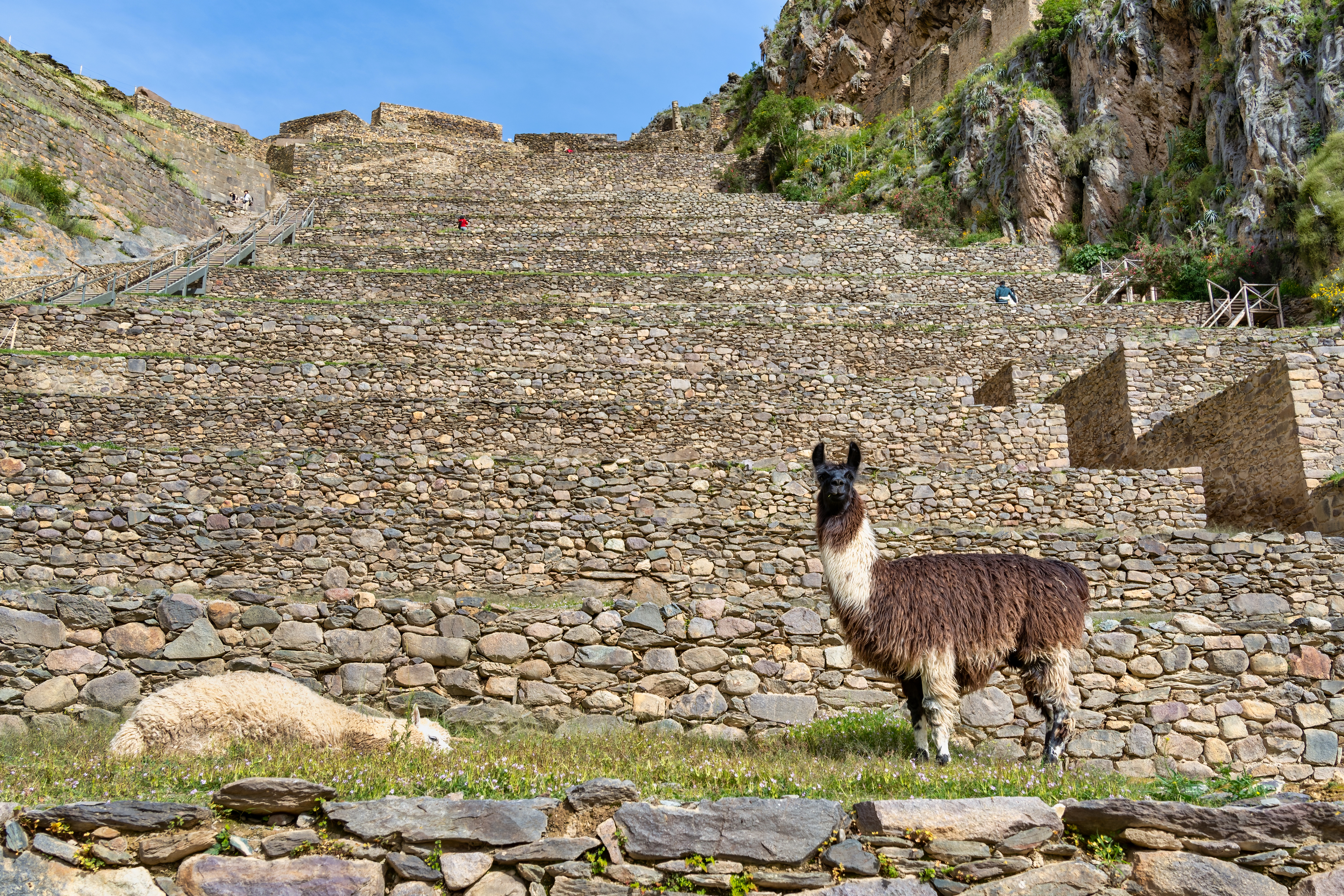
- Defensive terraces. What stands out most are the six monumental terraces climbing up from the valley. They weren’t only for farming: they worked as zigzag walls that made it very hard for an army to climb.
- The unfinished Temple of the Sun. At the top of the fortress stands the famous Temple of the Sun, made of six huge pink granite monoliths. The work was left incomplete because of the war, and it remains a physical record of how Inca civilization was cut short.
- The sacred mountain (Wiracochan). On the mountain facing the fortress there is a carved face of Wiracochan, the creator god. It served as a stone guardian protecting the town, and it shows how military strategy and faith went hand in hand.
During your visit, also look for the fountain known as the Princess Baths (Baño de la Ñusta) and the Intihuatana, a sundial that marked the solstices and equinoxes.

The town: a living museum
The town of Ollantaytambo, at the foot of the fortress, shows how the Incas planned their cities. It keeps its original layout and many adobe buildings.
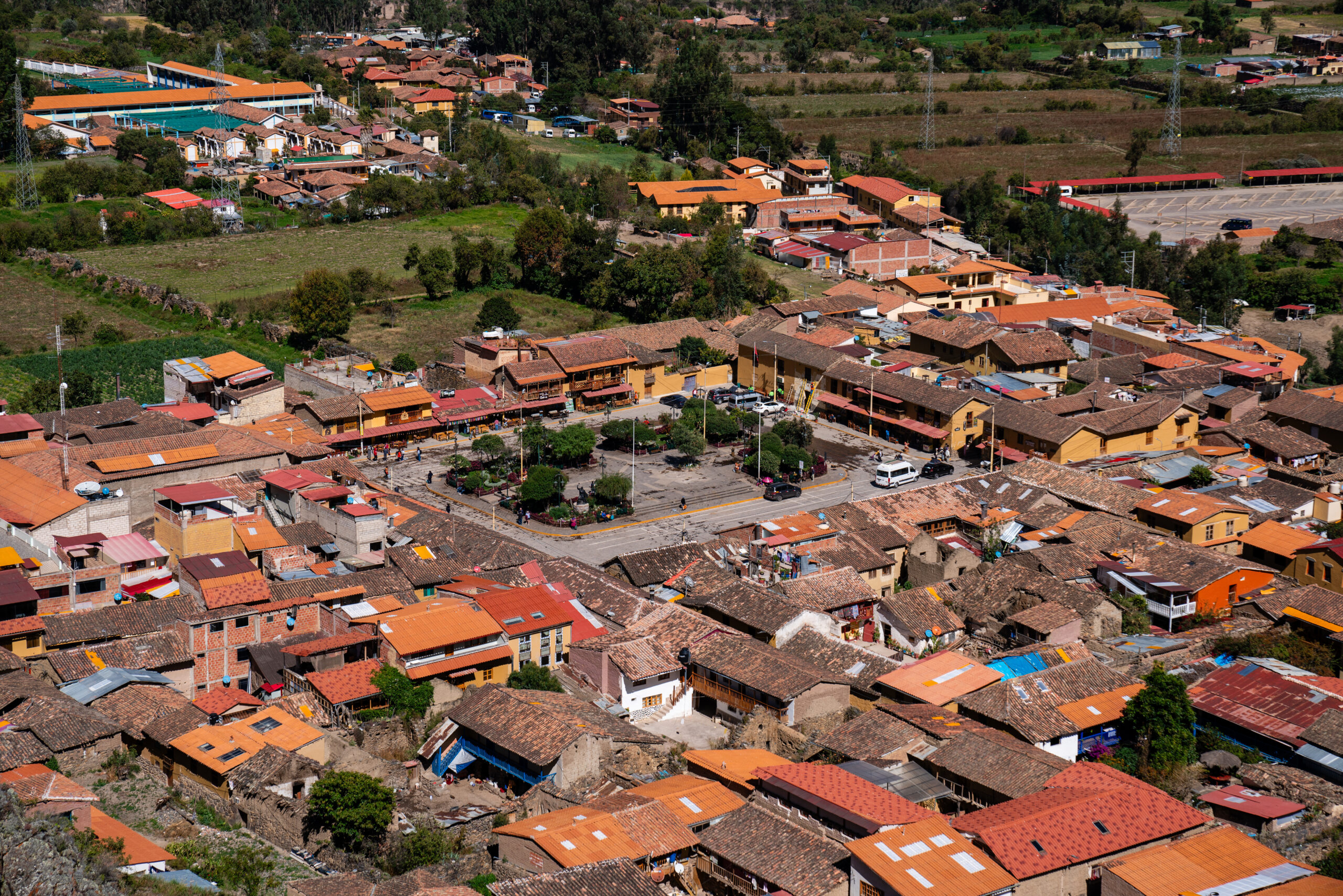
- Original streets. Unlike Cusco, where colonial architecture was built on top of Inca walls, Ollantaytambo keeps its Inca street plan, with narrow alleys and water channels that still run through the center.
- Water under control. The square and the original buildings were designed for a controlled flow of water, a key part of the flooding strategy that drove out the Spanish.
- Plaza de Armas and market. Walk the stone streets to the Plaza de Armas, home to the colonial church, and stop by the craft market to buy souvenirs.
- Site museum. The Ollantaytambo museum displays Inca objects found in the area, such as pottery, textiles and tools, and helps you picture daily life here in Inca times.
Tips for your visit
- Getting there. You can take a bus from Urubamba or from the city of Cusco.
- Best time to go. The dry season, from April to October.
- What to wear. Comfortable clothes and good walking shoes: you’ll walk quite a bit to see both the town and the fortress.
The empire’s last stand
Ollantaytambo isn’t just another stop in the Sacred Valley: it’s the place where the Inca spirit refused to die. The scale of the architecture and the story of the battle make it a must-see.
Want to visit Ollantaytambo with a guide?
We’re a local agency in Cusco, registered with MINCETUR since 2003, with English-speaking guides. We run the Sacred Valley tour with the Ollantaytambo fortress, including a version that ends at the train station for Machu Picchu.