
The trekking routes around Cusco (Salkantay, Lares, the Inca Trail) are famous for their beauty, but also for their extreme altitude and sudden changes in weather. The high Andes ask for more than strong legs: they ask for an operator that knows the risks of the terrain and how to reduce them.
These are the 5 safety factors Tari Tours guarantees so your adventure is epic and, above all, safe.
1. Weather on the mountain passes
In the high mountains, the weather can go from strong sun to a snowstorm in a matter of hours.
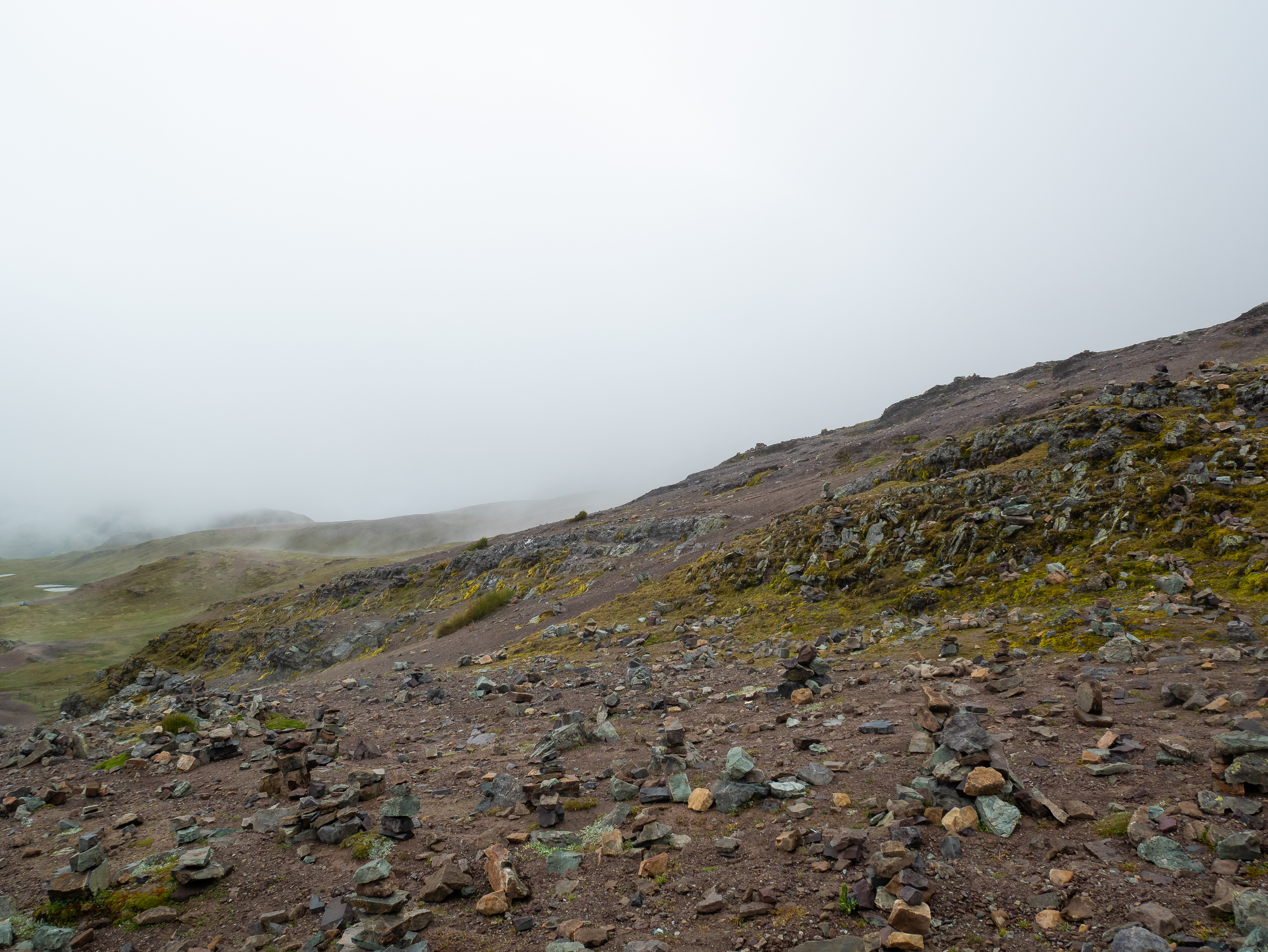
- Risk. On the Salkantay Pass (4,635 m / 15,210 ft) or Dead Woman’s Pass (4,215 m / 13,830 ft), a sudden drop in temperature can lead to hypothermia.
- What the agency guarantees. Our guides carry satellite radios or satellite phones to track weather changes in real time, and they have evacuation plans in case a strong storm or an unexpected snowfall moves in.
2. Landslides and mud on the trail
Especially in the rainy season (November to March), the high jungle section (known as the ceja de selva, or cloud forest edge) is prone to landslides and muddy trails.
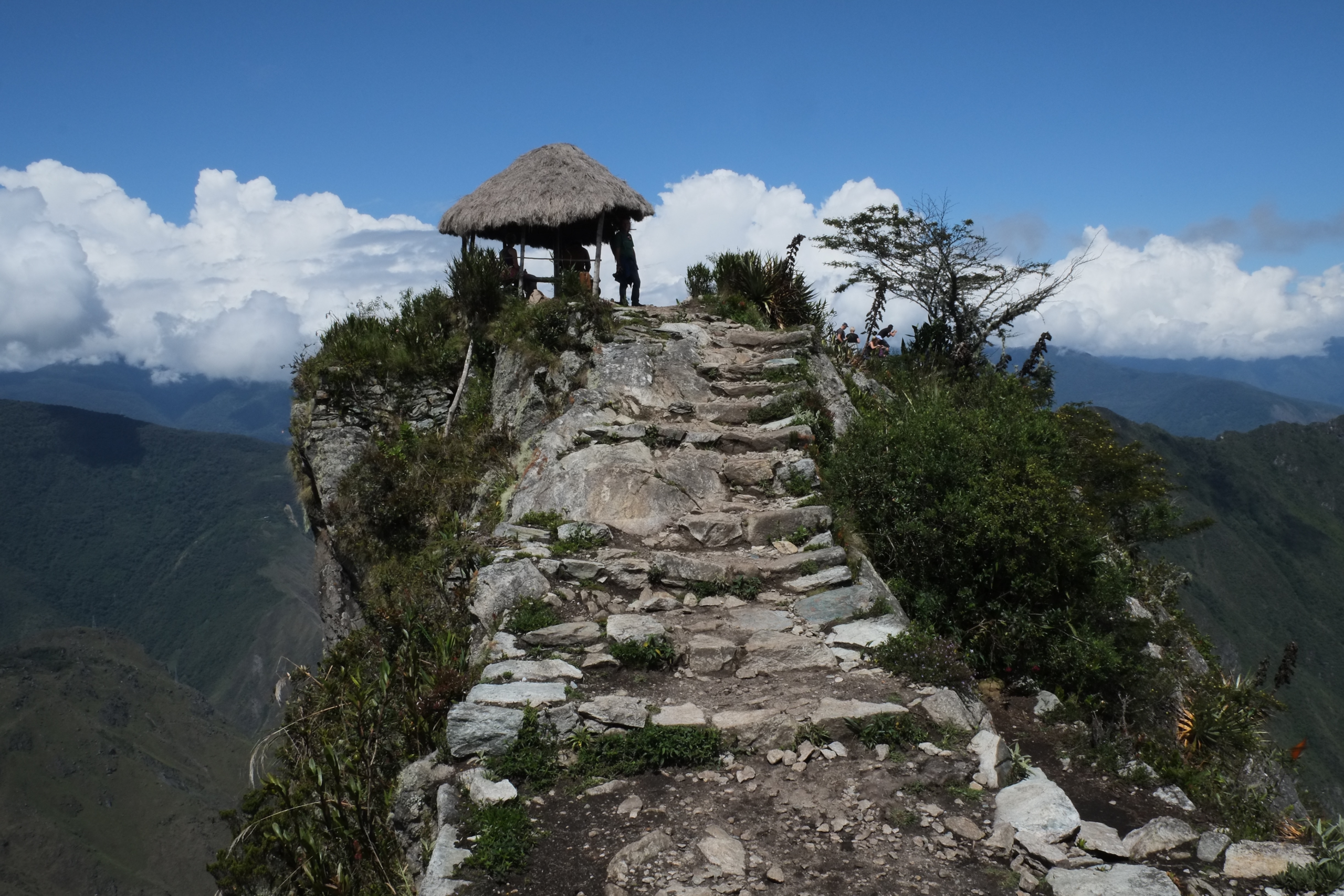
- Risk. Mud makes the trail dangerous and slippery, causing falls and sprained ankles.
- What the agency guarantees. We offer support gear (trekking poles for rent) that gives you a firmer footing on every step. Our guides also know the terrain well and choose the best-drained trails or the safest alternative routes when it rains hard.
3. Evacuation and medical response at altitude
Altitude is the invisible risk. Although many travelers acclimatize well, a bout of altitude sickness (soroche) or acute mountain sickness needs an immediate response.
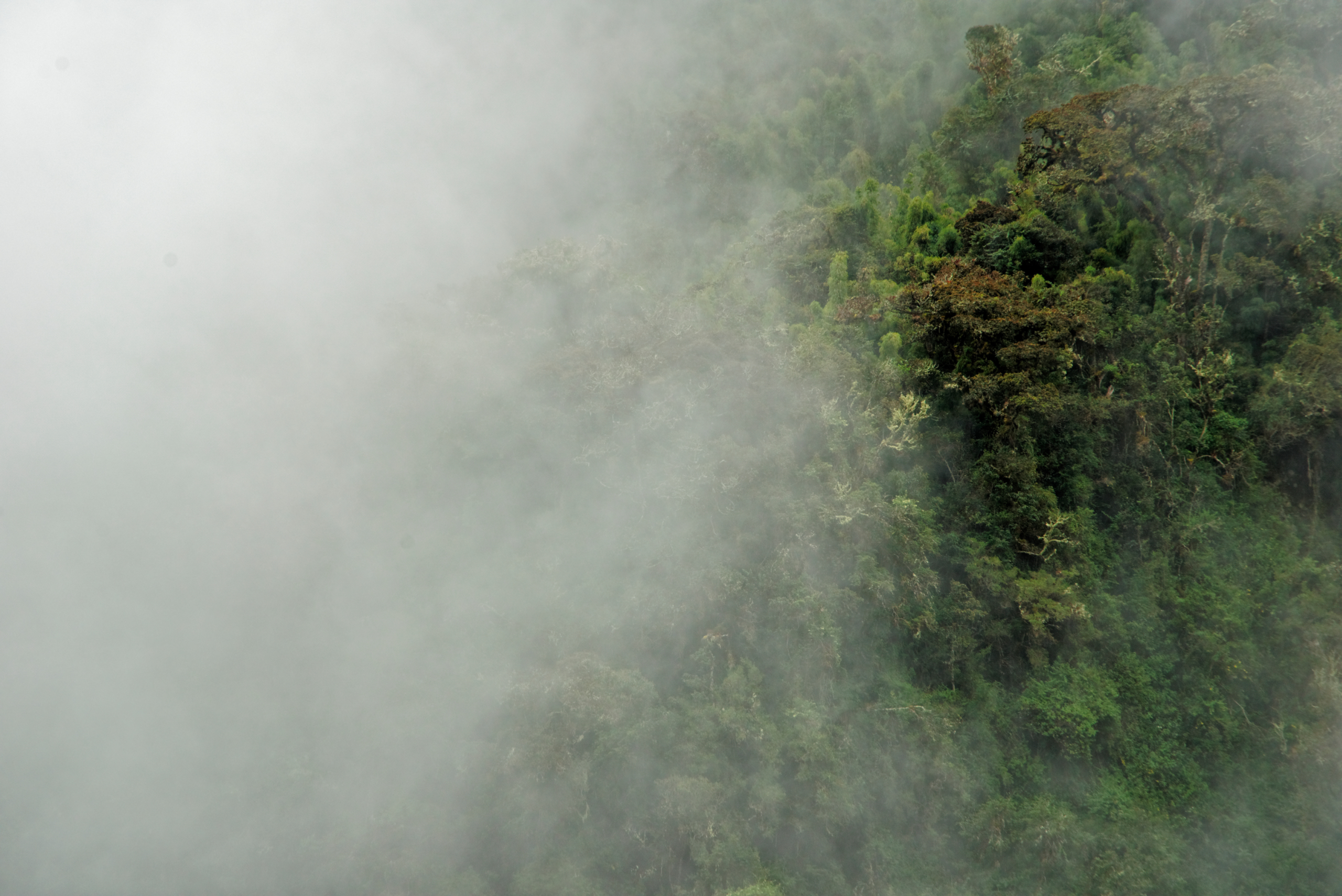
- Risk. High-altitude pulmonary edema and high-altitude cerebral edema are rare, but they require descending immediately.
- What the agency guarantees. All our groups carry portable oxygen tanks for immediate use. Our guides are certified in mountain first aid and stay in constant contact so any emergency can be taken to the nearest medical center.
4. Safe water
Water is vital for survival and for acclimatization, but water from rivers and springs is not safe to drink straight.
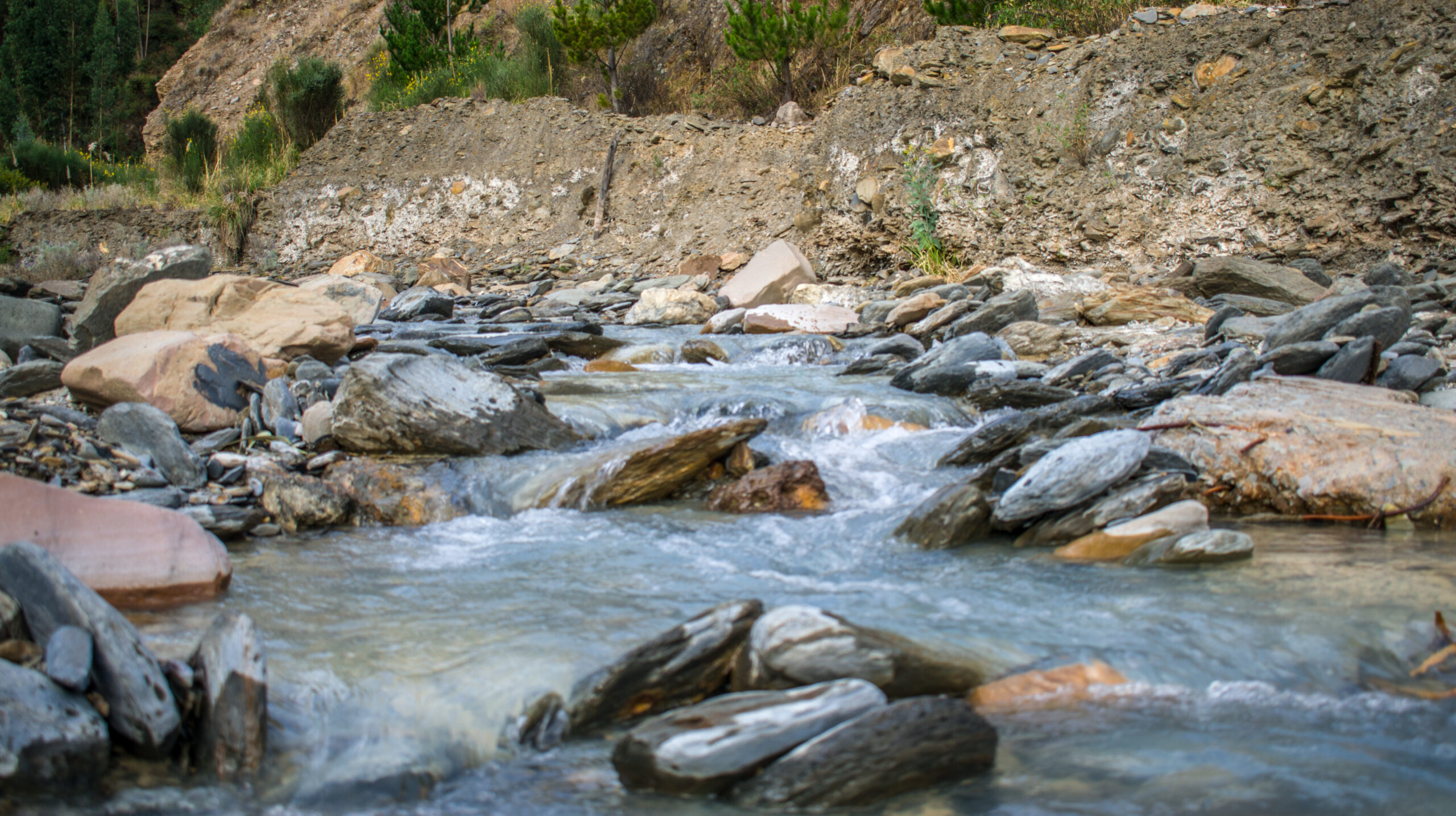
- Risk. Drinking untreated water can cause stomach infections (diarrhea, vomiting) that ruin your trip.
- What the agency guarantees. We provide safe drinking water at camp or along the way, boiled or purified with tablets. This removes the risk of infection and keeps you hydrated throughout.
Don’t drink untreated water from rivers or springs, however clean it looks. A stomach infection halfway along the trail can end your trek.
5. Camp logistics
Sleeping well is your best defense against altitude sickness.
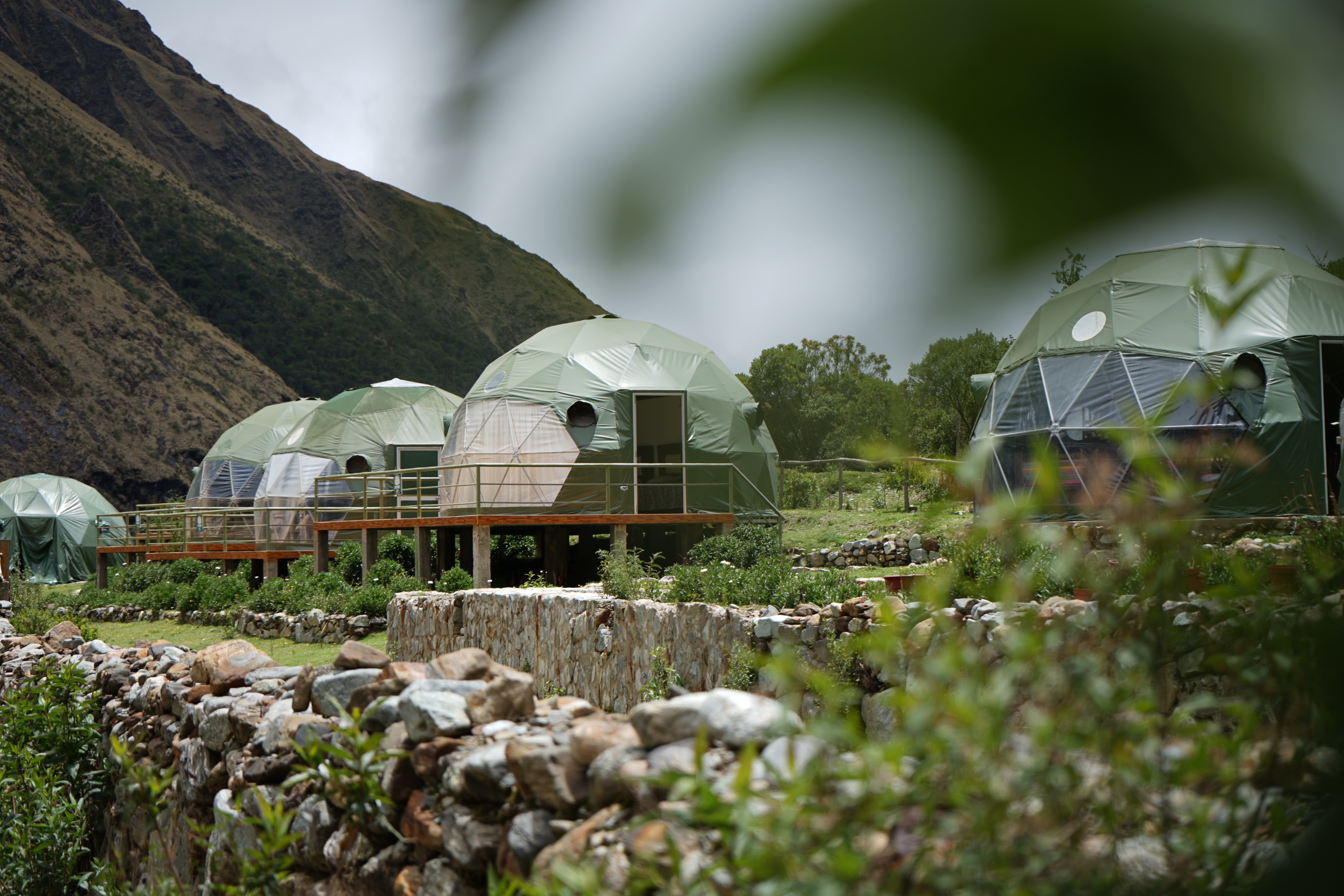
- Risk. Sleeping in the wrong sleeping bag or a cold camp slows your recovery and makes the next day’s hike harder.
- What the agency guarantees. We use high mountain tents and offer sleeping bags rated to -10 °C (14 °F) for rent, so even in the extreme cold of Salkantay you get real rest.
Your safety is our route
Choosing an agency focused on safety, both on the trail and on the medical side, is the most important decision of your adventure.
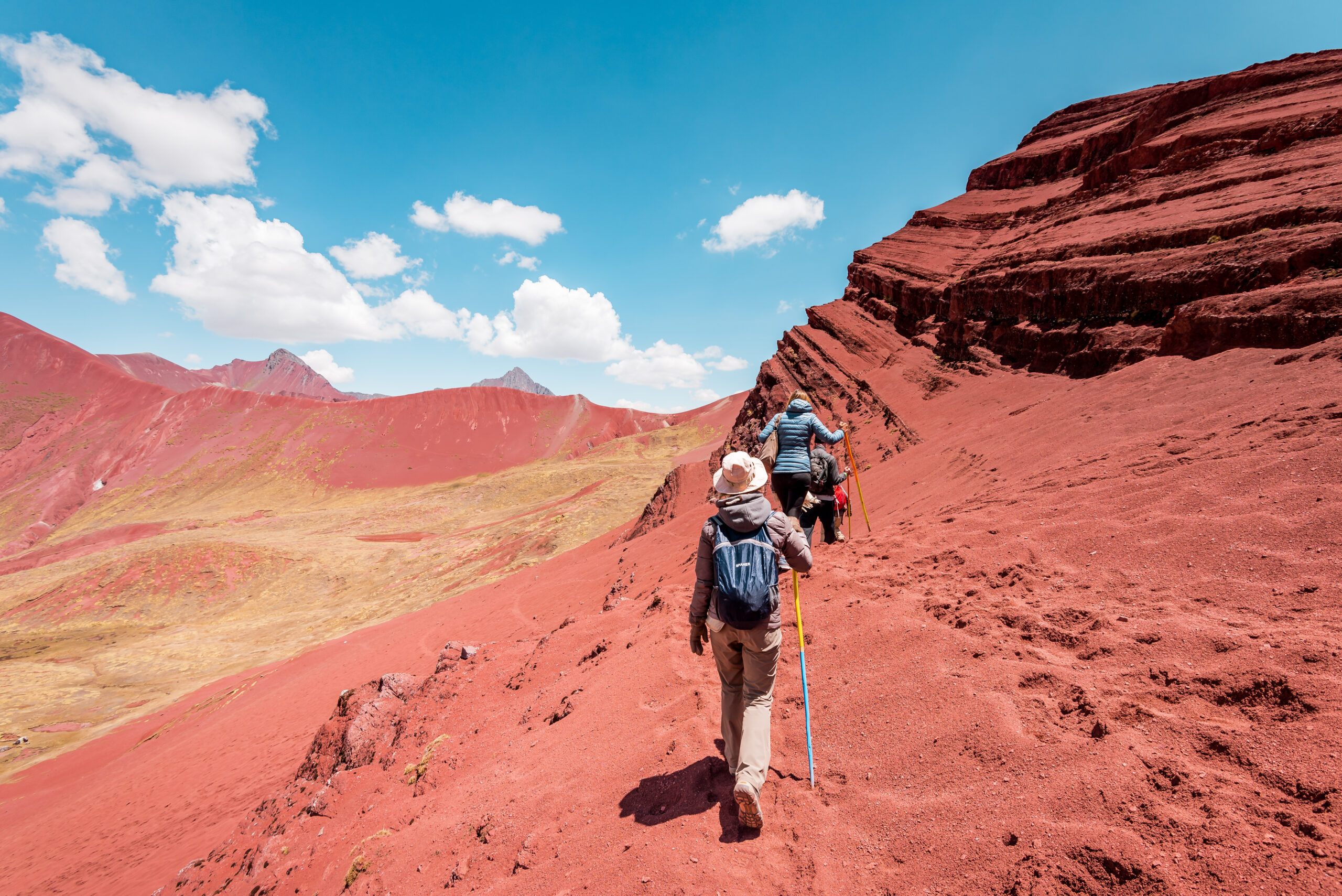
Planning the Salkantay Trek or the Inca Trail?
We’re a local agency in Cusco, registered with MINCETUR since 2003, with English-speaking guides. We run the Salkantay Trek and the Inca Trail with guides certified in mountain first aid: ask about their certification before you book.