
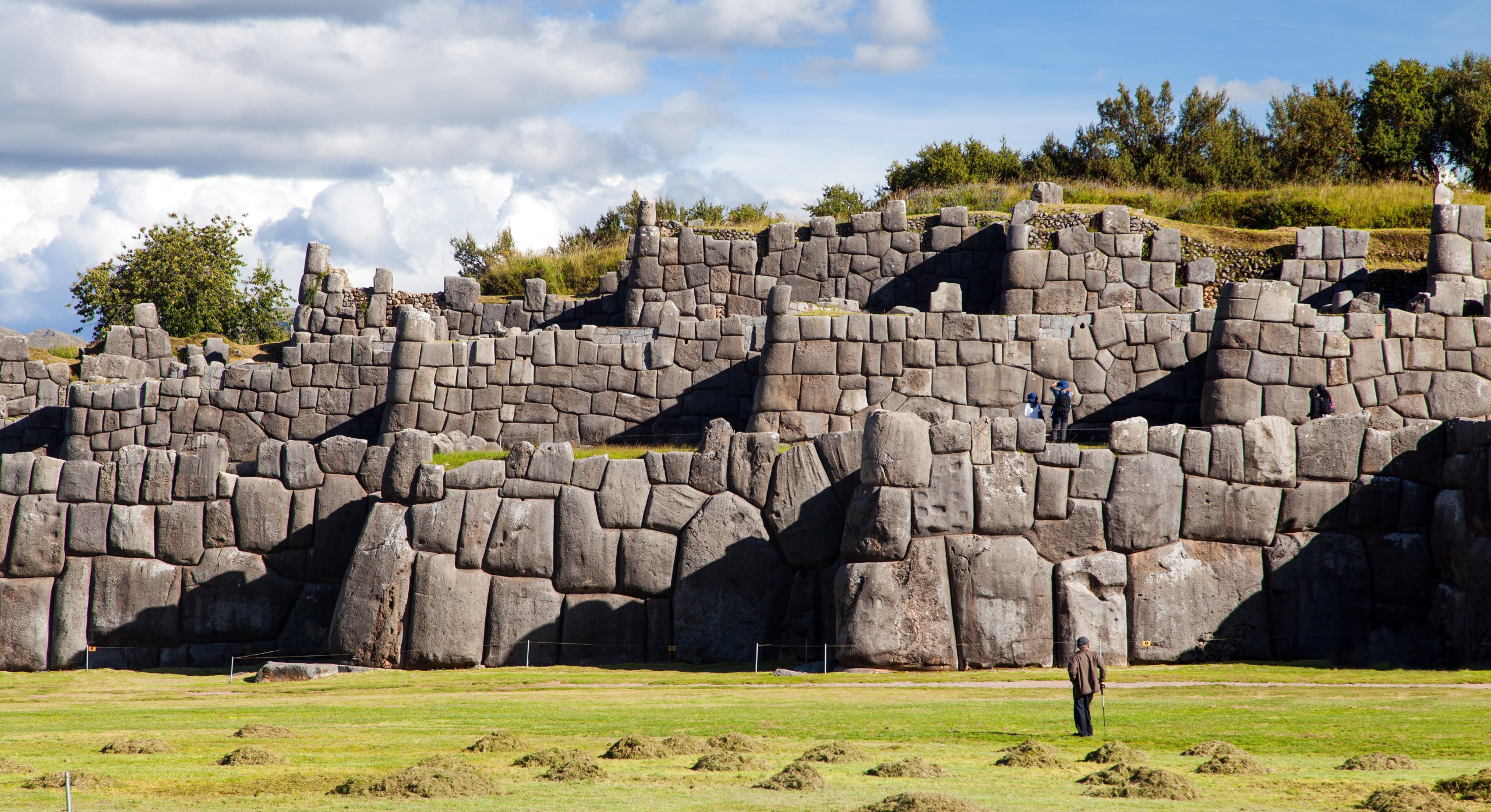
Just outside Cusco stands one of the most puzzling structures in the Andean world: Sacsayhuamán. Its name, which means «satisfied falcon» in Quechua, doesn’t do justice to the size of its walls.
This Inca fortress isn’t just a must-see stop: it’s an engineering puzzle that defies logic and the known technology of 600 years ago. Here’s why Sacsayhuamán is still a mystery.
Megalithic stones that seem impossible

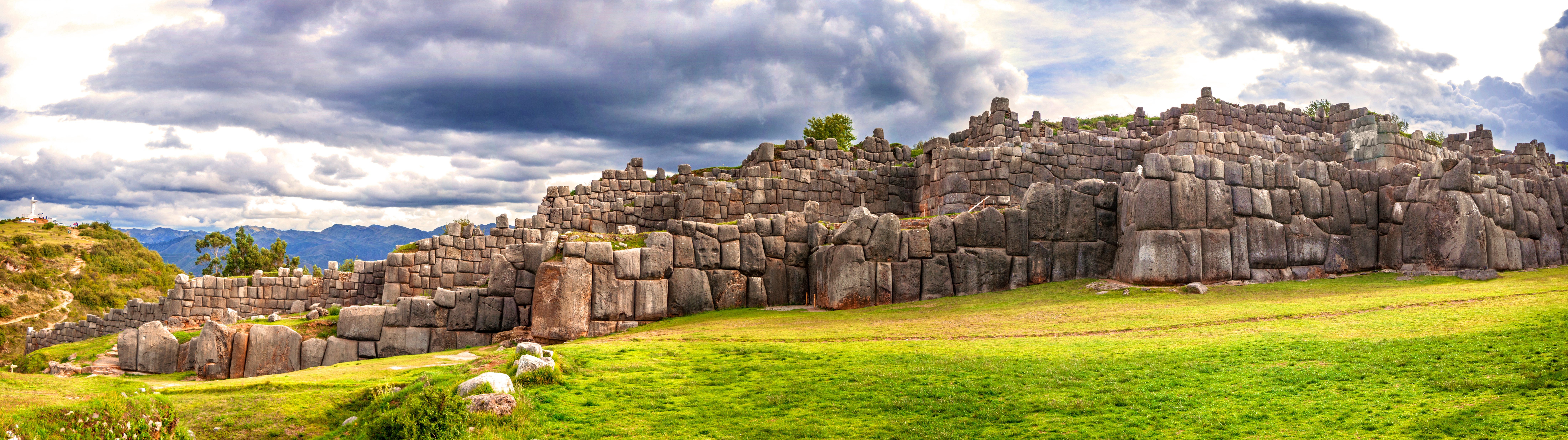
What’s most impressive at Sacsayhuamán are the enormous stone blocks, stacked in a zigzag along three levels of walls.
- The size. Some of these stones weigh more than 120 tons (the weight of more than 20 adult elephants) and stand more than 8 meters tall.
- The logistics. The stones are thought to have been brought from a quarry several kilometers away. How did the Incas move, lift and set these blocks without the wheel or large draft animals? It’s a secret of Inca engineering that still puzzles archaeologists.
A perfect fit, without mortar
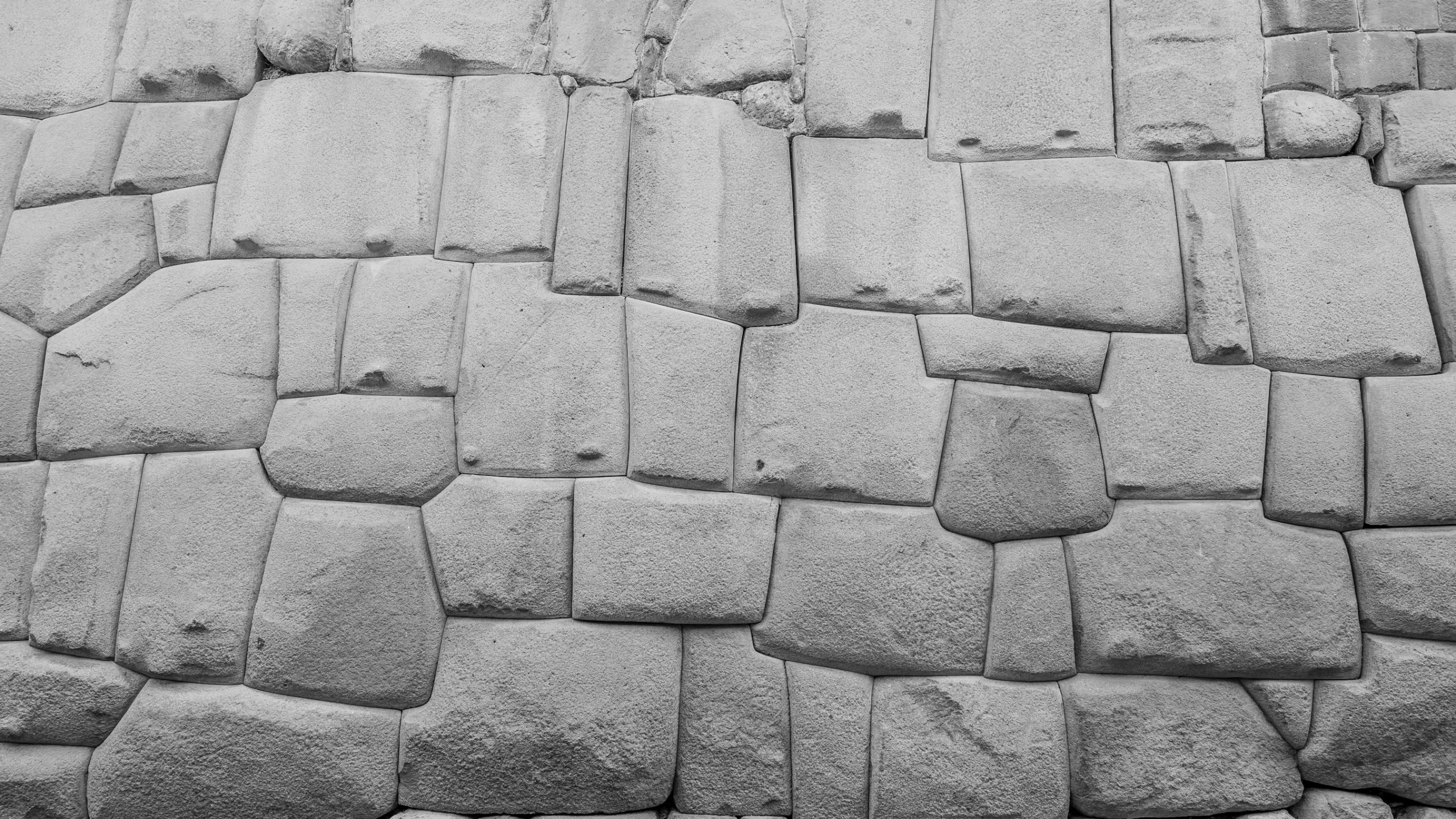
What really sets Sacsayhuamán (and other Inca sites) apart is how precisely the stones fit together.
- Earthquake resistance. The blocks were cut to fit together perfectly, with no mortar or cement. The technique is known as ashlar masonry.
- The paper test. It’s said that you can’t slip a sheet of paper between the joints of many of these stones. This exact fit has helped the walls survive centuries of earthquakes in a highly seismic region and stay standing.
The hidden shape: lightning and the puma’s head
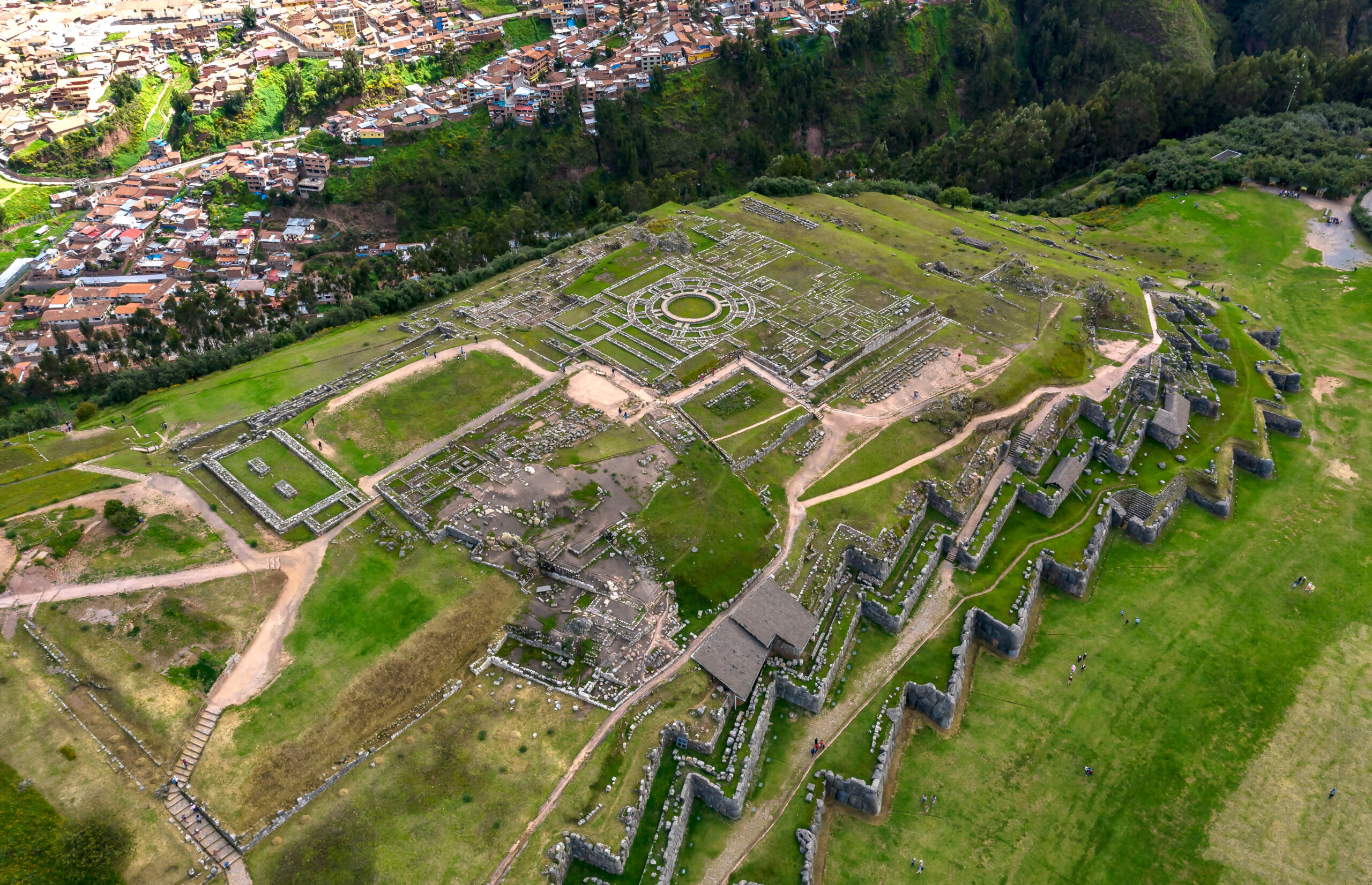
Sacsayhuamán was much more than a fortress: it was also an important religious center.
- The puma’s head. The city of Cusco was laid out in the shape of a puma, a sacred animal for the Incas. The Sacsayhuamán hill represents the puma’s head, and the zigzag walls are believed to symbolize its teeth or bolts of lightning.
- Observatory and worship. Besides defense, the site is believed to have been an astronomical observatory and a place of worship for the Sun god (Inti) and for Illapa, the god of lightning.
A mystery to see up close
Only by seeing Sacsayhuamán in person can you grasp the scale of the work and the skill of the Inca builders. We guarantee you’ll leave with the question in your head: how did they do it?
Planning to visit Sacsayhuamán?
We’re a local agency in Cusco, registered with MINCETUR since 2003, with English-speaking guides. Sacsayhuamán is part of our Cusco City Tour, ideal for the first day of your trip.