
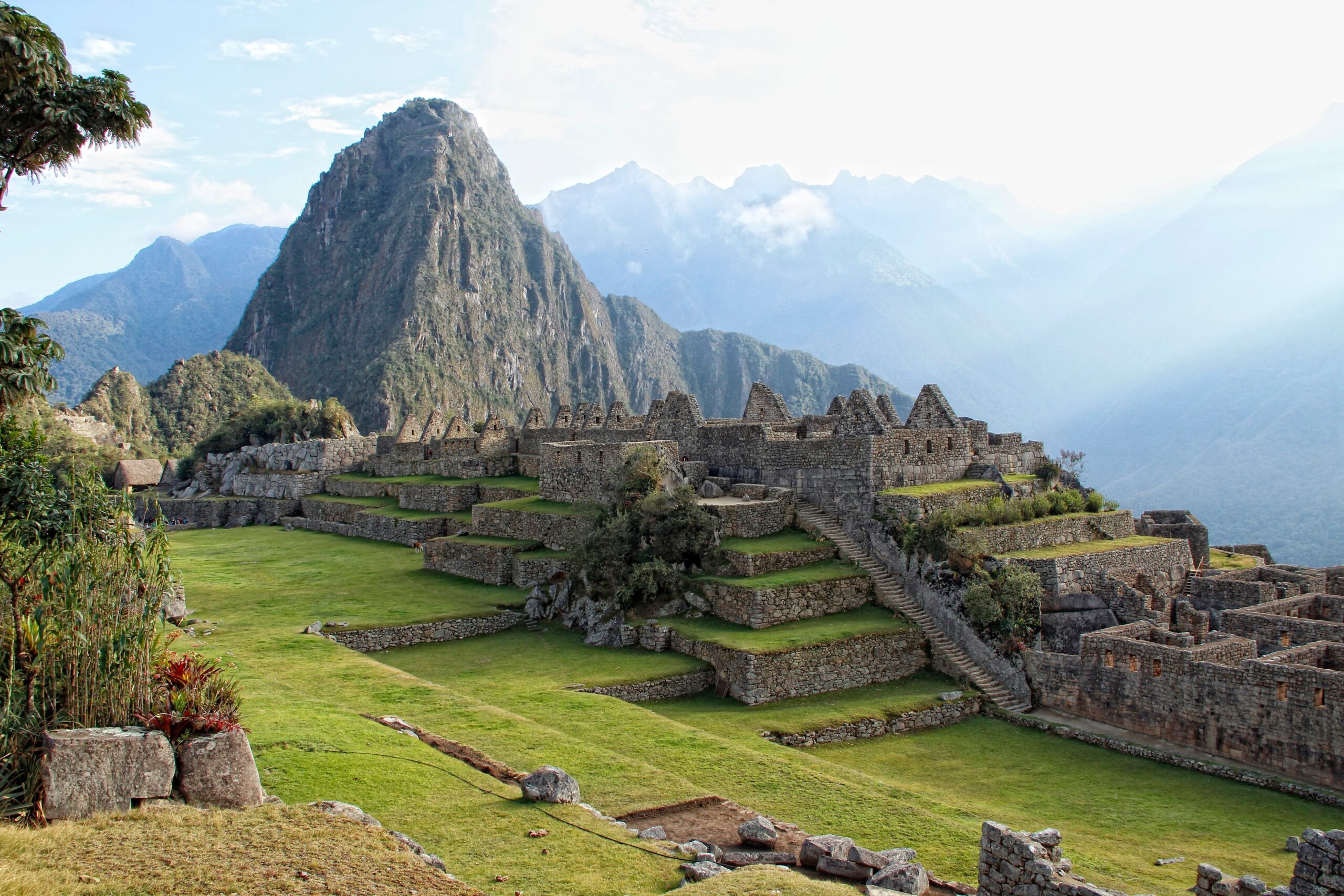
Machu Picchu is a UNESCO World Heritage Site, and looking after it is everyone’s responsibility. Mass tourism is vital for Cusco, but it’s a constant threat to the integrity of the ruins and the fragile ecosystem around them.
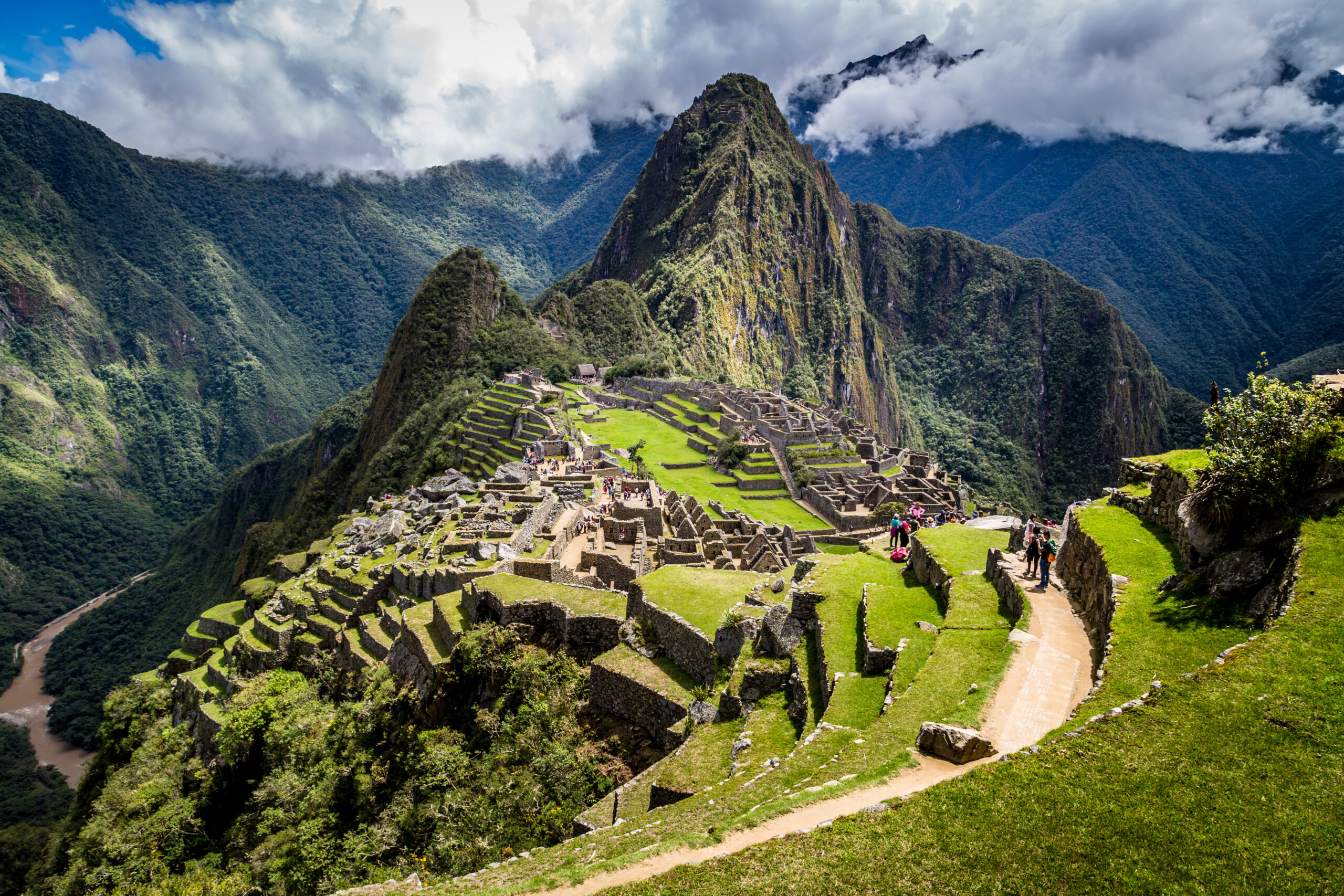
If you want your visit to leave a positive contribution, and not just a footprint, this is the Tari Tours guide to an ethical and sustainable visit to Machu Picchu.
1. Minimal impact: the golden rule inside the citadel
The sanctuary is preserved thanks to strict rules that aim to reduce human wear on the centuries-old stone.
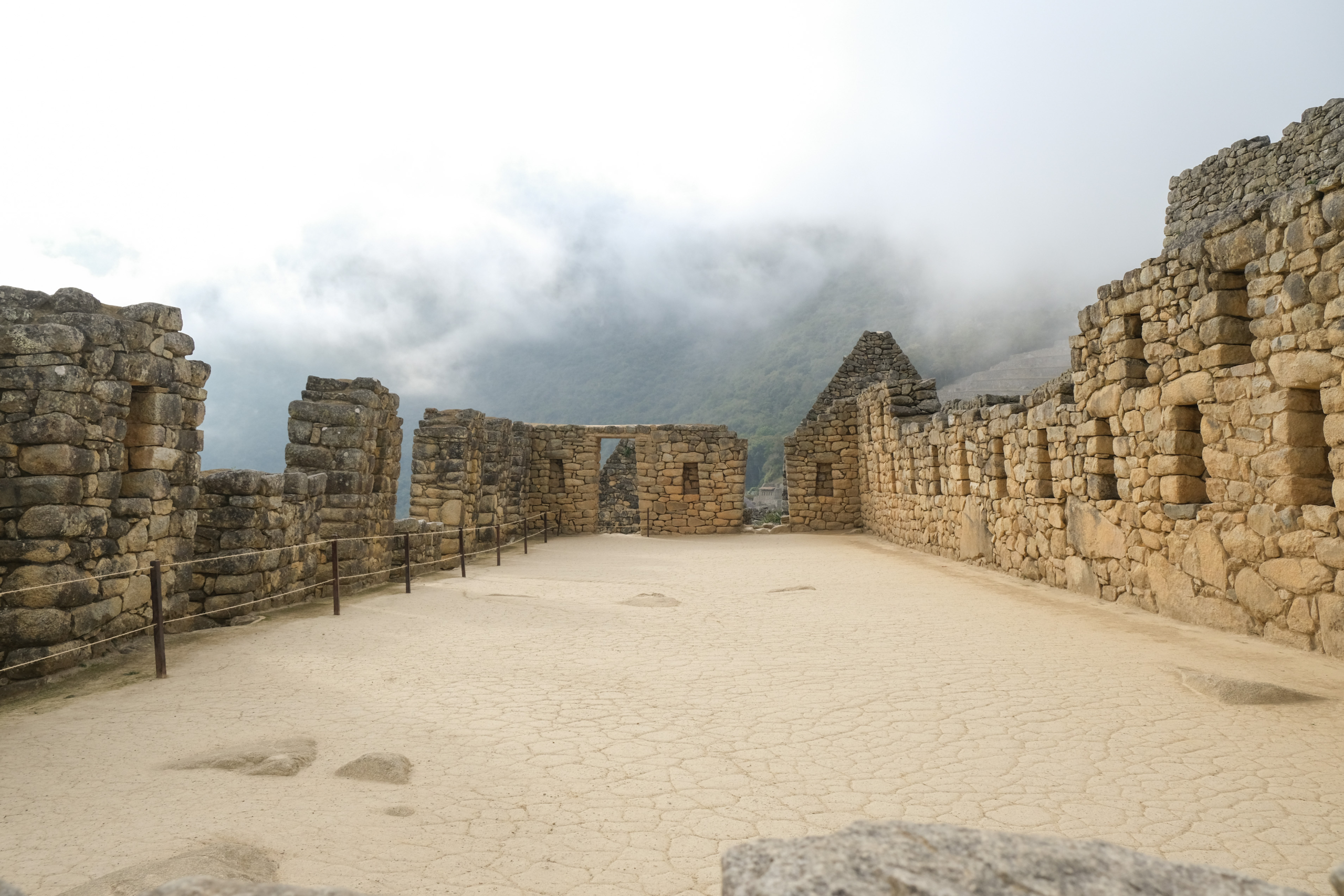
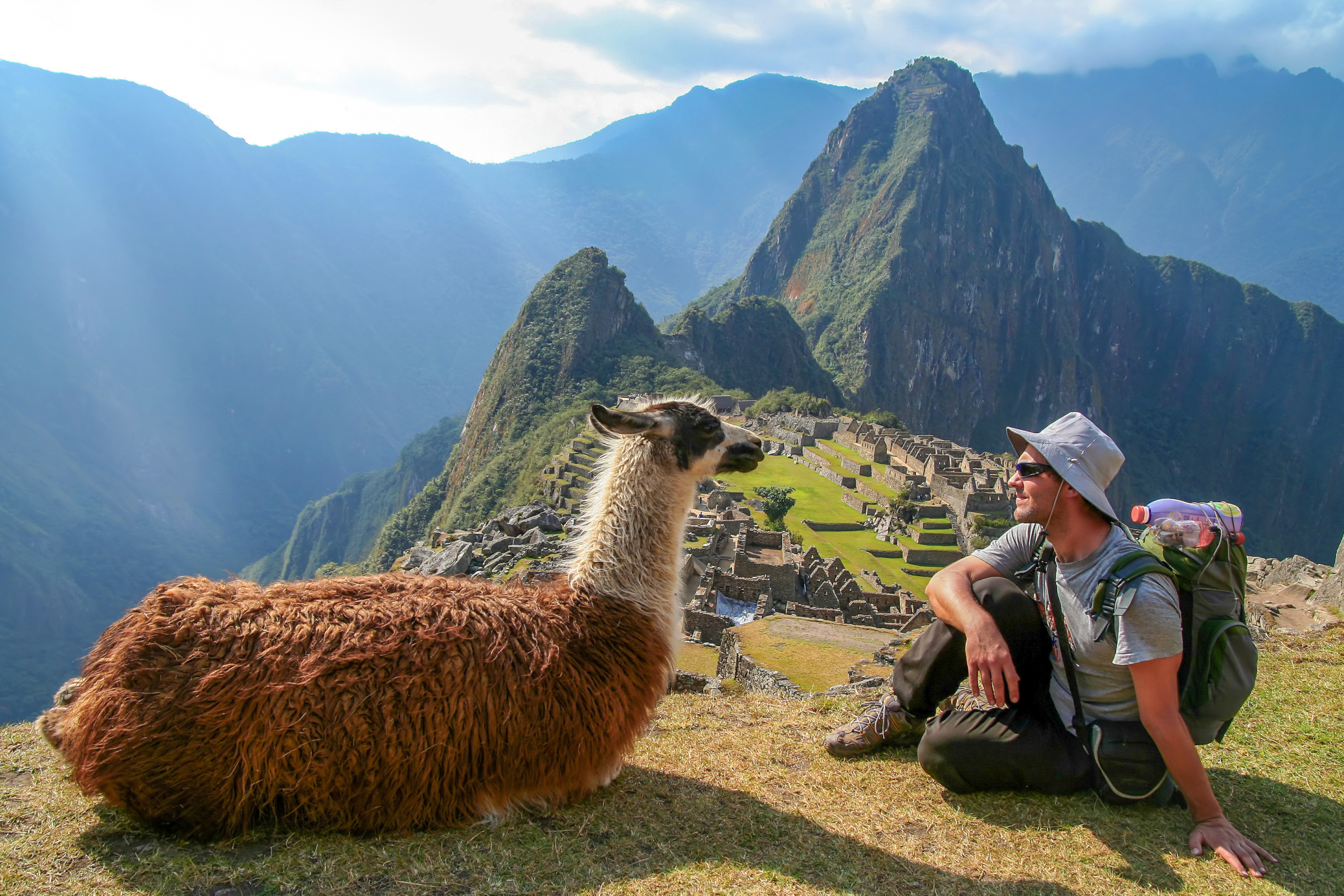
- Don’t touch, don’t climb. The basic rule is simple: never touch, sit on or climb the Inca walls. Physical contact (and the oil from your hands) wears down the stone over time.
- Stay on the circuits. Entry follows set circuits (circuits 1, 2 and 3), and you have to stick strictly to the marked path. Leaving the route causes soil erosion and exposes the ruins to needless damage.
- Zero waste. There are no trash cans inside the citadel. Carry all your trash (bottles, wrappers) with you to the bins outside the complex or in Aguas Calientes.
2. Sustainable travel: the ecological factor
Your trip to the high jungle has an environmental impact, but you can reduce it with smart choices.
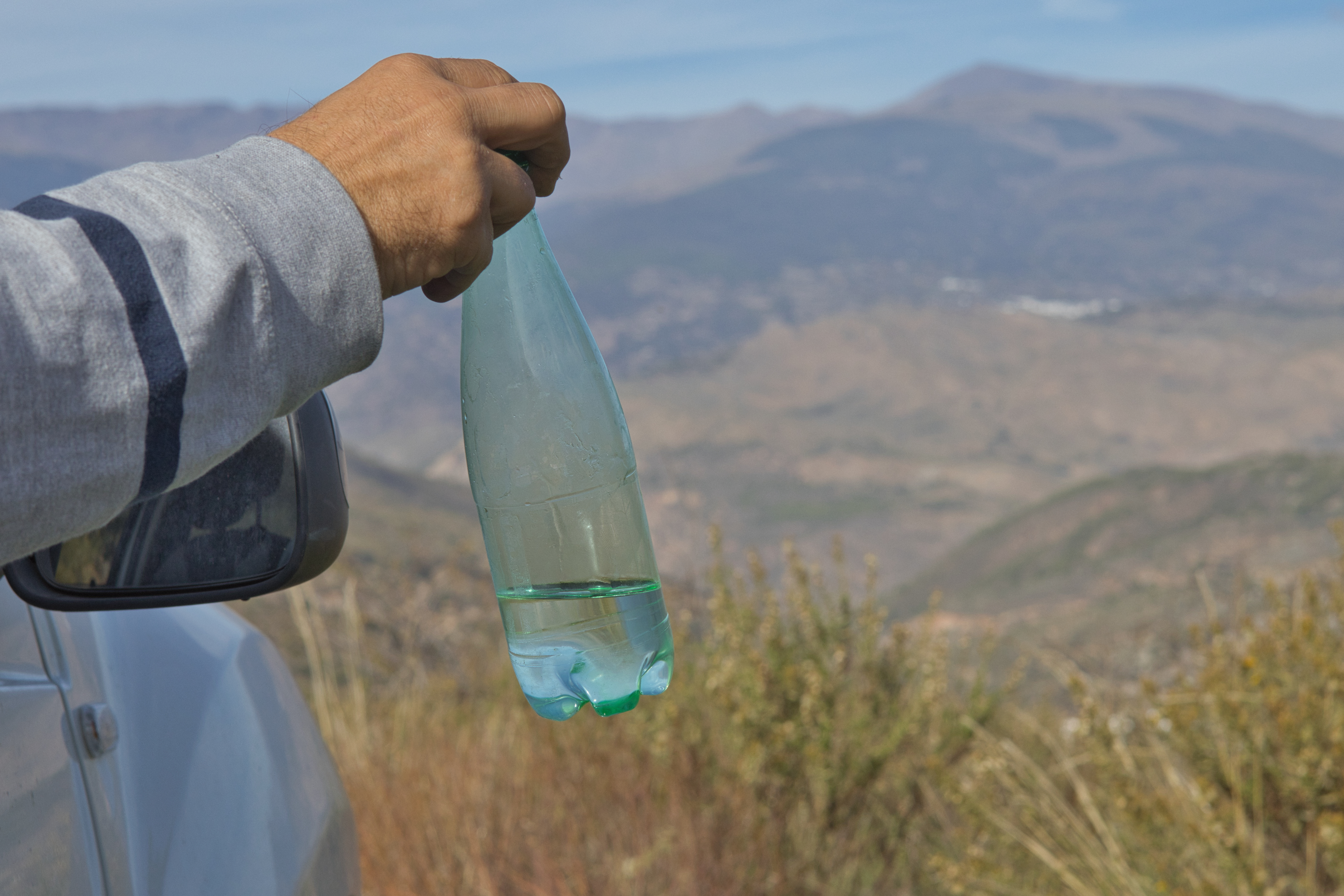
- Reusable bottle. Skip single-use plastic bottles and bring your own water bottle. Guides and hotels can help you refill it with safe (boiled) water.
- The train is the best option. If your budget allows, take the train. Rail travel (PeruRail or Inca Rail) is more sustainable: it produces fewer carbon emissions and less road traffic than the overland routes (such as the one via Hidroeléctrica).
- Getting around locally. In Aguas Calientes, walk. The town is small and you can do everything on foot, with no need for taxis or mototaxis.
3. Choose an ethical tour: the human factor
A sustainable trip also has to be ethical: your money should benefit local communities, not large corporations.
- Support porters and guides. If you’re doing a trek like the Inca Trail, make sure the agency guarantees fair pay, proper equipment and rest for the porters. Ask about the working conditions of the support team.
- Local crafts. Buy souvenirs at artisan markets (such as the San Blas Market), so the money goes straight to the people who make them, and avoid imitations imported from China.
- Respect the culture. Ask permission before photographing local people (especially children and the elderly). If they ask for a small payment, pay kindly and respectfully.
Your contribution to history
Traveling responsibly isn’t harder, it just takes awareness. By choosing sustainability, you help make sure Machu Picchu keeps amazing future generations.
Want to visit Machu Picchu with a local agency?
We’re a local agency in Cusco, registered with MINCETUR since 2003, with English-speaking guides. We arrange your Machu Picchu visit and treks with a real commitment to caring for Andean heritage.