
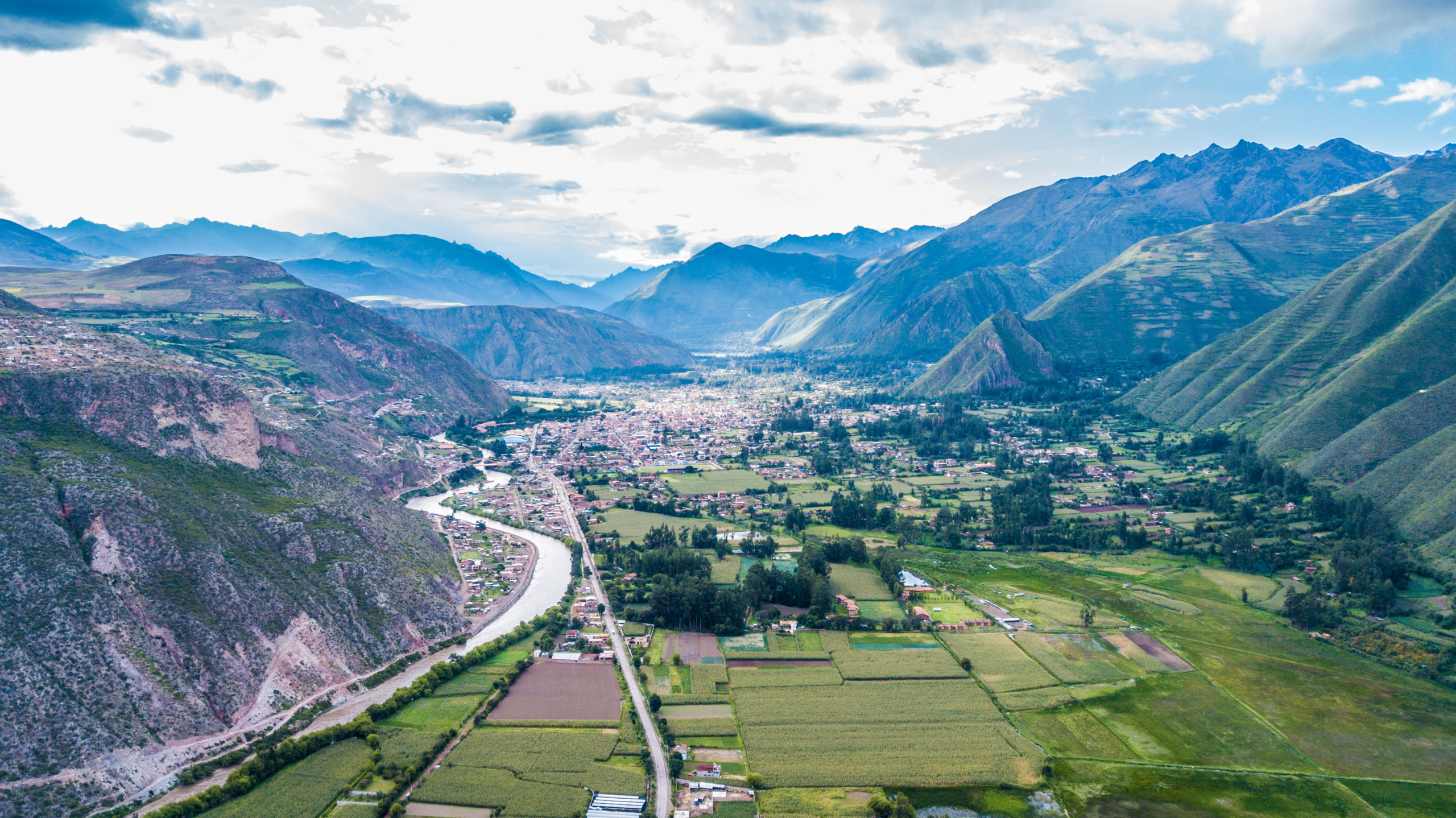
The Sacred Valley of the Incas is too big for a single stop. It runs along the Urubamba River in the Cusco region and brings together Inca ruins, Andean villages and farming terraces. It’s the backbone of any trip to Cusco.
When you book the tour, you’ll basically find two routes: the classic tour and the full tour (also called VIP), which adds Maras and Moray. Both visit impressive places, but what you see in one day is quite different. Below we explain each one so you can choose.
What the Sacred Valley is
The Incas quickly saw how rich this valley was: a mild climate, fertile soil and water from the Urubamba River. They built systems of andenes, farming terraces you can still see today, to grow corn, potatoes, quinoa and other crops that fed the empire.
Today the valley holds major archaeological sites, villages with traditional markets and mountain scenery. The best-known stops are Pisac, Ollantaytambo, Chinchero, Moray and Maras; further down we explain what you’ll find at each one.

1. Classic tour: the essential route
This is the oldest and most straightforward option. It focuses on the biggest ruins and takes one day, with the return to Cusco in the evening.
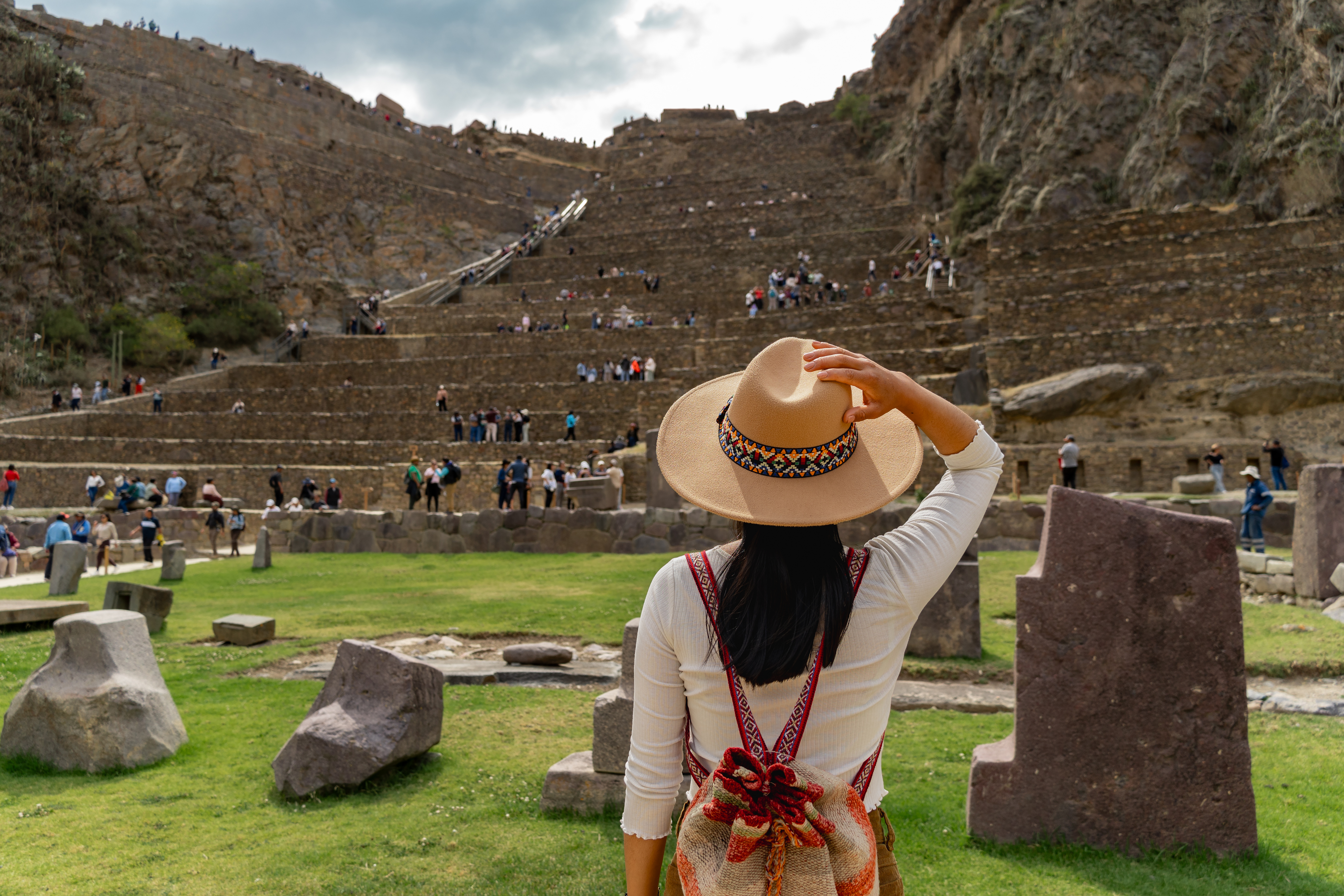
- Stops. Pisac (ruins and market), lunch in Urubamba, Ollantaytambo (the fortress town) and Chinchero.
- Focus. History, military architecture and ceremonial centers.
- Pros. It’s the cheapest option if you only pay for transportation, and it covers the essential Inca sites.
- Cons. Time at each site tends to be short, and it leaves out two of the most photogenic stops in the region: Moray and Maras.
2. Full tour (VIP): the route with Maras and Moray
This is the route we recommend, whatever the agency calls it: full or VIP. It takes a little longer, but what you see makes it worth it.
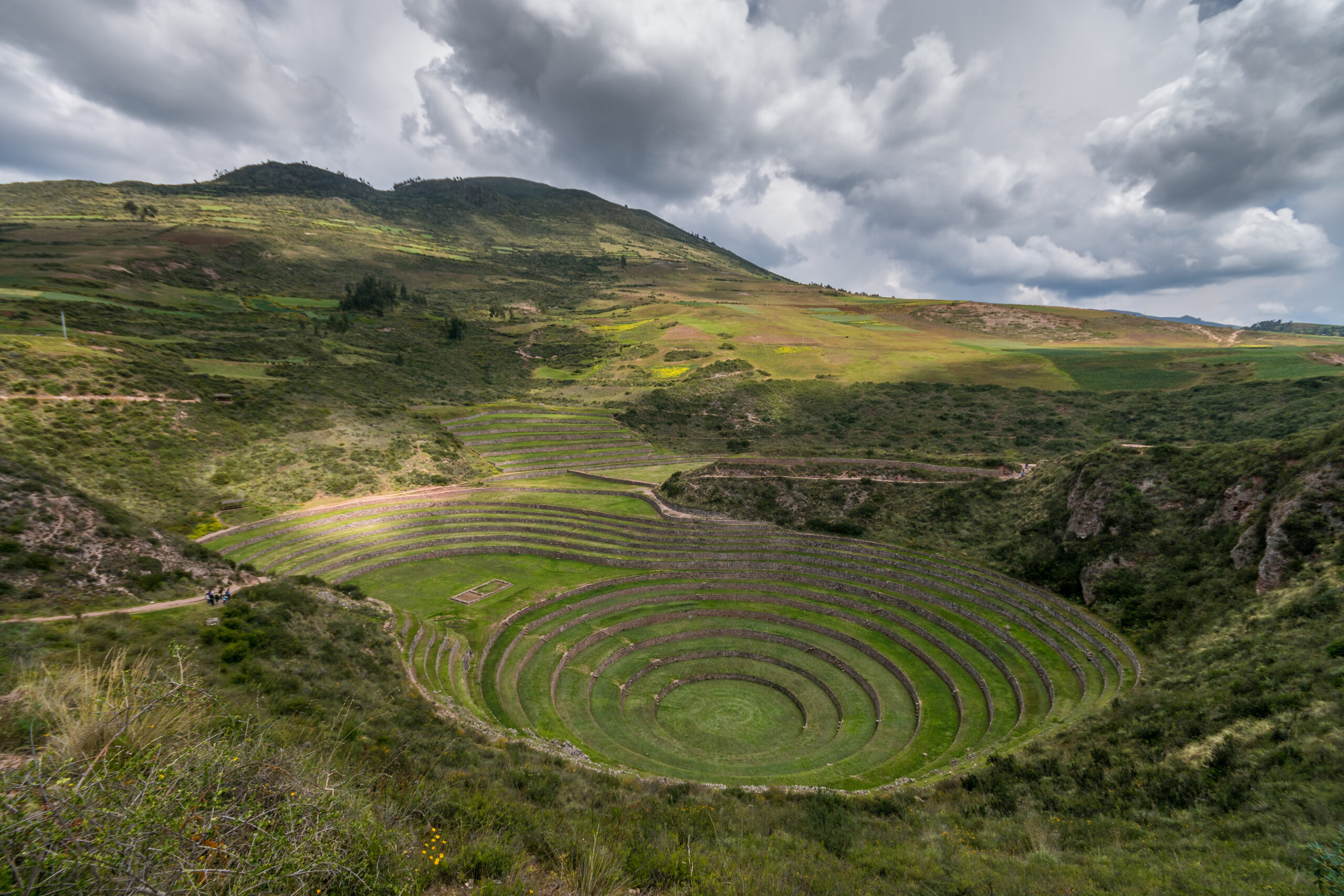
- Stops. Pisac, Ollantaytambo, Chinchero (weaving tradition) and, most importantly, the Maras salt mines and the circular terraces of Moray.
- Focus. Farming engineering, geology (the salt mines) and living culture (the Chinchero textiles).
- More value. You see the Inca «farming lab» (Moray) and the striking Maras salt mines.
- Better photos. After Rainbow Mountain, these are the most photographed spots in the region.
- Pairs well with Machu Picchu. It’s the route that fits best on the way to Machu Picchu, as in the Sacred Valley with connection to Machu Picchu (2 days) option.
Comparison: classic tour vs full tour
| Feature | Classic tour | Full tour (VIP) |
|---|---|---|
| Length | Full day (about 9 hours) | Full day (about 10 to 11 hours) |
| Main sites | Pisac, Ollantaytambo, Chinchero | Pisac, Ollantaytambo, Chinchero, Moray and Maras |
| Engineering | Focus on ceremonial architecture | Focus on hydraulic and farming engineering |
| For the traveler | The essentials | The richest, most complete day |
What you see at each stop
Pisac
An archaeological complex with farming terraces and an astronomical observatory. The village has a craft market with textiles, pottery and jewelry.
Ollantaytambo
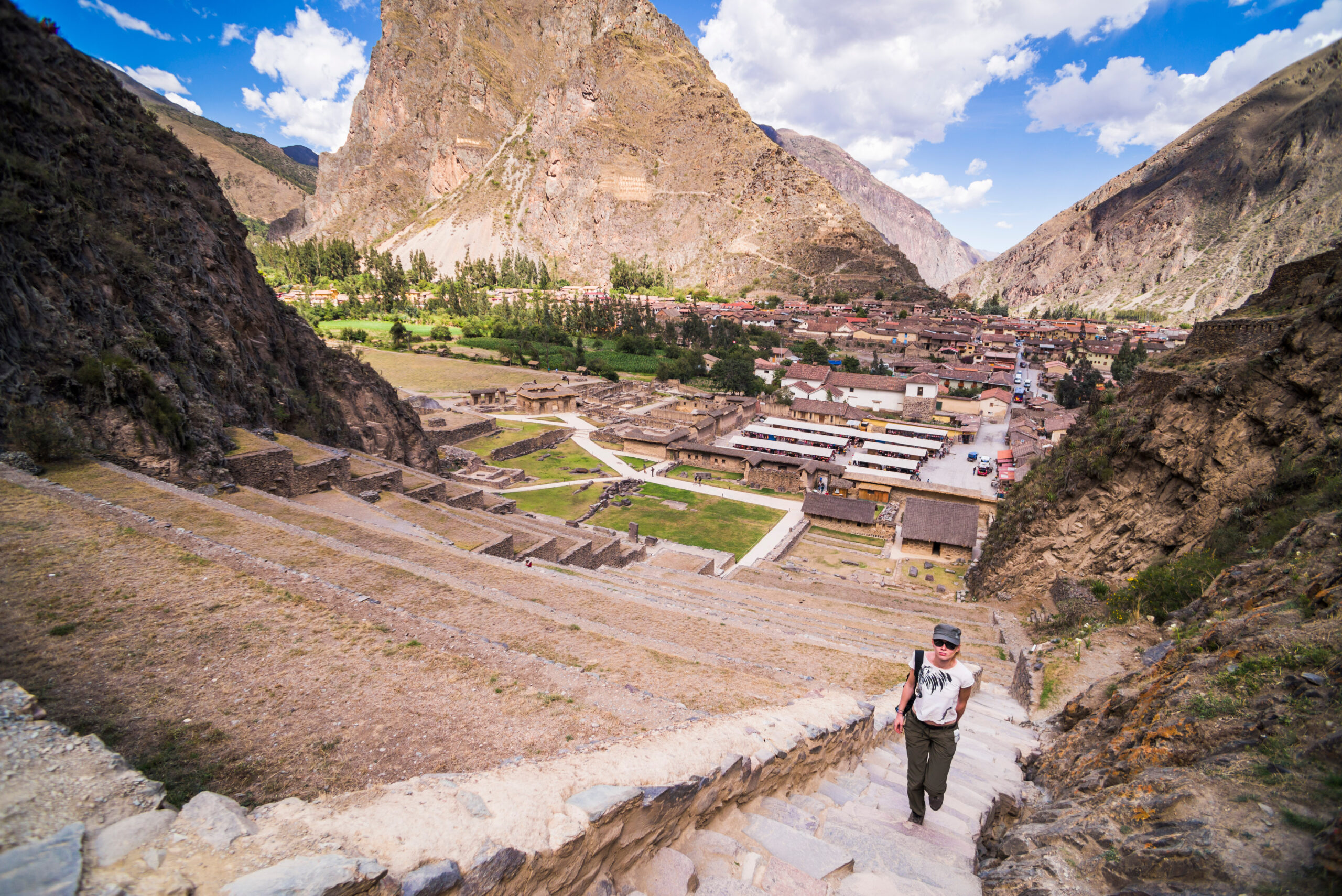
An ancient fortress that served as a military and administrative center. Its stone walls and farming terraces are impressive.

Chinchero
A colonial village with a traditional market, a colonial-era church and a strong weaving tradition.

Moray
A set of concentric circular terraces believed to have worked as an Inca farming lab.

Maras
A village known for its salt mines (Salineras de Maras), used since Inca times to produce salt.
Beyond the ruins
- Local markets. Fresh produce, crafts and souvenirs.
- Adventure sports. Rafting, mountain biking and paragliding are options if you want more adrenaline.
- Local food. Try typical dishes like lomo saltado, fried trout and cuy chactado.
- Train to Machu Picchu. Taking the train from the valley is another way to reach the Inca citadel, with the valley scenery out the window.
Our recommendation
If you’re short on time but want to make the most of it, the full tour is the best investment. It shows you much more of Inca technology, plus landscapes you won’t see anywhere else.
Travel tips
- The best time to visit the Sacred Valley is the dry season, from May to September.
- From Cusco, you can reach the valley by bus, train or taxi.
- The valley has places to stay for every budget, from luxury hotels to budget hostels.
- Wear comfortable clothes and good walking shoes.
Before doing anything physical in the valley, give your body time to adjust to the altitude.
Which Sacred Valley tour should you choose?
We’re a local agency in Cusco, registered with MINCETUR since 2003, with English-speaking guides. We run the classic tour, the full tour with Maras and Moray, and the Sacred Valley connection to Machu Picchu.