

Music is the soul of the Andes. From the melancholy sound of flutes high in the mountains to the lively rhythms of the festivals in the Plaza de Armas, Andean music is a living language, tied to Inca history and to the landscape itself.
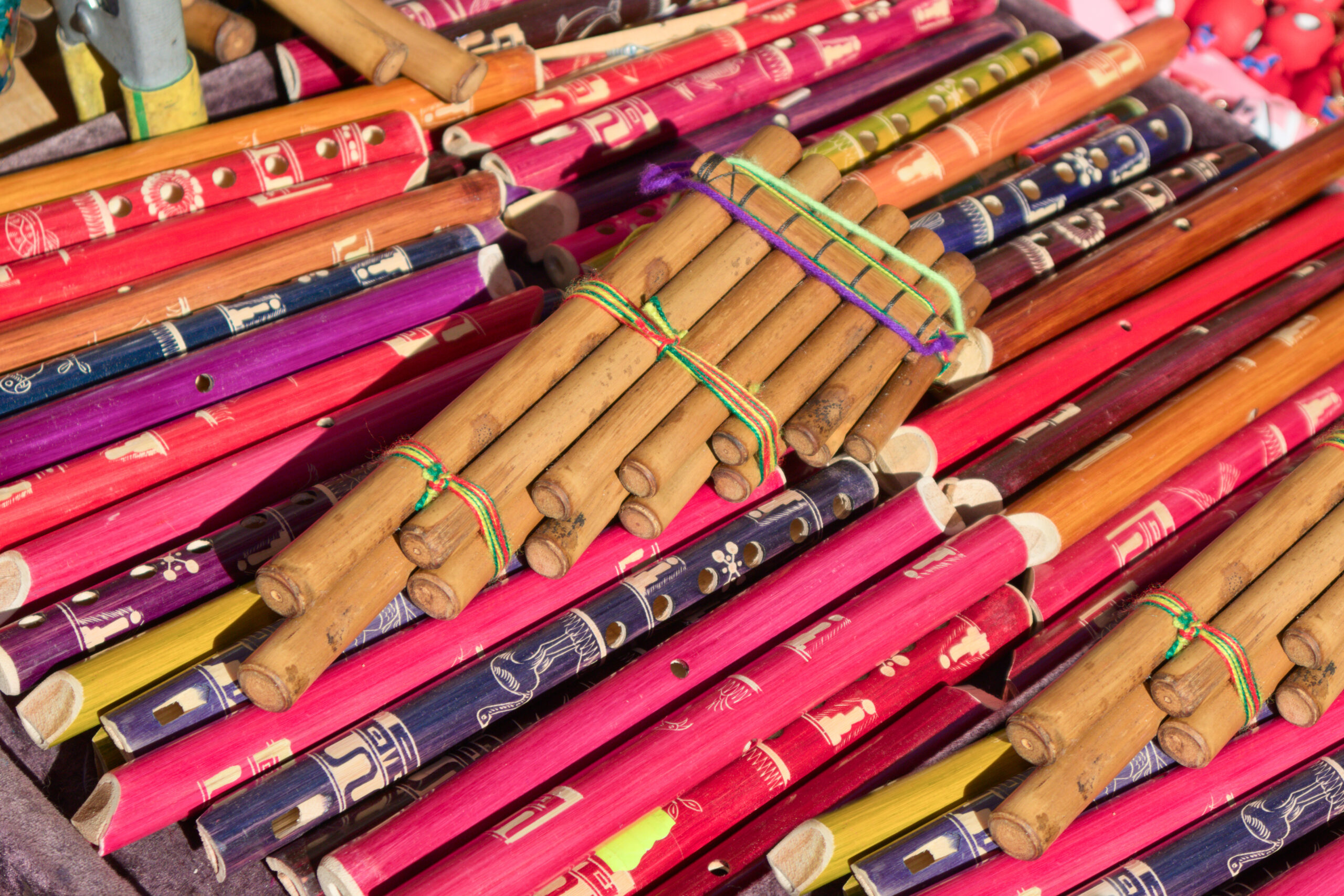
If you want to get to know the local culture up close, this Tari Tours guide introduces the main instruments and shows you where to hear the soundtrack of Cusco.
1. The instruments: the sound of the wind
Andean music is defined by wind instruments, which echo the wind that sweeps through the valleys and peaks.
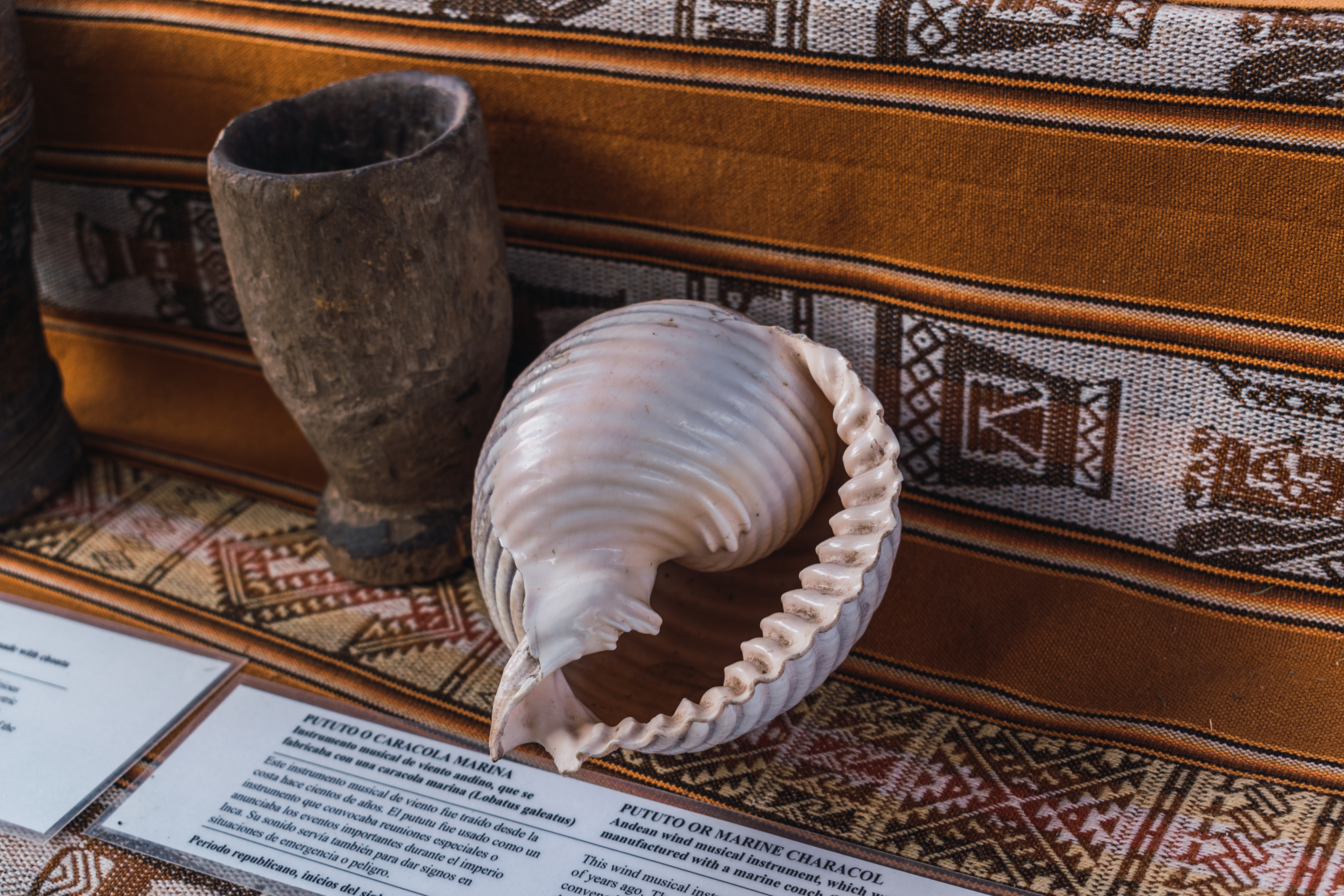
- Quena. A cane flute without a mouthpiece and one of the oldest instruments. It has a sweet, melancholy sound and often expresses longing and deep feelings.
- Zampoña (siku). A set of panpipes with a bright sound that has become a symbol of Andean music. It’s known for being played in pairs, by two musicians, a practice that represents duality and community life (ayni, in Quechua).
- Charango. A small string instrument, similar to a mandolin or a ukulele. Traditionally, its sound box was made from the dried shell of an armadillo, which gives it a high, cheerful sound, perfect for folk dances.
2. Music and the Inca worldview: ayni
In the Andes, music was never just entertainment: it goes along with work in the fields and with community life.
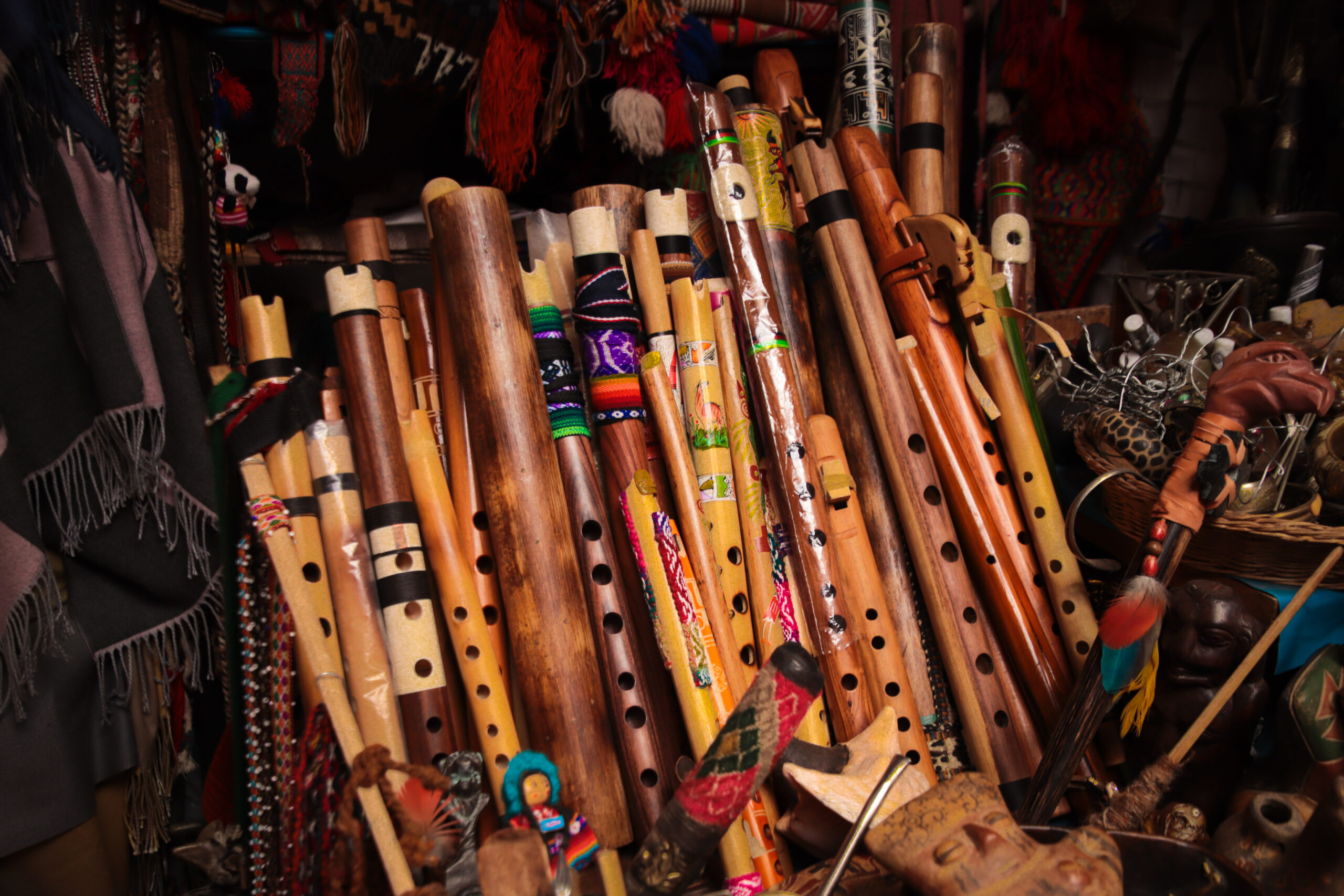
- Planting music. There were specific melodies for planting and harvest, asking for the blessing of Pachamama (Mother Earth).
- Dance and community. Traditional music is played in groups. Playing the siku in pairs (one musician plays the even notes and the other the odd ones) reinforces the Andean idea of ayni, reciprocity: without the community, there is no life.
3. Where to hear Andean music in Cusco
Watching a live performance, especially at night, is the best way into this culture.
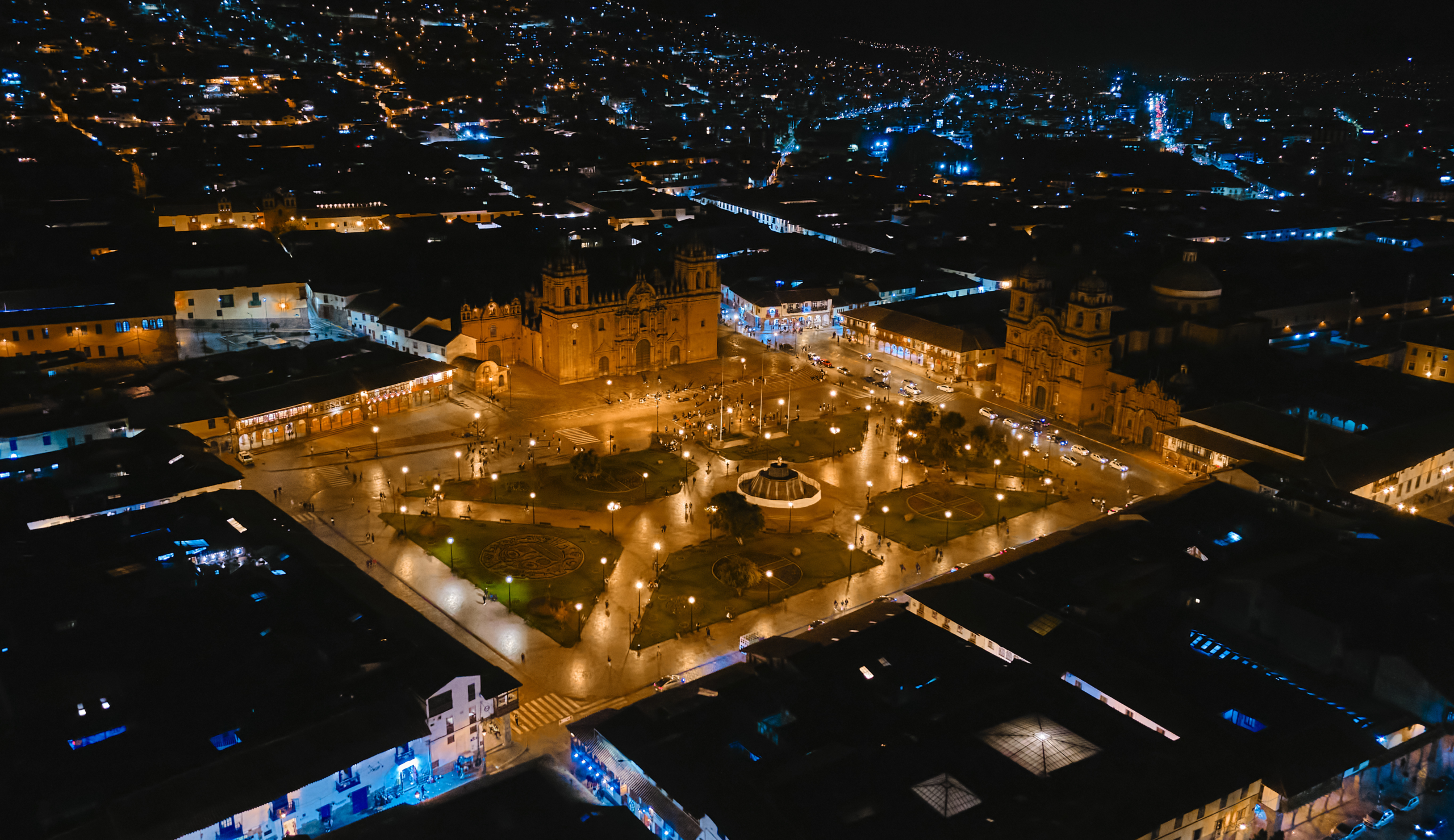
- Plaza de Armas, at night. On many nights, street musicians and dancers gather in the square and put on small, lively, free shows.
- Centro Qosqo de Arte Nativo. The most formal, highest-quality place to see live folk dance and music, with costumes, choreography and songs from the different regions of Cusco and Peru.
- Dinner-show restaurants. Several tourist restaurants in central Cusco serve dinner with live Andean music and dance. That way you enjoy the local food and the local arts on the same night.
4. A souvenir to take the sound home
If you fall in love with the music, you can take an instrument home in your suitcase.
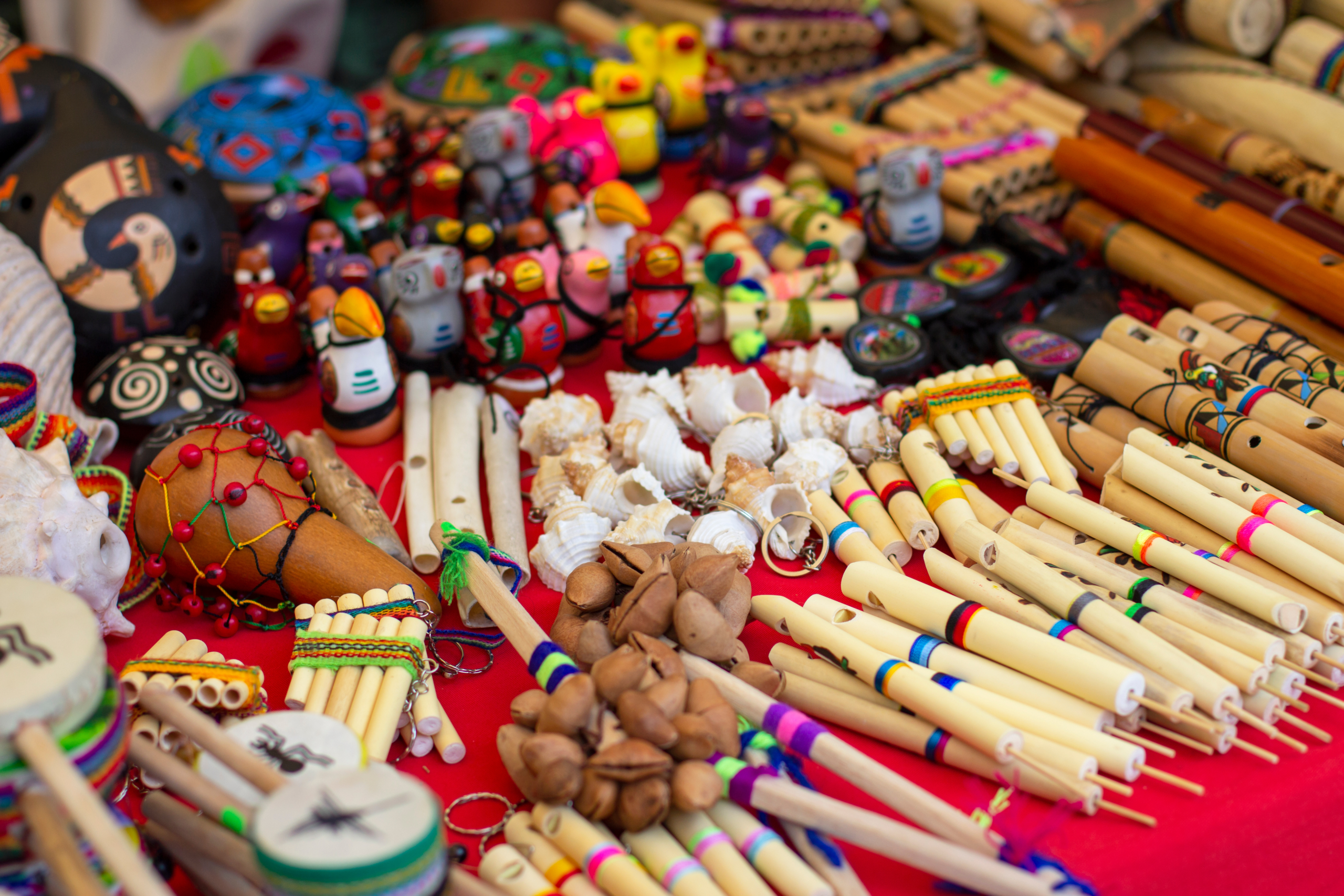
Craft markets such as San Blas or Pisac sell quenas, zampoñas and charangos for every budget. Besides being a lovely souvenir, your purchase supports local artisans.
The rhythm of history
Let the sound of the Andean wind be the soundtrack of your trip to Machu Picchu: a constant reminder of Cusco’s living culture.
Want to add an Andean show to your itinerary?
We’re a local agency in Cusco, registered with MINCETUR since 2003, with English-speaking guides. We recommend the best Andean music and dance shows and arrange your tours in Cusco and the Sacred Valley, with a stop at the Pisac market.