
In Cusco, Inca history isn’t only in the ruins. It’s a living culture that shows up in ceremonies and customs practiced every day.
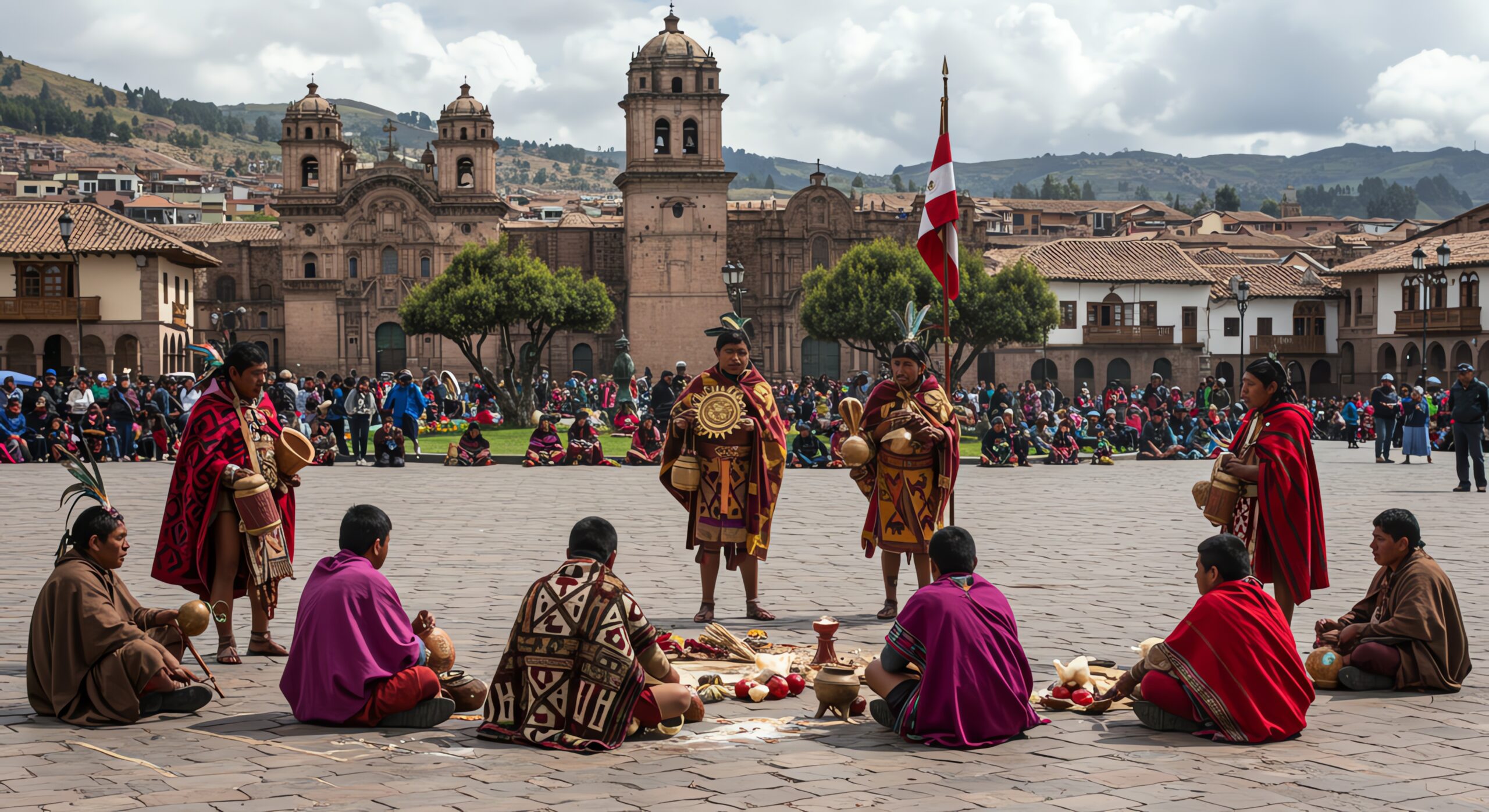
From giving thanks to Mother Earth to cleansing with herbs, these rituals help you understand the spiritual bond between Andean people and nature. Here are five rituals and customs you can witness (and sometimes even take part in) during your trip.
1. The offering to Pachamama (Mother Earth)
This is the most important ritual. Pachamama is the Andean goddess of fertility and abundance, and she is thanked for the harvest and for protection.
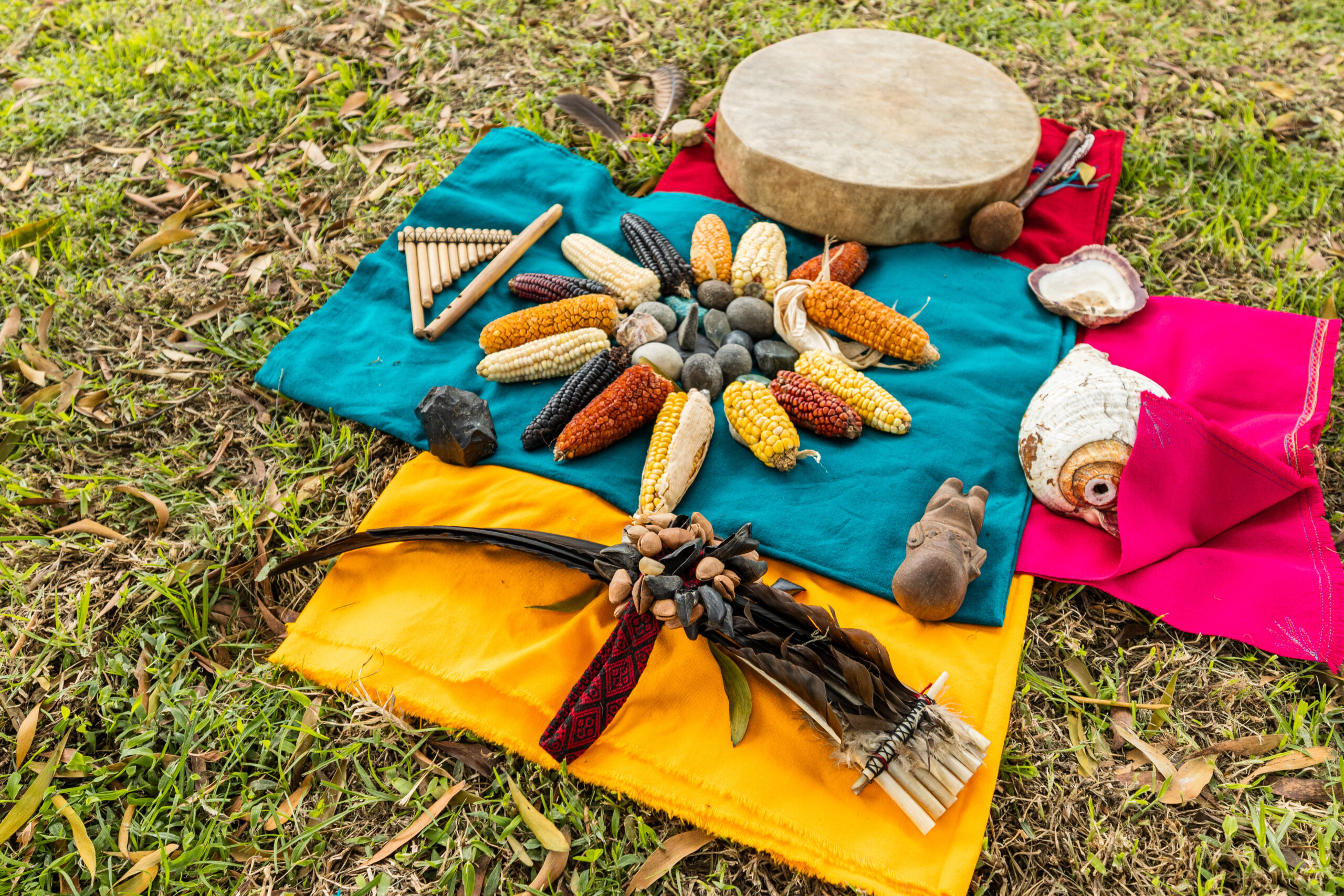
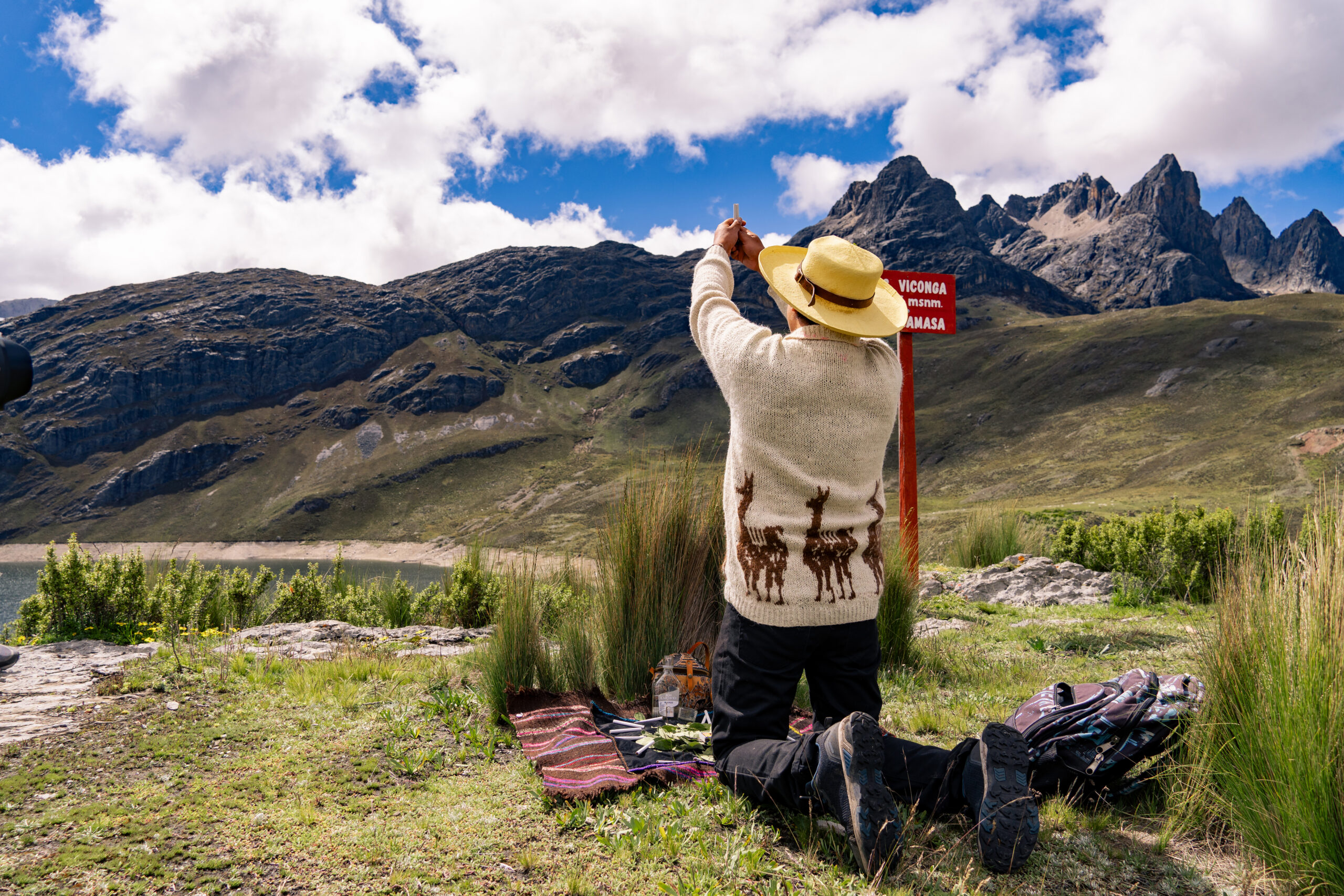
- Where to see it. It’s usually done in the countryside, before a long trek or a planting. In the city you’ll see simple versions: a small offering, such as a coca leaf, left on the ground before a meal or a drink.
- The offering. The “pago” (payment) to Pachamama is an elaborate offering of coca leaves, grains, seeds, alpaca wool and sometimes sweets.
2. Coca tea: acclimatization and respect
Coca tea (mate de coca) is more than a remedy for altitude sickness: it’s a gesture of respect and a social custom.
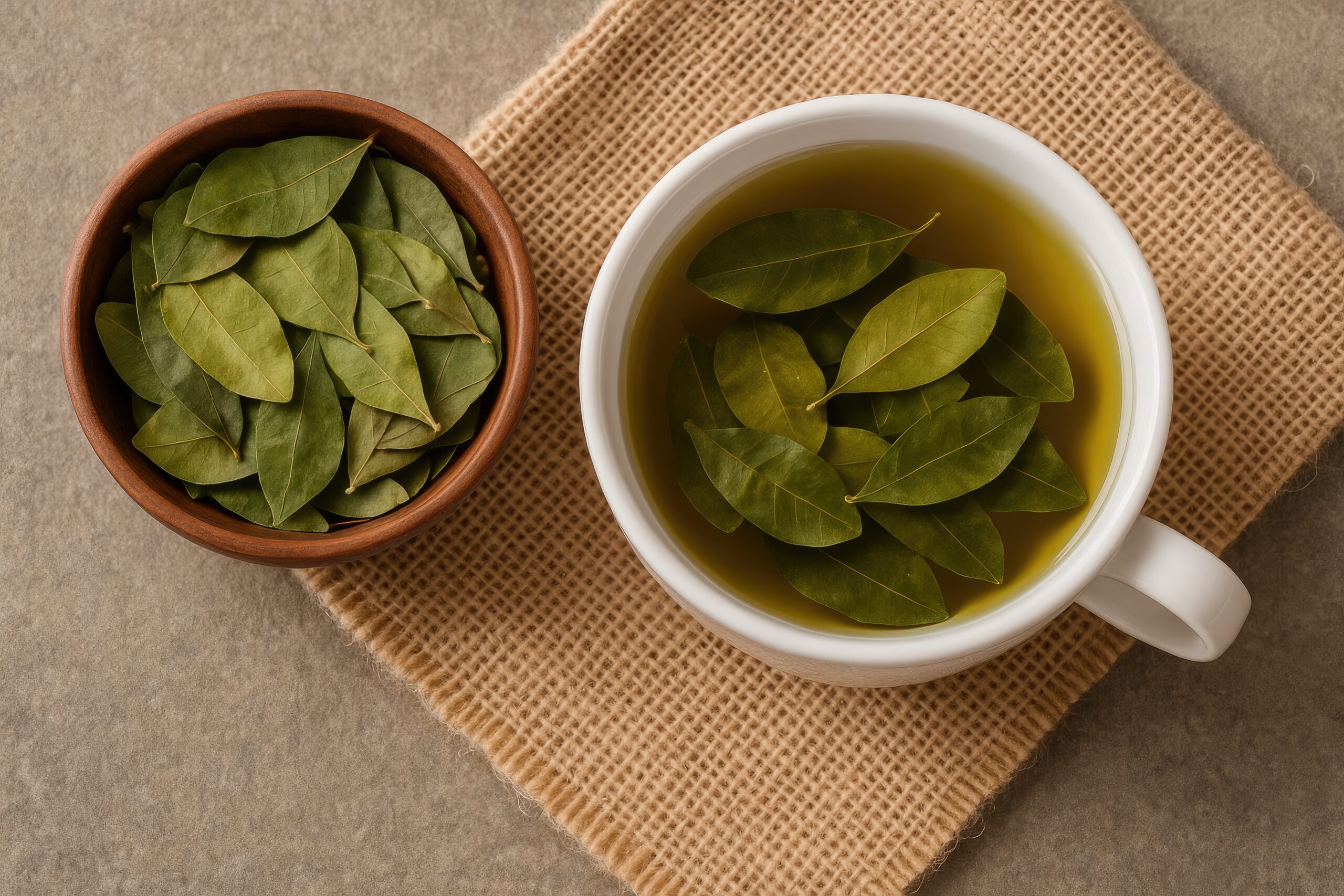
- What it is. The coca leaf was sacred to the Incas for its medicinal and energizing properties.
- The custom. When you arrive at your hotel or at the start of a high-altitude tour, you’ll be offered coca tea. Drinking it helps your body acclimatize and shows that you accept Andean hospitality.
3. The calientito toast
On cold Cusco nights, the calientito (a hot drink of tea, pisco and spices) is meant to be shared. Before the first sip, you’ll see a small ritual.
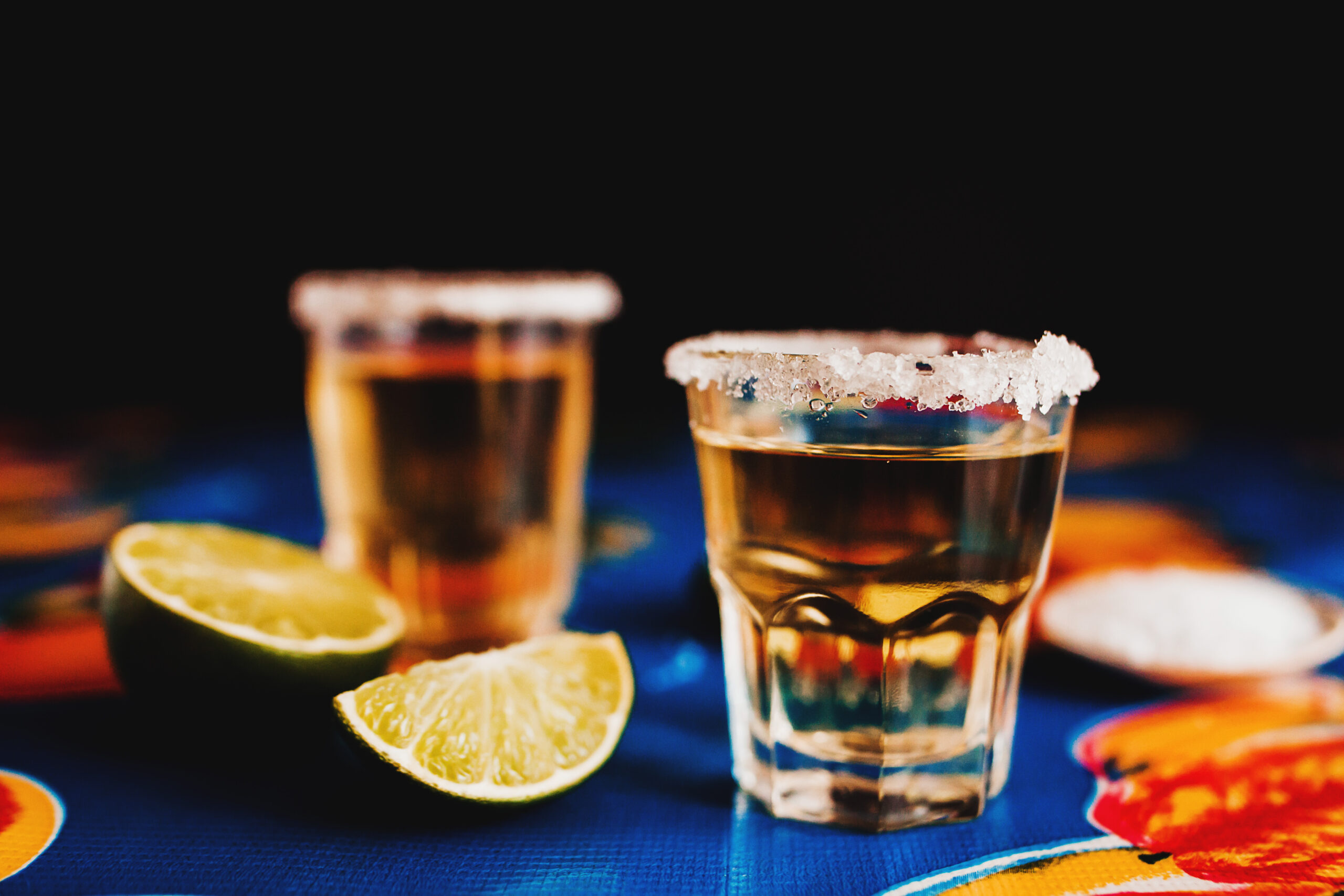
- The toast. By Andean tradition, the first splash goes on the ground (or to the side) as an offering to Pachamama and the Apus, the mountain gods, asking for permission and protection for the night.
- The meaning. It’s a gesture of humility: a reminder that the Earth is the source of everything.
4. The healer’s “limpia” (spiritual cleansing)
In some markets and on streets away from the center, you can still find healers or shamans performing limpia ceremonies, a spiritual cleansing.
- What it’s like. The healer uses a bundle of Andean herbs, flowers and sometimes animals (such as the guinea pig, or cuy, which isn’t always sacrificed) to “clean away” negative energy or bad luck.
- What to expect. It’s an intense cultural experience with a strong visual impact, where pre-Columbian mysticism blends with faith.
5. Respect for the Apus, the mountain gods
The Apus are the spirits of the snow-capped mountains, such as Salkantay and Ausangate. They are seen as protectors and givers of water.
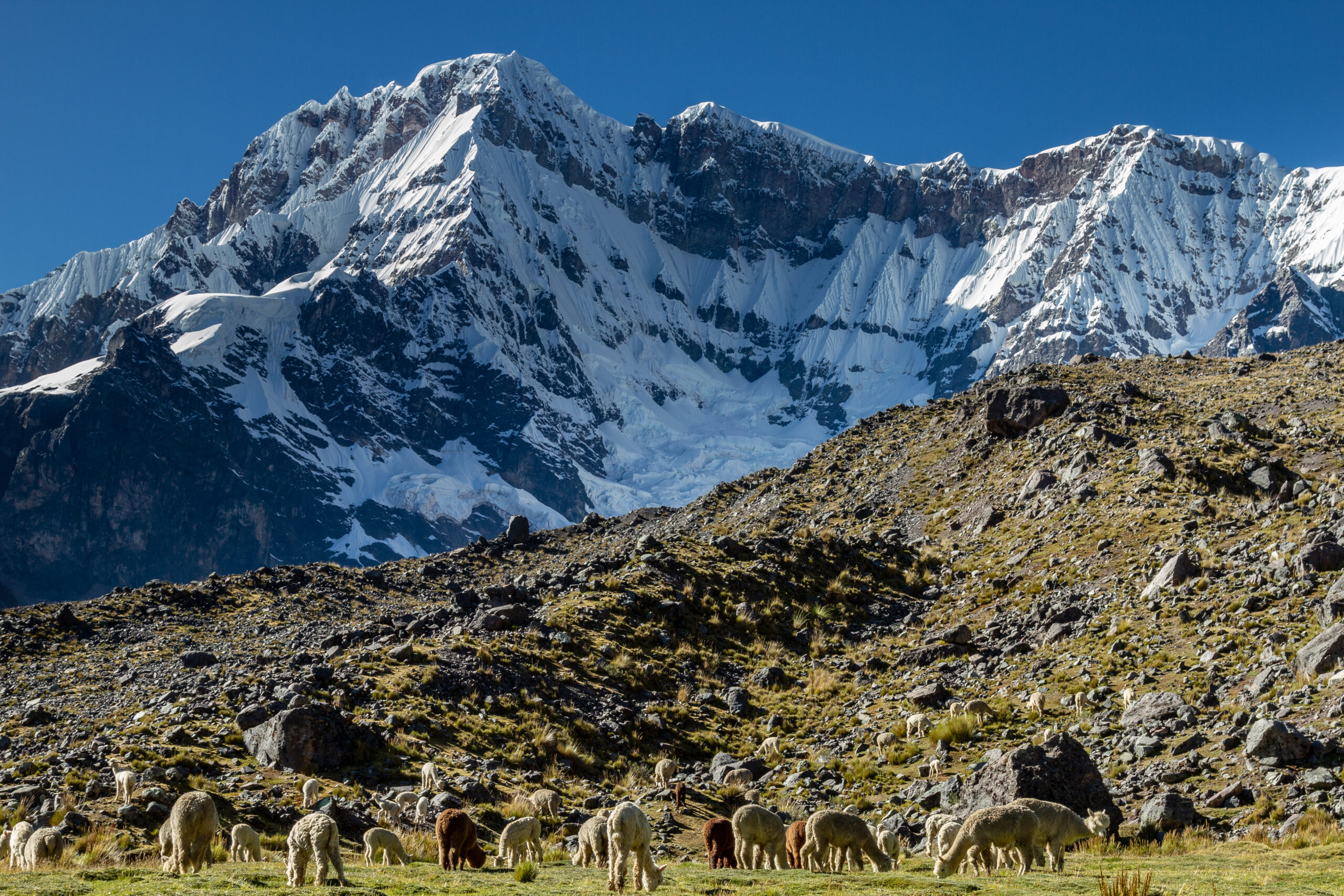
- On a trek. If you do a high-altitude hike, your guide will likely stop at the highest point of the mountain pass to make a small offering (coca leaves, sweets).
- The connection. In Andean culture, nature isn’t a resource: it’s a living being that deserves respect.
A culture that goes beyond the stones
A trip to Cusco is a chance to go beyond history and get to know Andean spirituality up close, still alive in the daily life of the region.
Want to see these rituals with a local guide?
We’re a local agency in Cusco, registered with MINCETUR since 2003, with English-speaking guides. We run cultural tours and high-altitude treks with guides who know and respect these traditions.