

Machu Picchu tickets are sold by time slot. And the slot you choose decides more than when you walk in: it decides the light in your photos, the chance of fog and, above all, how many people you’ll share the circuits with.
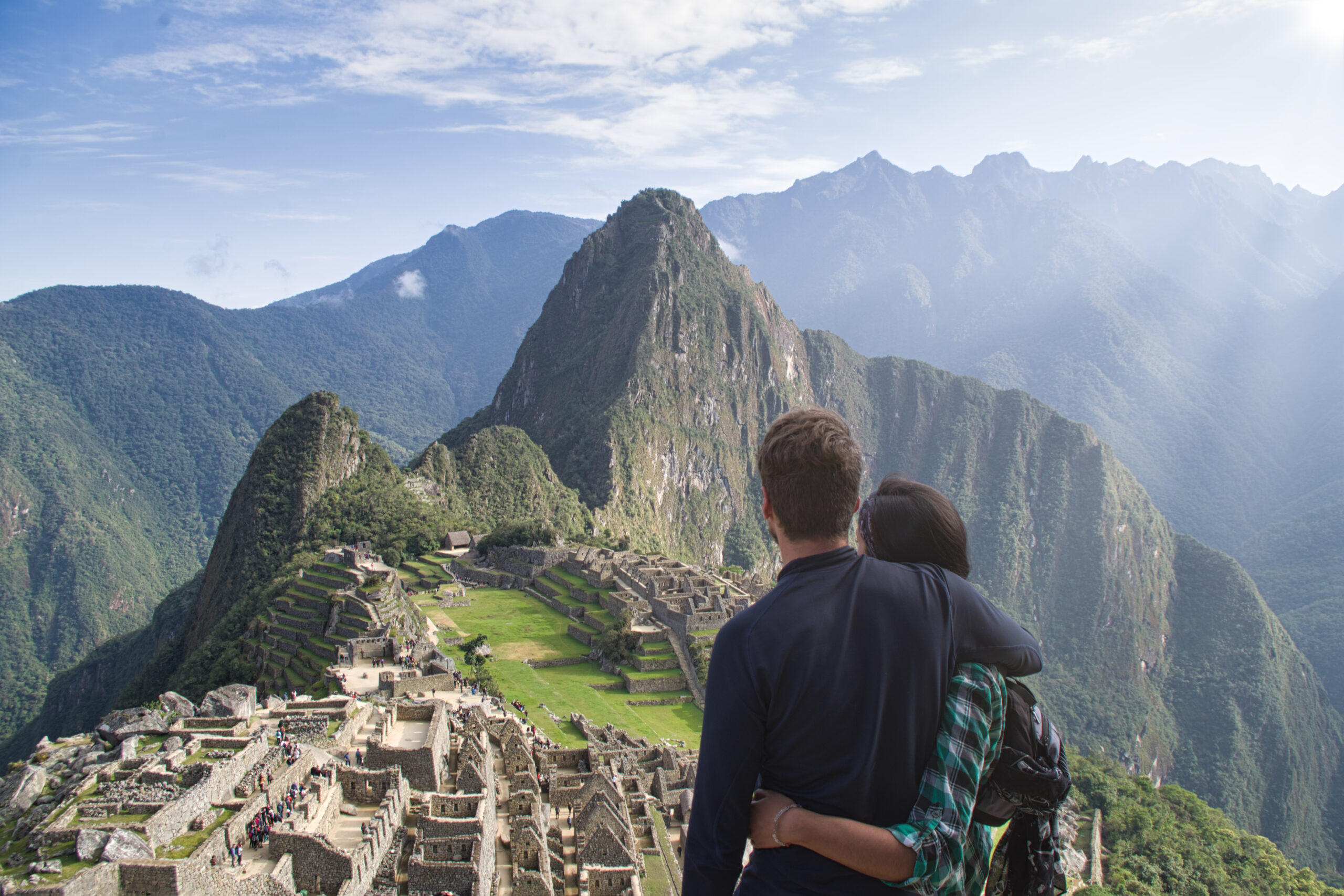
Below is the Tari Tours guide to help you decide which time slot suits your visit to the Inca citadel.
1. Sunrise (6 to 8 a.m.)
This is the slot with the most atmosphere, but also the riskiest in the rainy season.
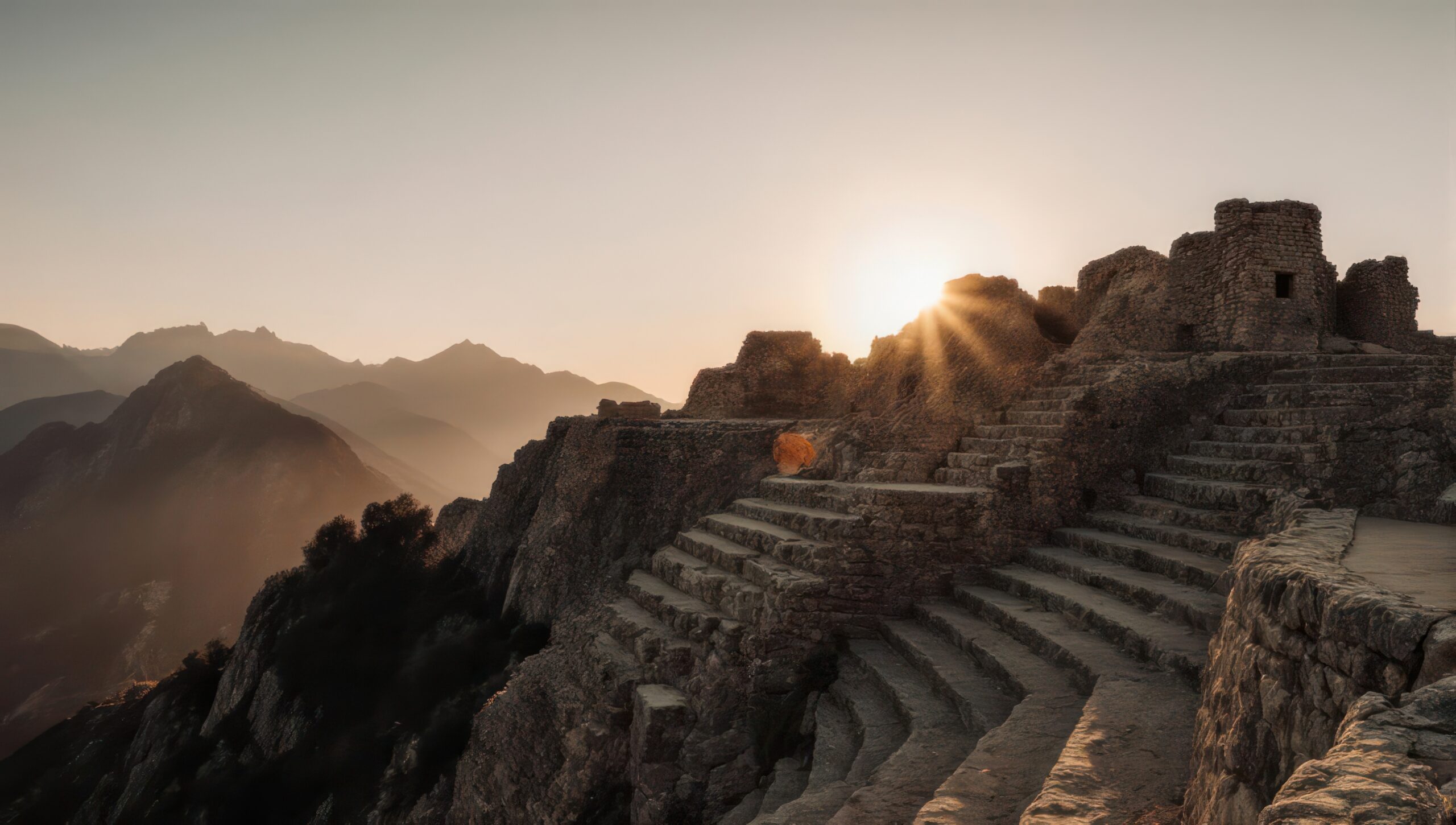
- What it’s like. You’re among the first people inside. The silence is deep, and the sunlight slowly lights up the Andean peaks.
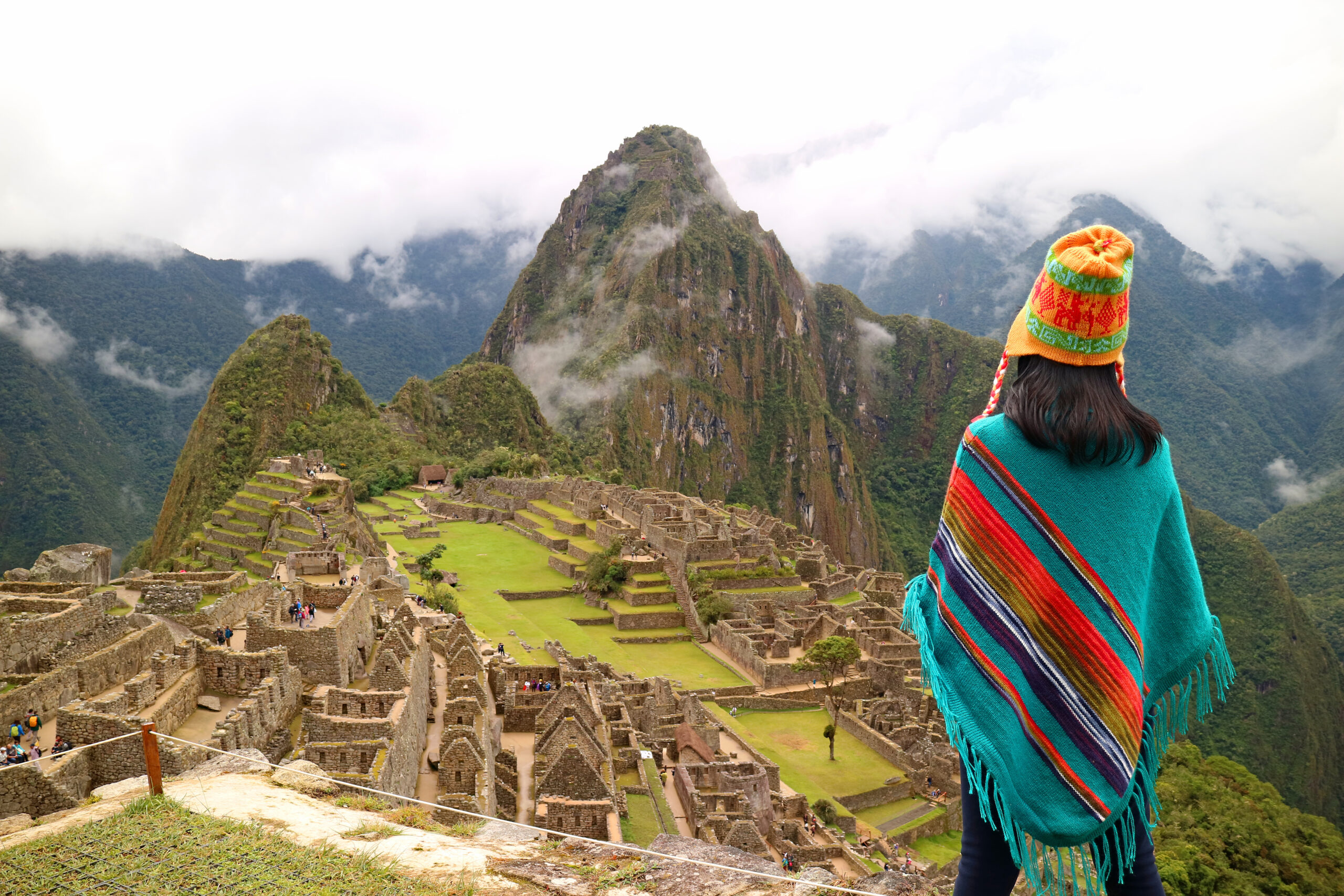
- Risk. In the rainy season (November to March), morning fog is very common. It makes for beautiful photos, but it can take until 9 a.m. to clear and may hide the full view of the citadel.
- Best for. Travelers who value silence, a sense of mystery and the chance to watch the fog lift. You’ll need to sleep in Aguas Calientes and get up before 4:30 a.m. to join the line.
2. Peak hours (9 to 11 a.m.)
This is the most popular slot and the most reliable for good light, but also the most crowded.
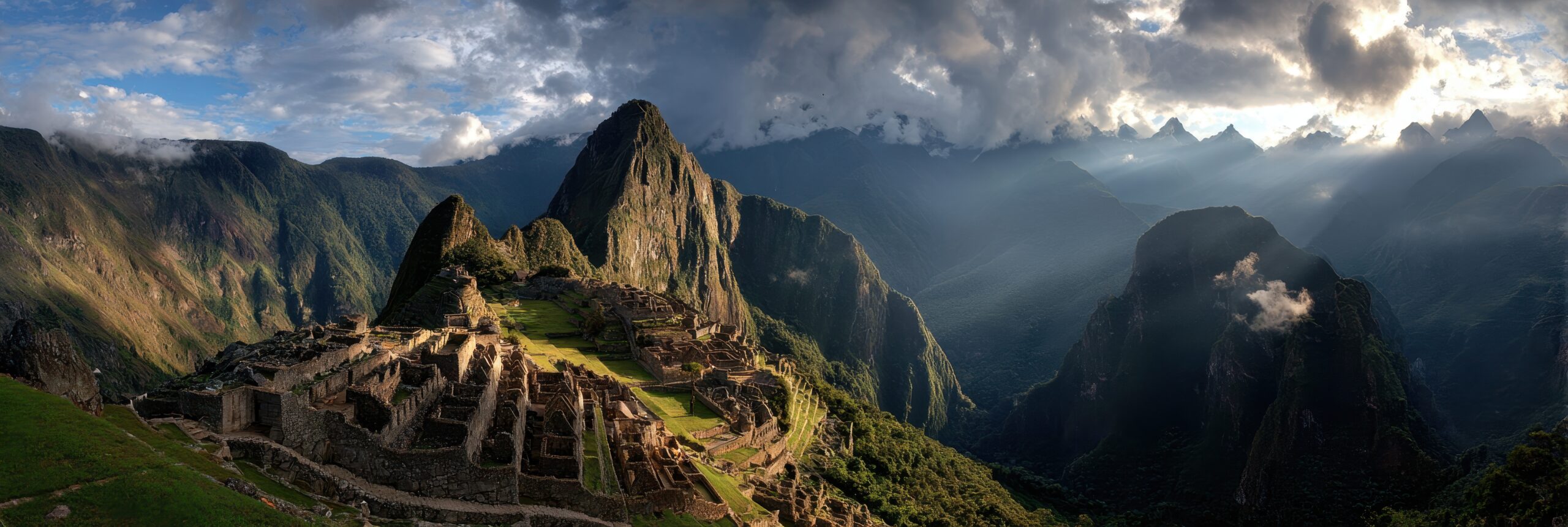
- What it’s like. The fog has almost completely cleared (even in the rainy season) and the sun is high. It’s the best time for photos: the light brings out the color of the stone.
- The reality. It’s the busiest time of day. Travelers who slept in Aguas Calientes and those arriving on the first train from Cusco all meet here. The circuits get more crowded.
- Best for. Travelers who want the blue-sky photo and a full view of the ruins.
3. Midday (11 a.m. to 1 p.m.)
A good balance of light, weather and crowds.
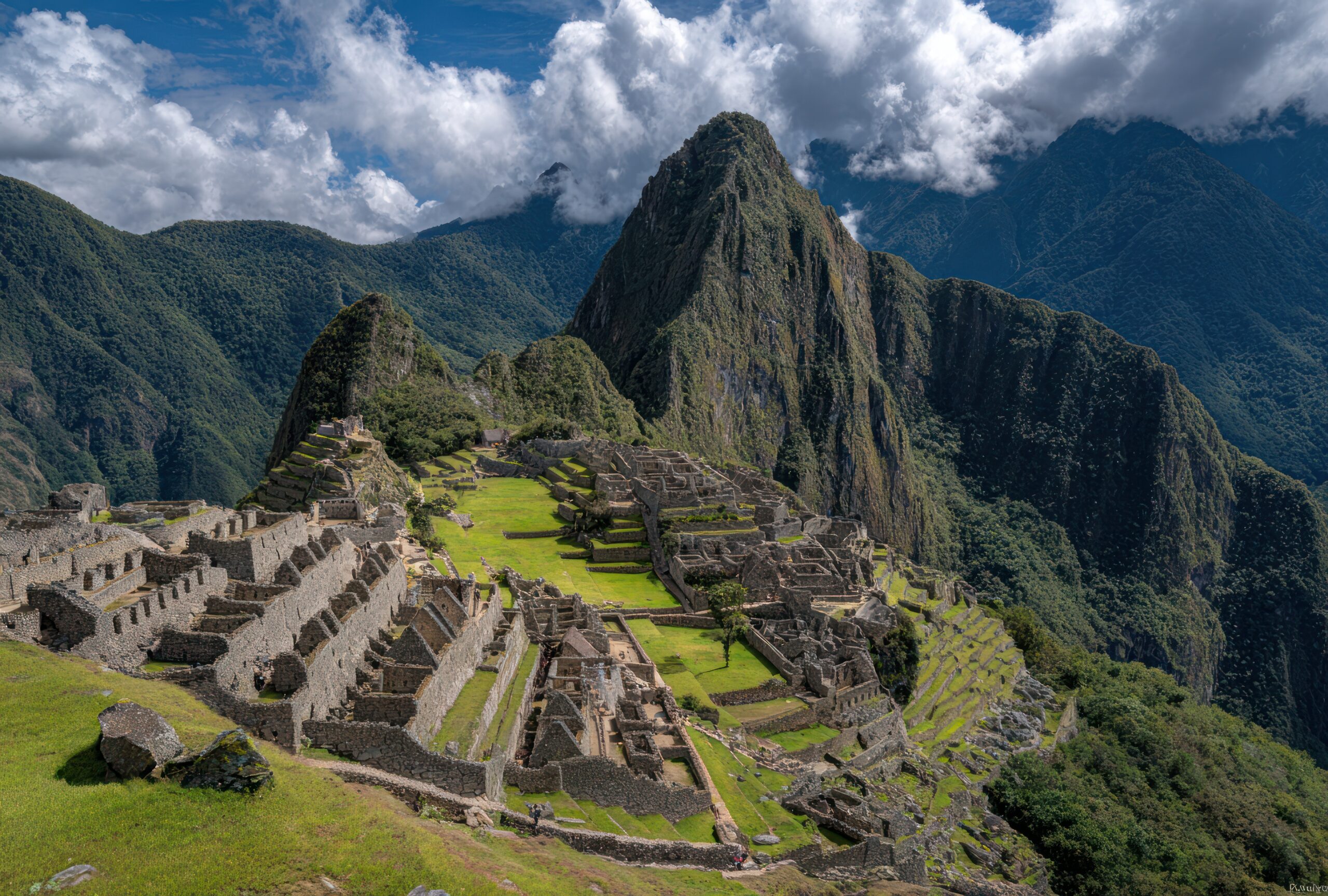
- What it’s like. The morning crowd starts heading down for lunch or to catch the train back. The sun is at its highest, which can feel strong, but visibility is excellent.
- Advantage. Lines for the bus up from Aguas Calientes are much shorter, and moving around the citadel is easier than at peak hours.
- Best for. Travelers who want to avoid the 10 a.m. rush and take the guided tour at a slower pace.
4. Afternoon (from 2 p.m.)
This is the best time if your main goal is to avoid the crowds and take your time.
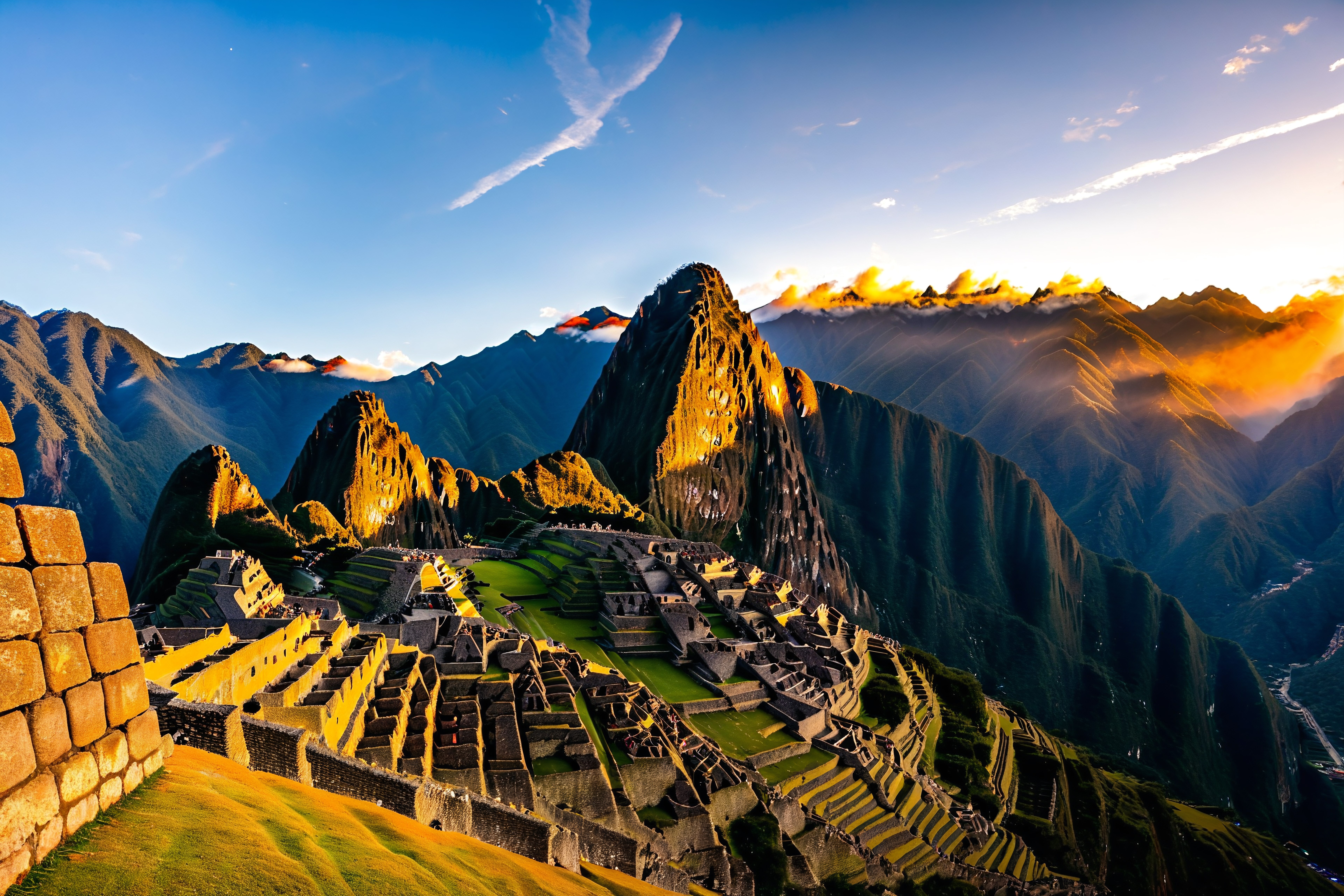
- What it’s like. The crowds have practically disappeared. The light is softer and warmer, great for photos with more dramatic tones.
- Risk. In the rainy season, an afternoon downpour is more likely. But if the day stays dry, you’ll have the citadel almost to yourself.
- Best for. Travelers looking for calm and soft late-afternoon light. You can still get back to Cusco or Ollantaytambo on the last evening trains.
Time slots at a glance
| Time | Pros | Cons |
|---|---|---|
| 6 to 8 a.m. | Unique atmosphere, fewer people. | High risk of fog; you have to get up very early. |
| 9 to 11 a.m. | Best visibility, best light. | Most crowded (peak hours). |
| From 2 p.m. | Few people, warm light for photos. | Higher chance of rain in the wet season. |
Our recommendation
If you’re traveling in the rainy season (November to March), choose the 10 a.m. entry so you can be sure the fog has lifted. In the dry season (April to October), choose sunrise for the best atmosphere.
Whatever time you choose, buy your Machu Picchu ticket in advance.
Want help choosing your time slot?
We’re a local agency in Cusco, registered with MINCETUR since 2003, with English-speaking guides. We help you choose the right time slot for your date and arrange your ticket, train and guide.
- Machu Picchu Full Day, a one-day tour from Cusco
- Machu Picchu and the Sacred Valley in 2 days