

The scale of the Inca Empire is plain to see in its fortresses and temples, but a key part of its engineering and its mysteries lies hidden underground. The Incas mastered the subsoil: they carved tunnels, burial chambers and water systems that still surprise archaeologists today.
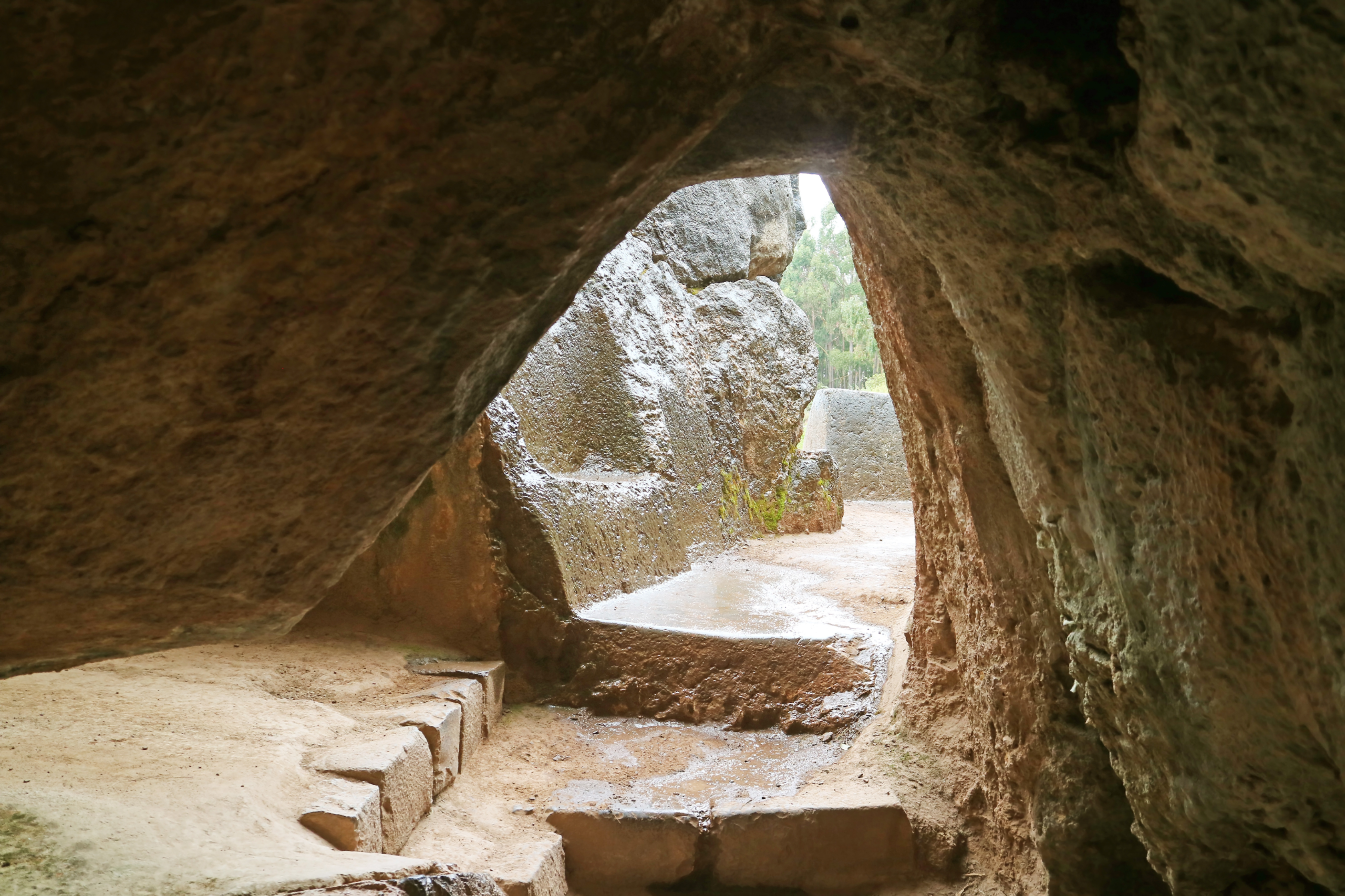
If you want to learn the secrets of the Uku Pacha (the world below, in the Andean worldview), these are the key places to explore underground Cusco.
1. Qenqo: the labyrinth rock and its chambers
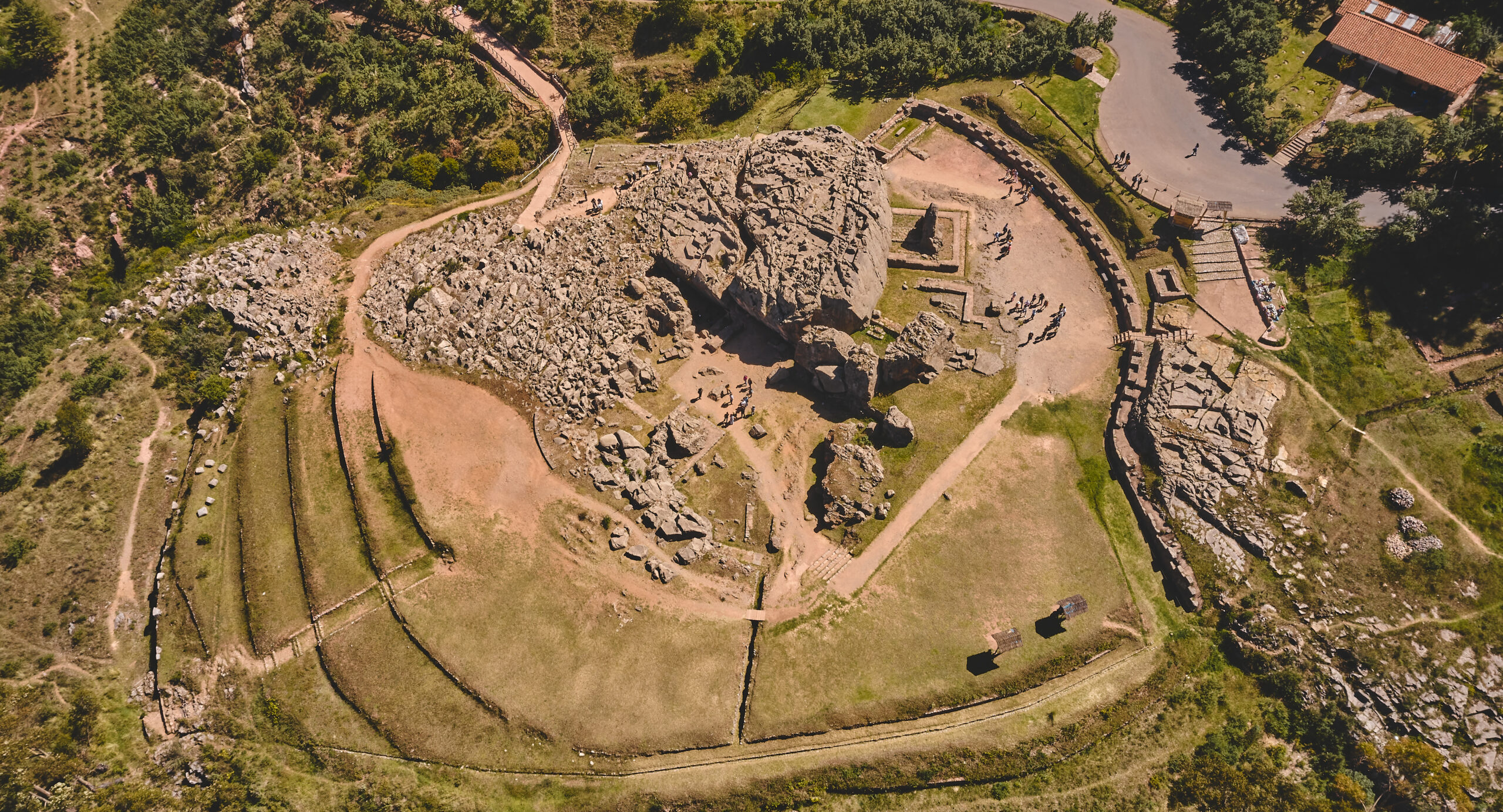
Qenqo (or Kenko), near Sacsayhuamán, is one of the most enigmatic sites on the Cusco City Tour. Its main purpose was ceremonial, and much of the mystery lies below the surface.
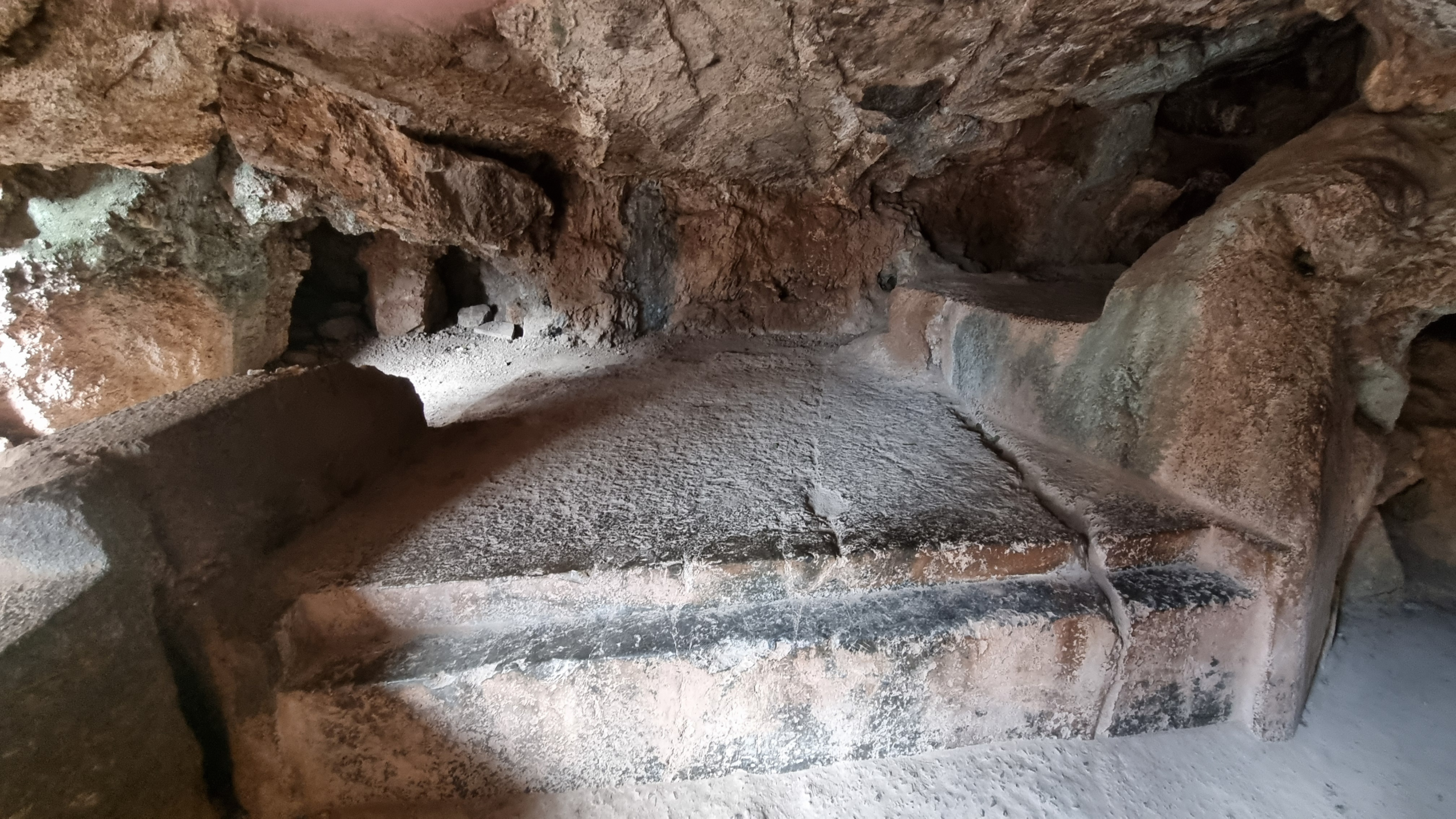
- The tunnel and the sacrificial table. The site is dominated by a huge limestone rock. Beneath it, a small labyrinth-like tunnel leads to a chamber carved into the bedrock. This concave table is believed to have been used for rituals, mummification or sacrificial ceremonies.
- The dark chamber. Stepping into this unlit space brings you straight into Inca mysticism and the world of the ancestors.
- How to visit. It’s the most accessible Inca cave, because it’s a regular stop on the Cusco City Tour.
2. Chinchero: burial chambers and caves
The town of Chinchero, famous for its market and weaving tradition, is also an archaeological treasure, with lesser-known underground structures.
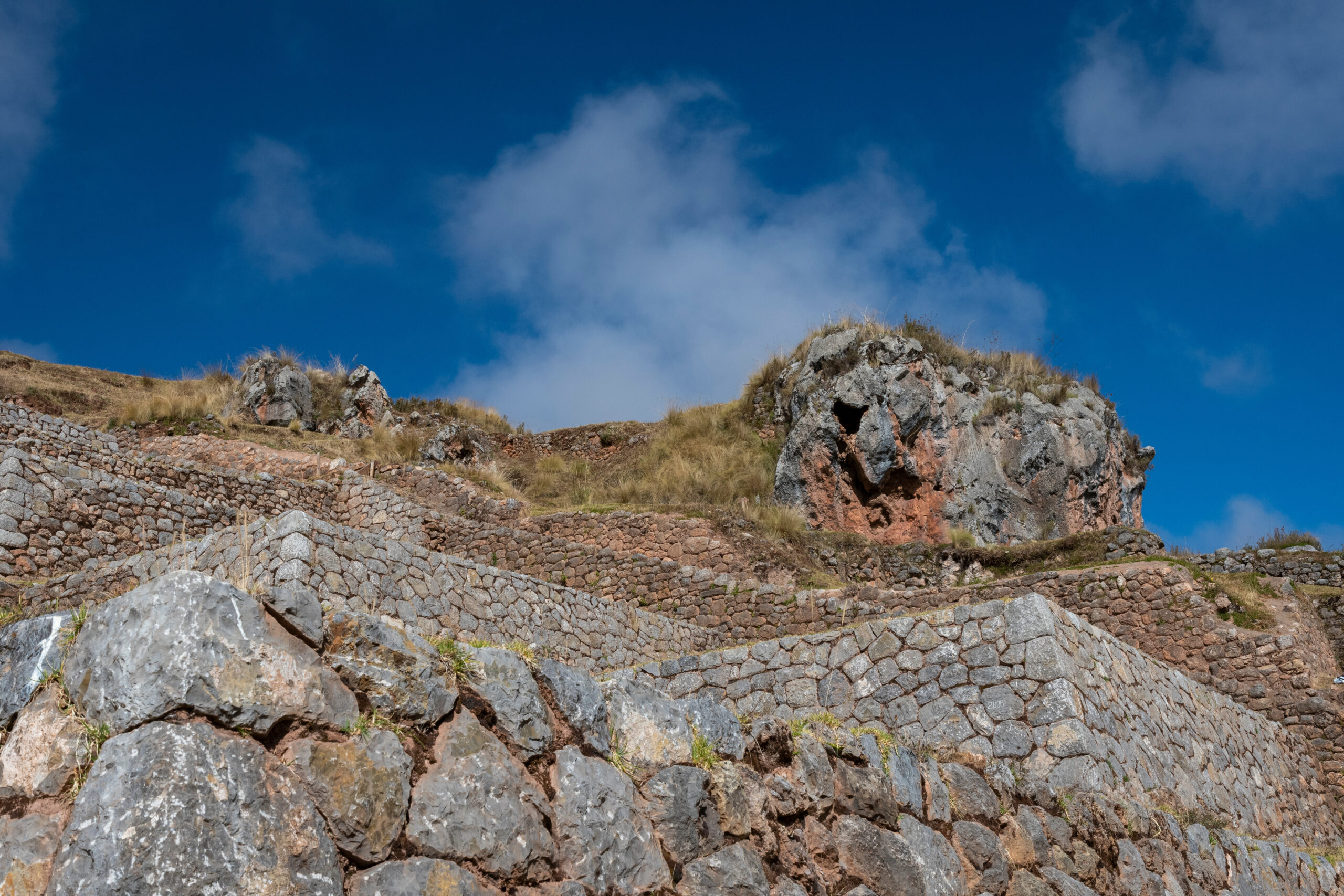
- The niches. At the base of the archaeological complex there are niches and small caves that local tradition identifies as storehouses or, more likely, burial chambers.
- The presence of water. The Incas often linked underground places with purification and water. The largest cave in Chinchero is directly tied to the hydraulic systems and springs of the area.
- The mystery. Many of these caves and underground passages have not been fully explored, which keeps the secret of the Uku Pacha alive.
3. The chinkanas, the great labyrinth
The Quechua word chinkana means “labyrinth” or “place where you get lost.” These are the most legendary underground structures in Cusco.
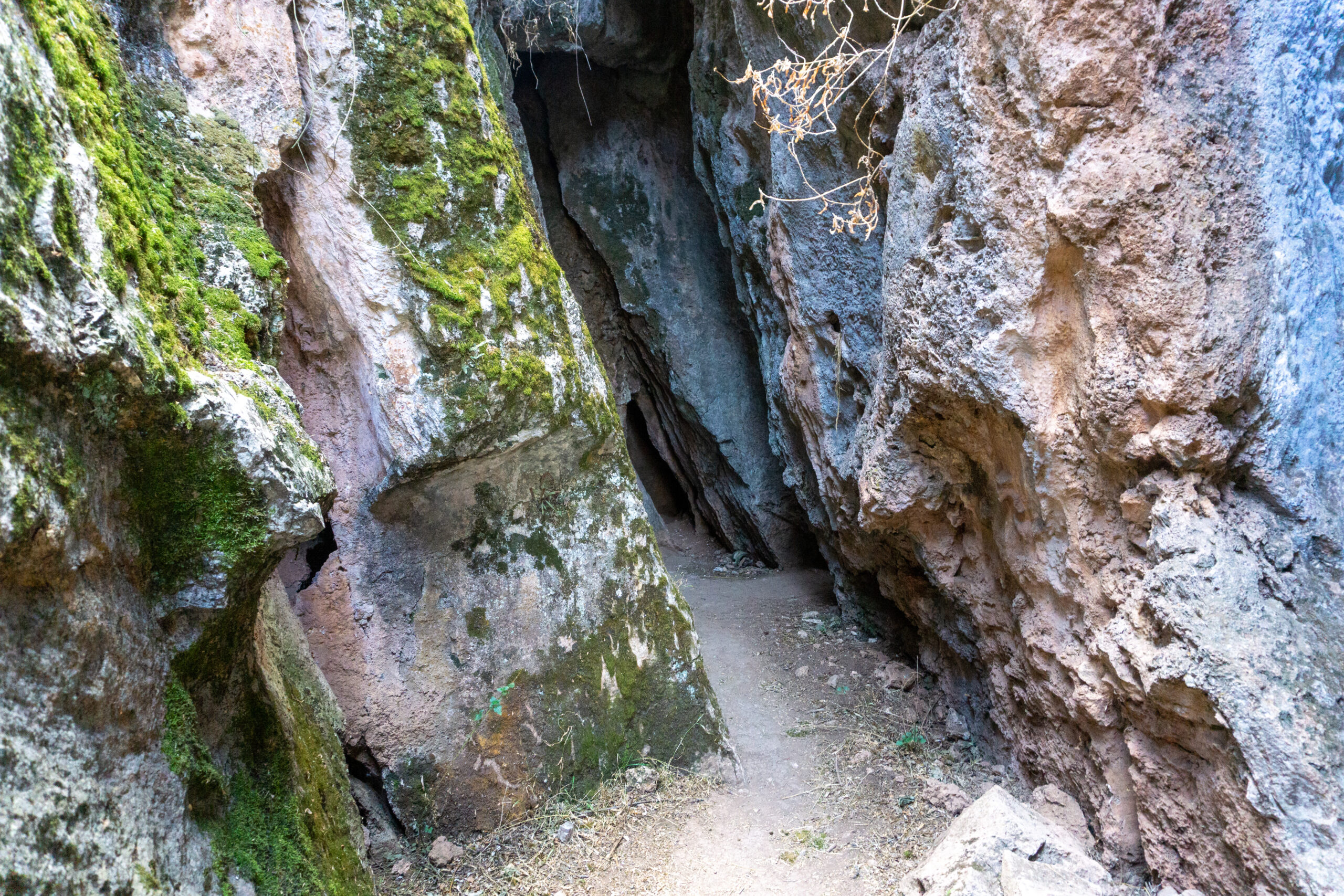
- The legend of the Great Chinkana. The most famous legend tells of a vast network of tunnels linking Cusco directly to Machu Picchu and even to the Qorikancha temple. It’s said that the last Inca used these tunnels to escape before the Spanish Conquest.
- The chinkana at Sacsayhuamán. Near the fortress there is a small chinkana (the Small Chinkana) that is safe and accessible. The Great Chinkana is closed because of cave-ins and because it has been impossible to map.
- The mysticism. These labyrinths represent the link between the visible world and the world of the dead and the spirits, a central idea in the Andean worldview.
Only the Small Chinkana can be visited. The Great Chinkana, the one from the legend of tunnels to Machu Picchu, is closed because of the risk of collapse.
A journey to the world below
Exploring the Inca underworld is a way to go beyond the temples everyone sees and get closer to the best-kept secrets of Inca engineering and faith.
Want to see Qenqo and the chinkanas up close?
We’re a local agency in Cusco, registered with MINCETUR since 2003, with English-speaking guides. On the Cusco City Tour or the Sacred Valley tour, ask your guide about the mysteries of the chinkanas and the Inca caves.