
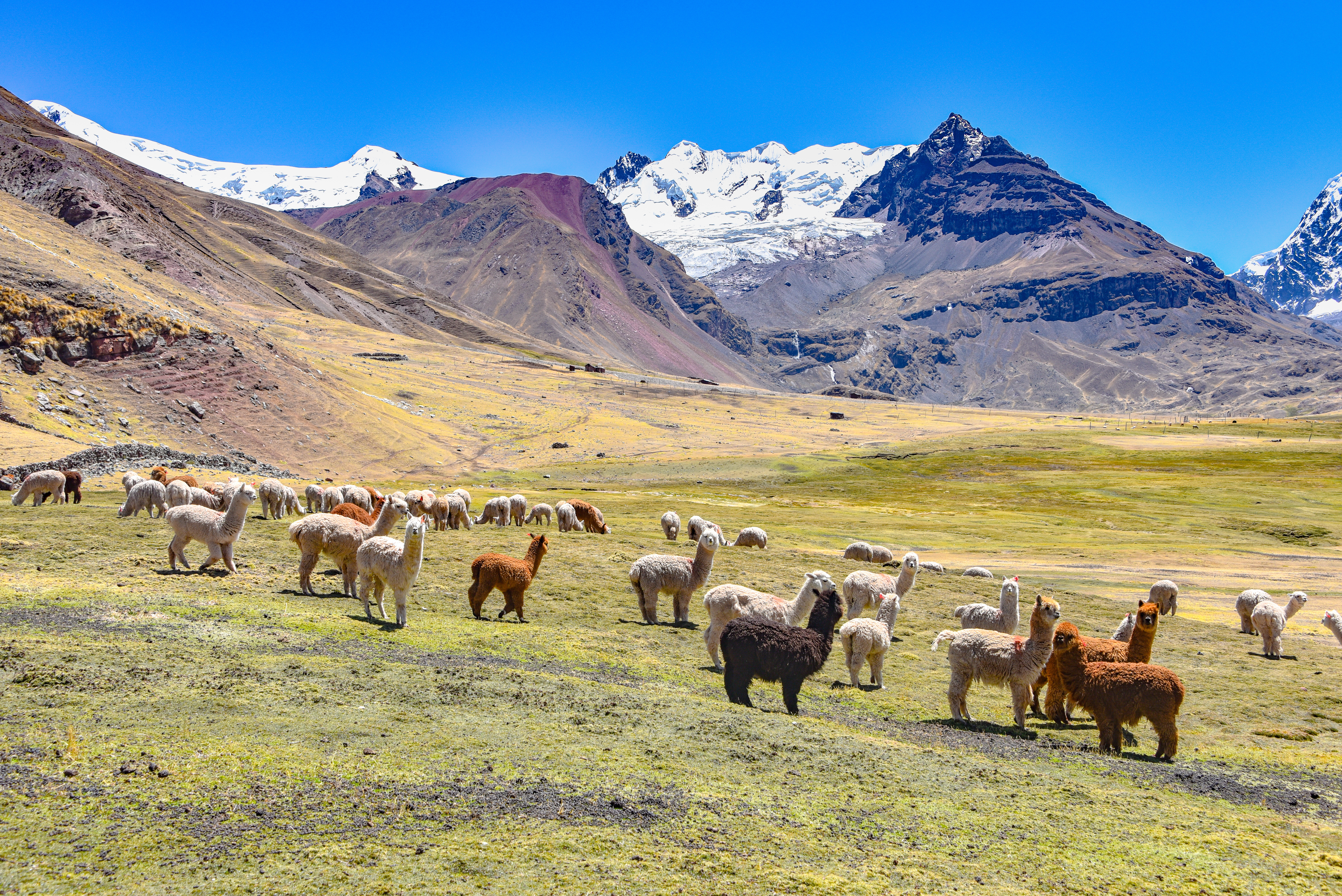
On your trip to Cusco, Puno or Arequipa, you’ll come across these camelids in almost every landscape. Many people call them all “llamas”, but each one has a completely different role, personality and wool.
This is the Tari Tours guide to knowing exactly which animal you’re photographing.
1. Llama (Lama glama): the pack animal of the Andes
The llama is the largest and best-known animal in the Andes.
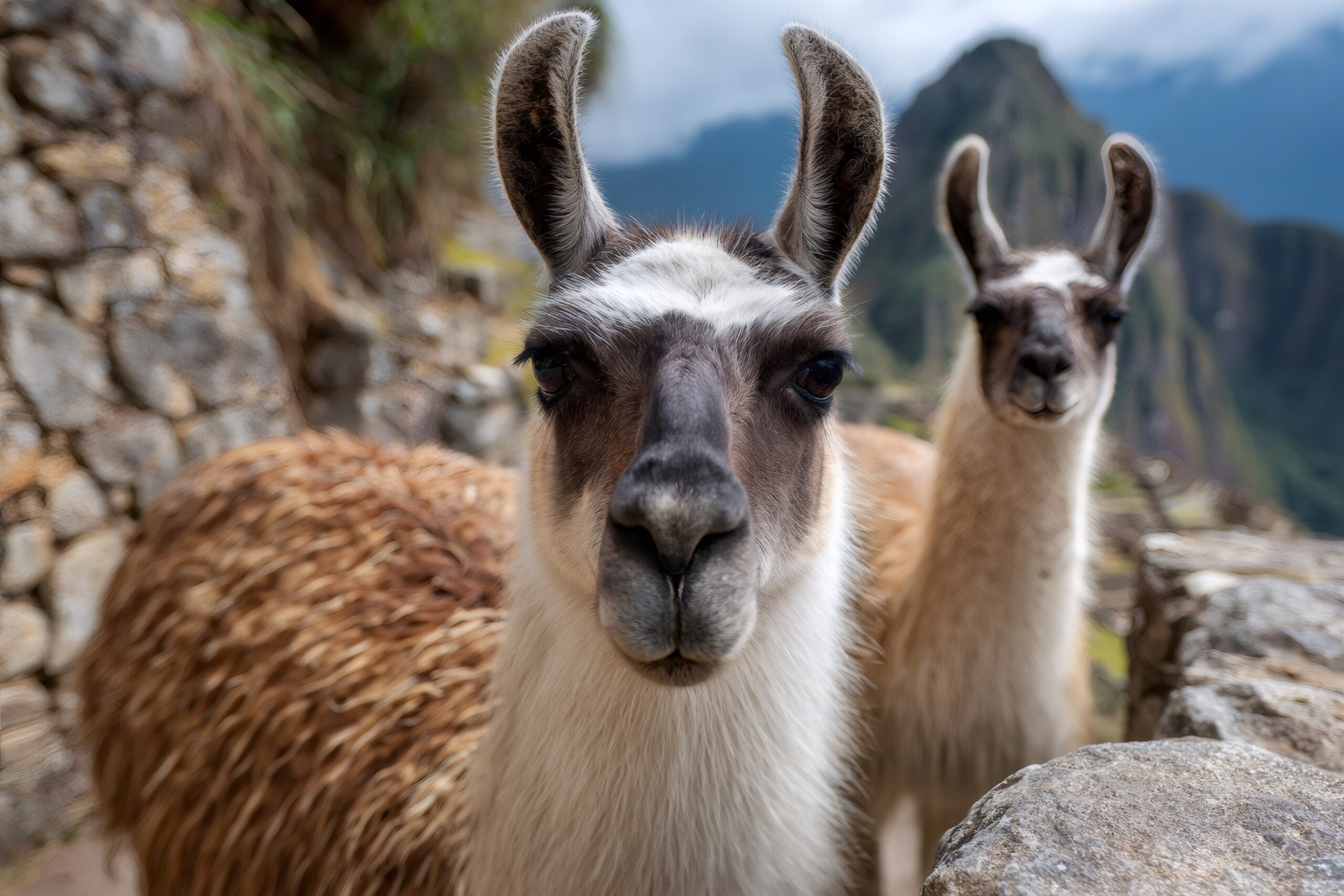
- How to recognize it. It’s big and tall, with long, curved ears (“banana”-shaped), and its coat is coarse and less even.
- Historical role. It was the main pack animal of the Inca Empire. It’s the “truck” of the Andes.
- Temperament. It’s the most sociable with people (and the one that will spit at you if bothered, though that’s rare!).
2. Alpaca (Vicugna pacos): the wool machine
The alpaca is the most valuable animal economically, thanks to its wool.
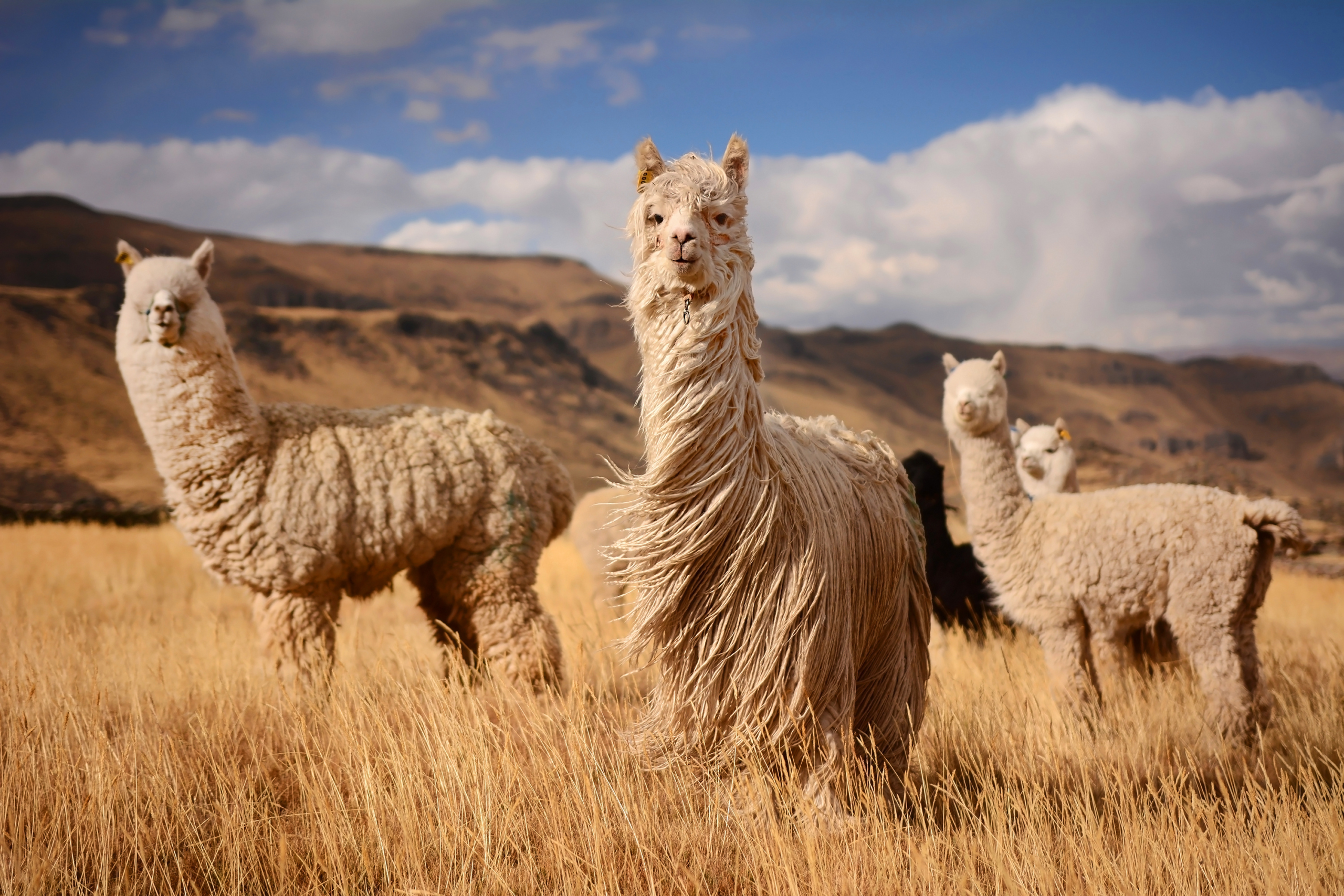
- How to recognize it. It’s smaller, with short, pointed ears, and its body is covered in thick, even wool that looks like a “giant sweater”.
- Economic role. It produces the softest, warmest wool after the vicuña. There are two main breeds: huacaya (fluffy) and suri (with long, silky hair).
- Temperament. It’s shyer than the llama and usually grazes in large herds.
3. Vicuña (Vicugna vicugna): wild royalty
The vicuña is the finest, wildest and most protected camelid in the world.
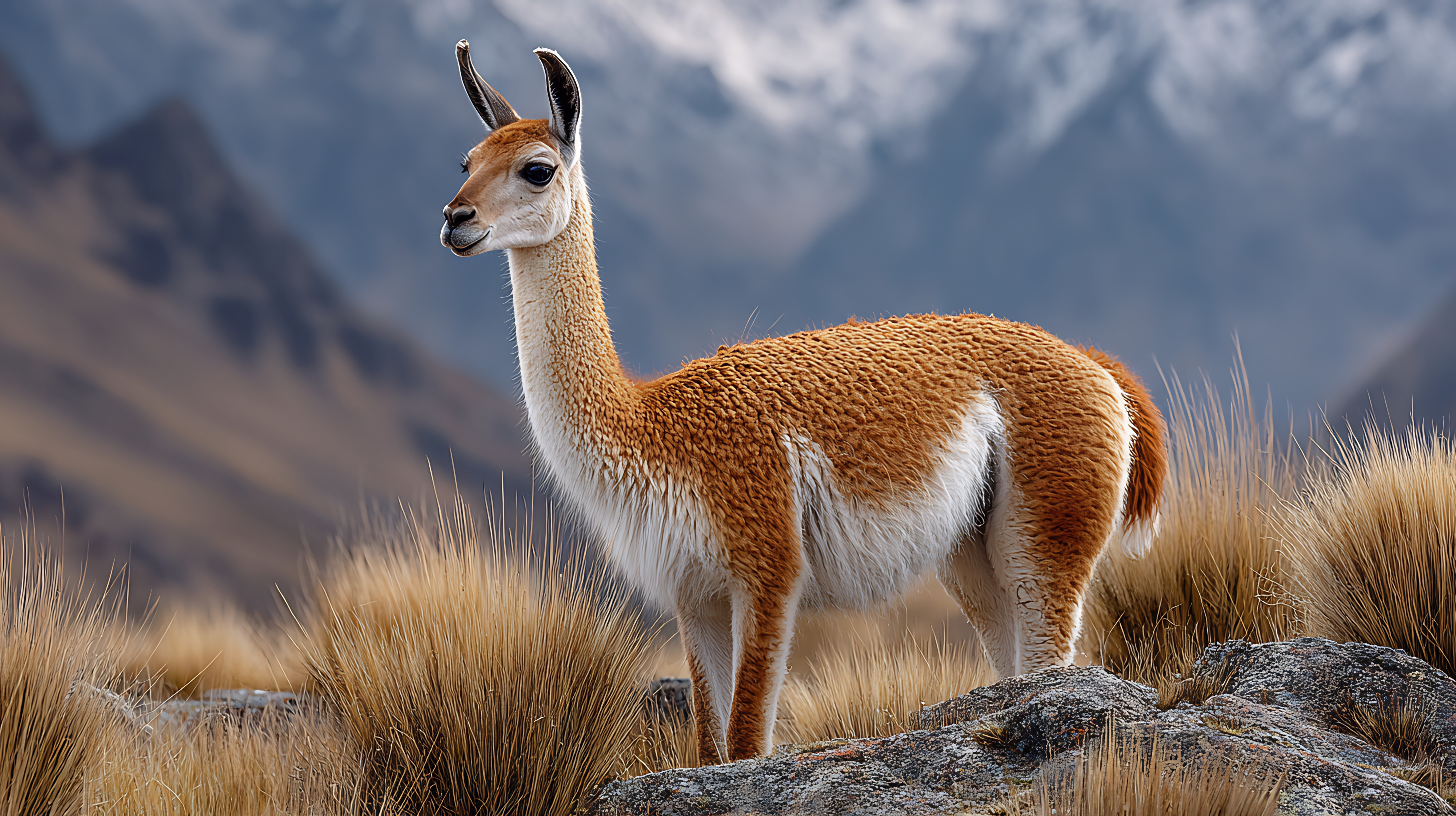
- How to recognize it. It’s the smallest, slimmest and most elegant. Its coat is light beige, white on the chest, and its neck is long and graceful.
- Historical role. Its wool was reserved for Inca royalty. Today, hunting it is prohibited.
- The treasure. It produces the finest, softest and most expensive wool in the world (the price can reach thousands of dollars per kilo).
- Where to see it. It only lives in the wild in high mountain nature reserves, such as the Salinas and Aguada Blanca National Reserve (on the Arequipa–Colca route).
Summary for the perfect photo
| Animal | How to recognize it |
|---|---|
| Llama | Tall, with curved ears |
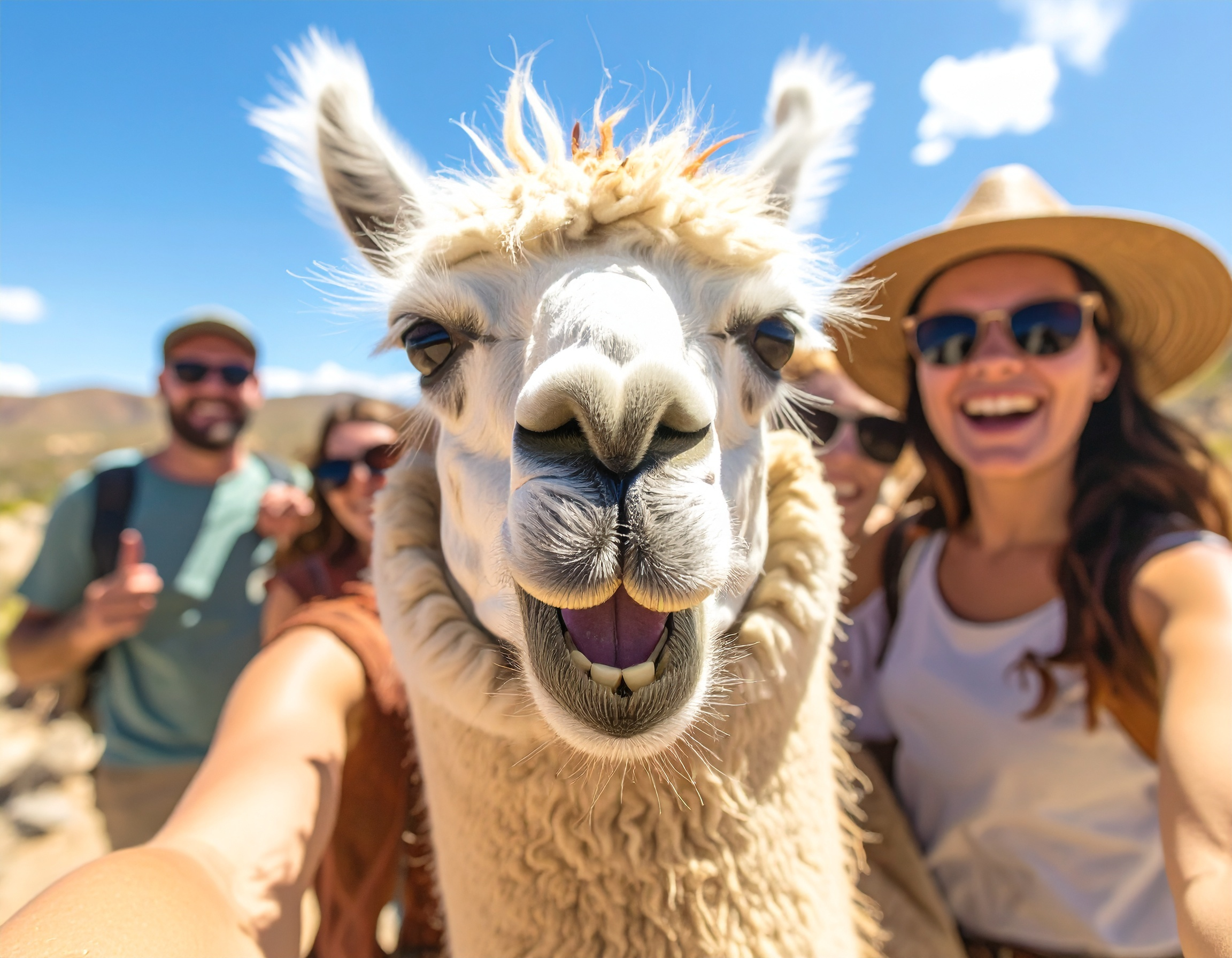
| Alpaca | Looks like a fluffy cloud and has short ears |
| Vicuña | Small, slim and running free across the high plateau |
Seeing these camelids is one of the joys of the trip. Look for vicuñas on the Colca Canyon tour and alpacas in the Sacred Valley.
Want to see llamas, alpacas and vicuñas?
We’re a local agency in Cusco, registered with MINCETUR since 2003, with English-speaking guides. We build your itinerary around the best routes for seeing Andean wildlife, from the Sacred Valley to the Colca Canyon.